Editor’s Note: This post is written by a member of LTV’s sponsored content team, The Leisure Explorers. Do you own a Leisure Travel Van and enjoy writing? Learn more about joining the team.
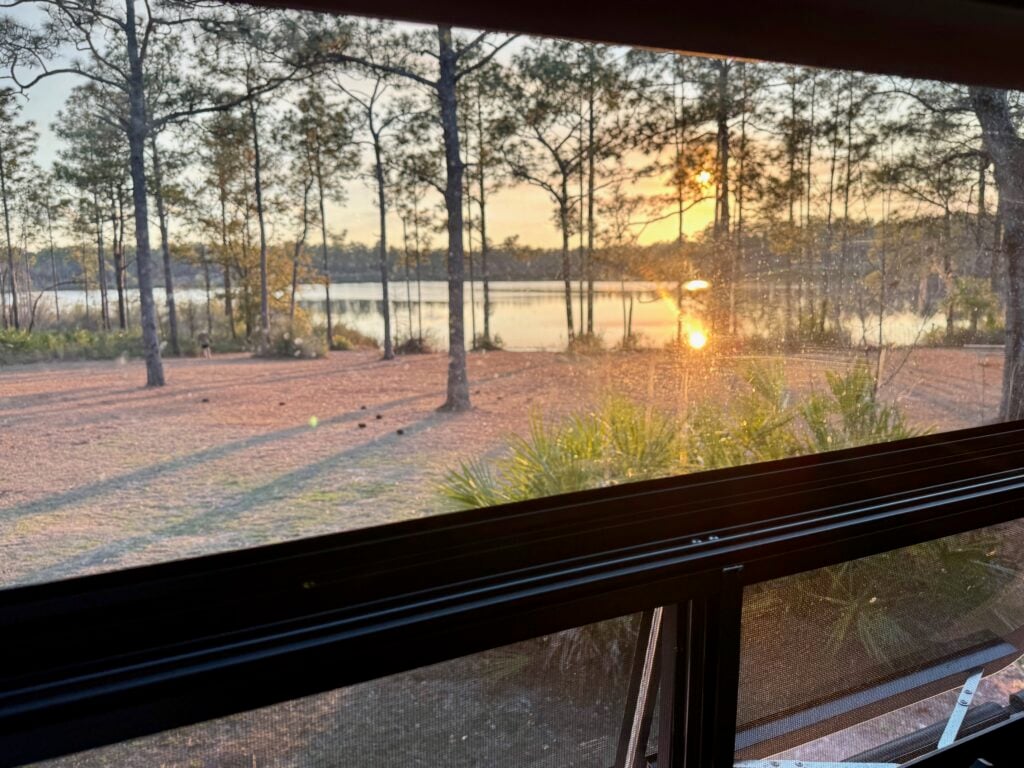
We spent most of this past winter working our way through Florida’s state parks and county parks. Along the way, we made our annual fishing trip down to the Keys with some buddies. Somewhere in the middle of all that, we found ourselves getting pulled toward Cape Canaveral and started catching SpaceX launches whenever we could. One thing led to another, and on April 1, we were standing outside watching Artemis II lift off—nothing could have prepared us for that.
Let me back up.
Manatee Hammock: The Best Seat in the House
If you’re planning a trip around a rocket launch, there is one campground you need to know about: Manatee Hammock Campground. It’s run by Brevard County, and you book it through their website. It sits directly across the water from the launch complexes at Kennedy Space Center. I’m not exaggerating when I say the view is unreal. You’re standing on the shoreline looking straight across the bay at the launch pads.
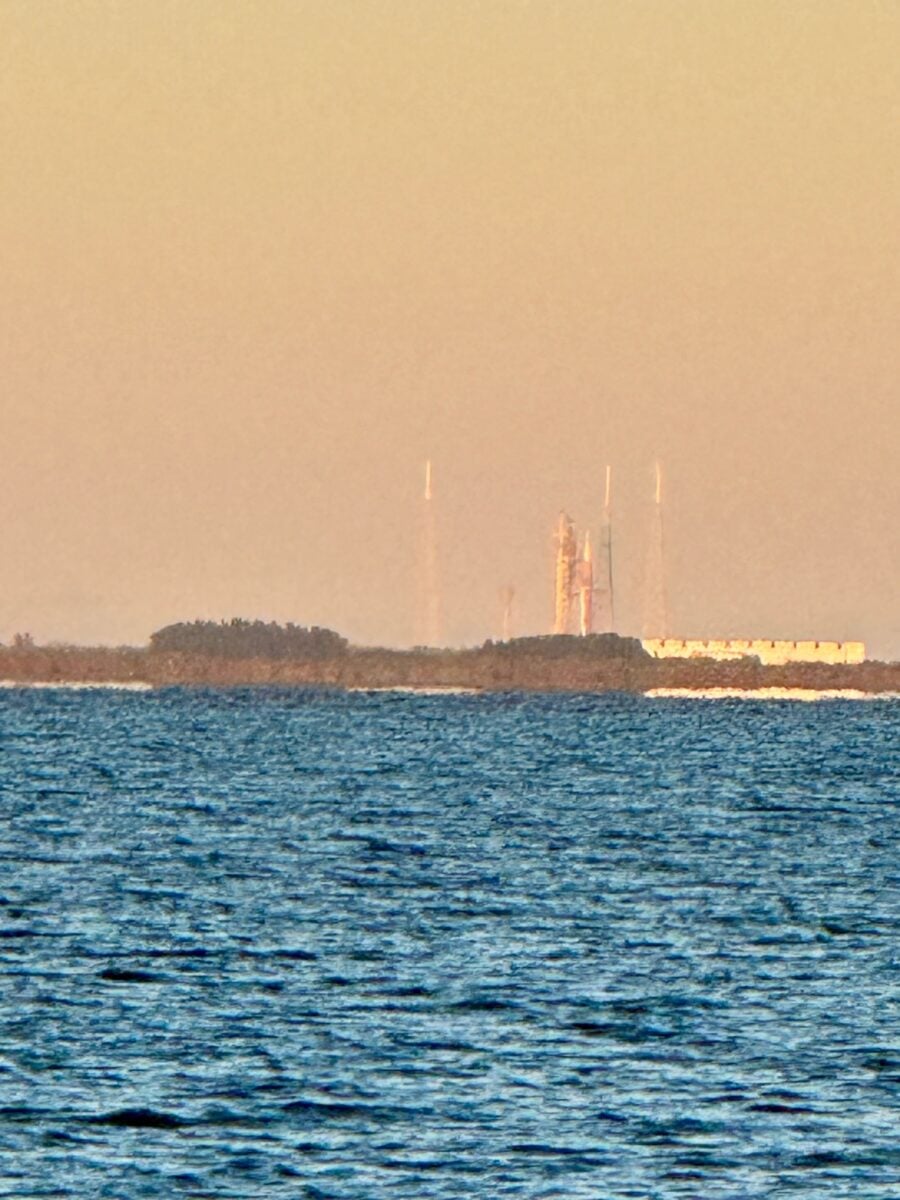
The campground itself is solid. It has full hookup RV sites, tent camping, a pool, a couple of bathhouses, and one of the best dog parks we’ve found. It sits right on the waterfront—Kona approved. Some sites are a little close together, but the location makes up for it. The waterfront area is the real gem. There’s a long fishing pier where manatees regularly cruise by, plenty of benches, and a view that makes it hard to beat.
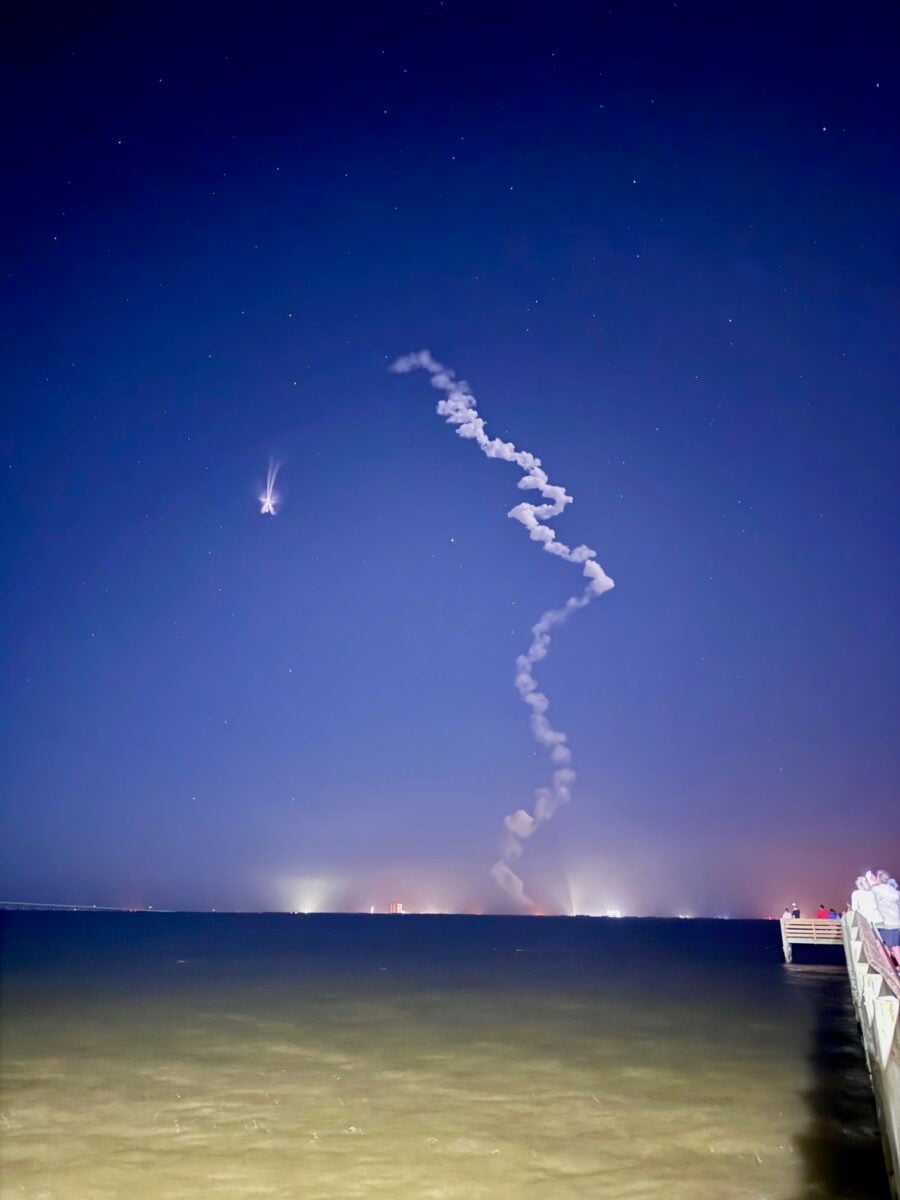
The reason I love watching launches from here is pure simplicity. I set my alarm for a 1:45 am launch one night, rolled out of bed, walked maybe 300 feet to the water, and watched a rocket climb into the sky. No driving, no crowds, no scrambling. There’s also something about a night launch that a daytime one just can’t match. You see the actual ignition. You see the flames exploding out from the base before it even starts to move. During the day, that part gets washed out. At night, it’s vibrant and bright and absolutely spectacular.
Manatee Hammock is the closest public campground to the pads outside of Kennedy itself. If a launch is on your bucket list, this is where you want to be.
Build in Flexibility—Launches Don’t Care About Your Plans
Here’s the thing nobody tells you when you start planning a launch trip: nothing goes exactly as scheduled. Almost every SpaceX launch we watched had some kind of delay. Sometimes it was just a few minutes. Sometimes a few hours. A couple of times, it was a full day or more. Weather, final systems checks, range conflicts—something always has the potential to push things back at the last minute.
We originally had reservations at Manatee Hammock in early March, when Artemis II was first scheduled, but it was delayed. If you’re building a trip around a specific launch, be flexible and plan for delays. The SpaceX launch delays are much shorter than the Artemis launch—hours and days, not weeks.
One tool that genuinely helped us stay on top of everything was the Space Launch Schedule app. It tracks launch dates and times for missions worldwide. You can use it to find launches in Florida, California, and Virginia. It updates in real time as delays get announced. There’s also a compass feature that tells you exactly which direction to look from wherever you’re standing. It shows you the launch trajectory and where the rocket will be visible.
I was in Silver Springs State Park once, clear on the other side of the state, and the app told me exactly where to look. I caught a beautiful evening launch from my campsite. You don’t have to be at Cape Canaveral to see these things.
Sebastian Inlet: The Backup Plan That Became a Favorite
When the new Artemis II launch date was finally confirmed, we were down in the Keys on our annual fishing trip. The moment I tried to book Manatee Hammock, it was completely sold out. Not a single site is available. So we pivoted.
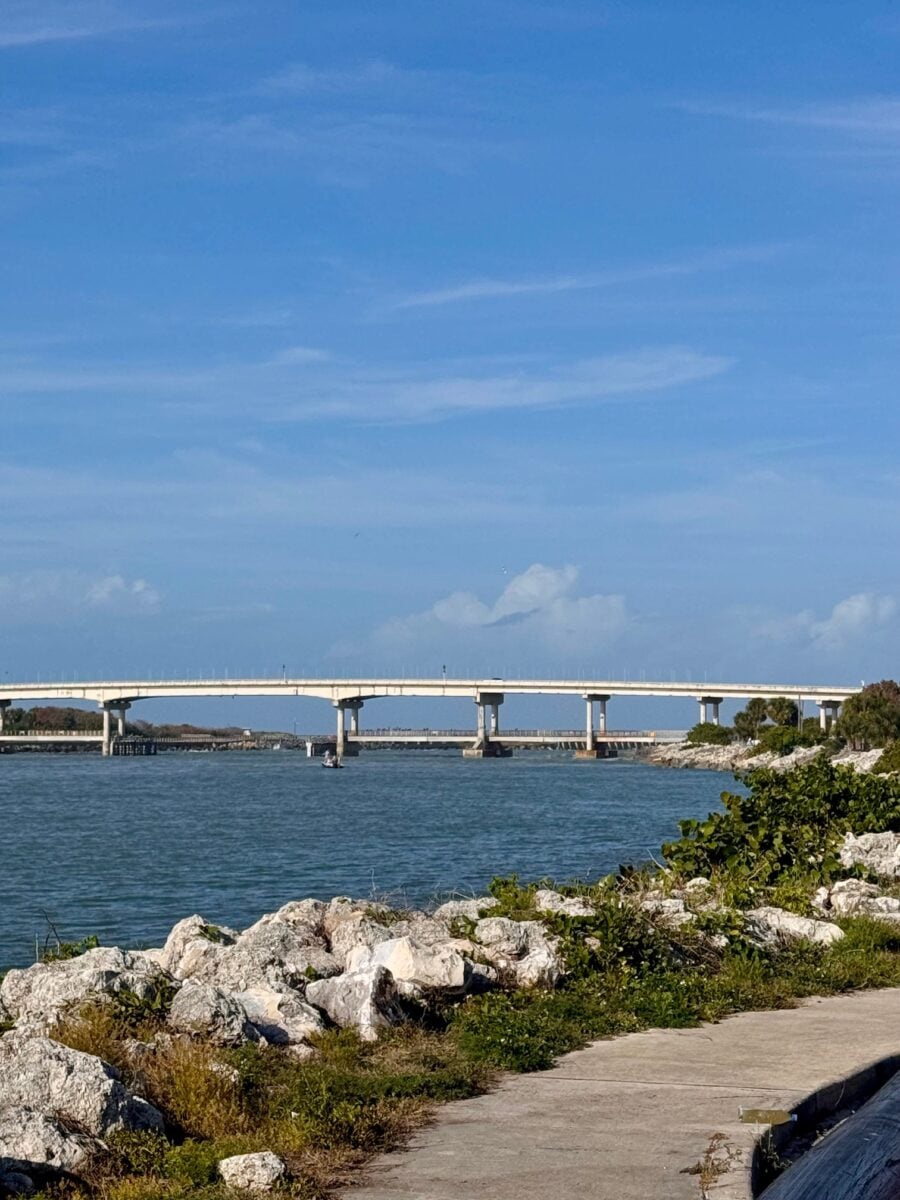
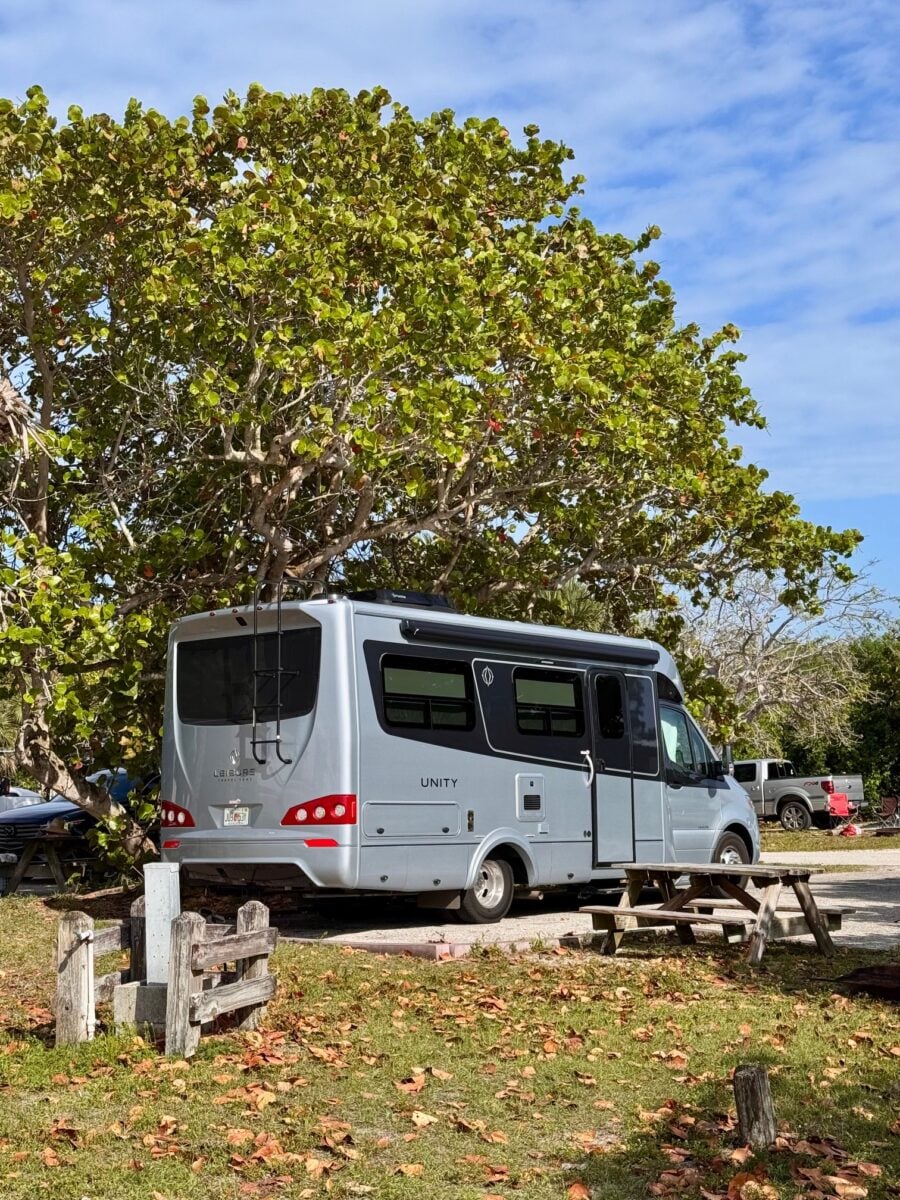
We ended up at Sebastian Inlet State Park in Melbourne, about 40 miles south of the launch site. I’m genuinely glad the other place was full.
Sebastian Inlet is a smaller park with 51 sites. Every site has water and electric hookups, and they’re spaced far enough apart that you actually feel like you have some privacy. There’s a dump station, two bathhouses, a coin laundry, a small pier, shoreline access, and a boat launch. The park stretches along the inlet on both sides. The fishing is consistently good. People were out on the shore and in the water pretty much around the clock, the entire time we were there.
For Kona, it was paradise. There’s a small sandy beach near the docks where she could swim. Morning and evening swims became our daily ritual. She was absolutely in her element.
If you’re a birder, pencil this park in now. We woke up one morning to a pair of Red-bellied Woodpeckers in the tree right over our site. The waterfront draws an incredible variety of species. Over 180 different birds have been recorded in and around the bay over the course of a year. We also spotted dolphins on nearly every walk we took along the shore.
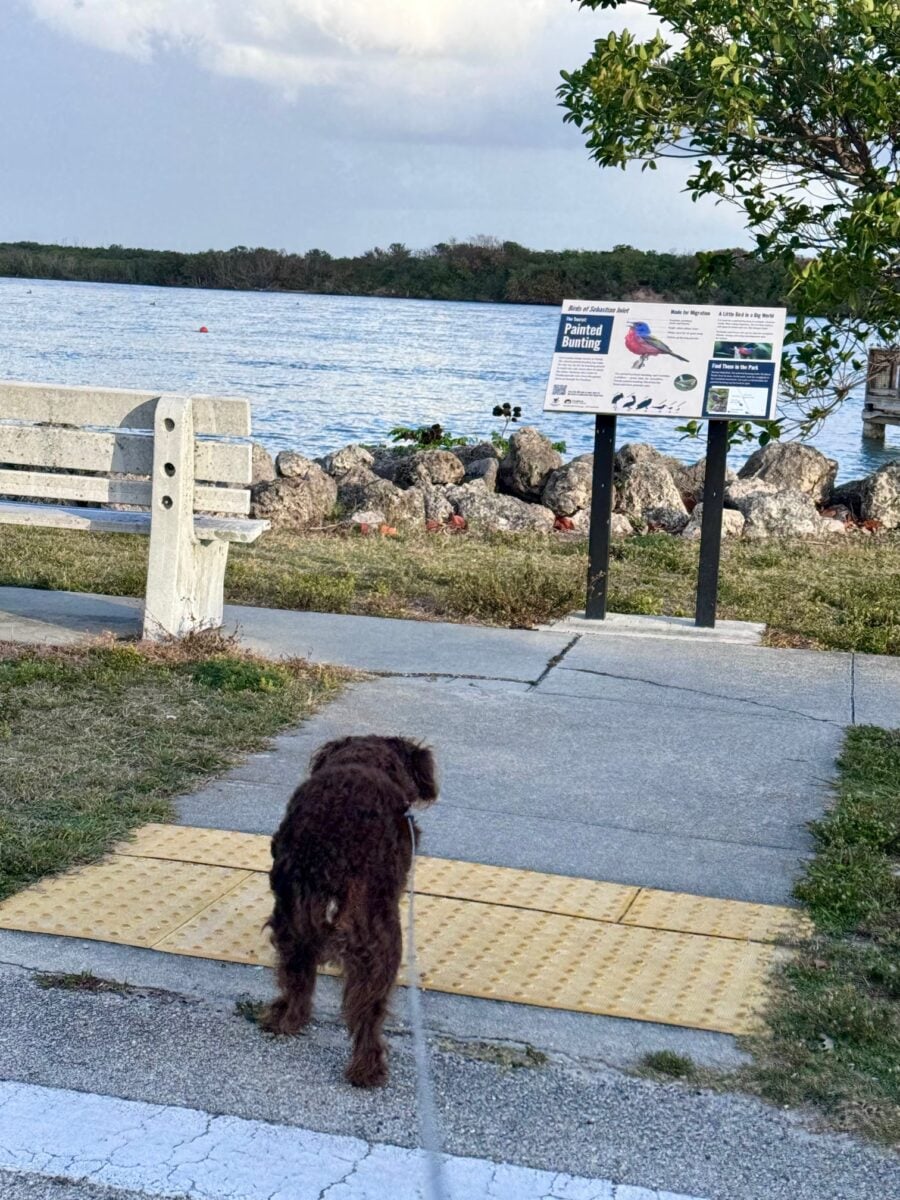
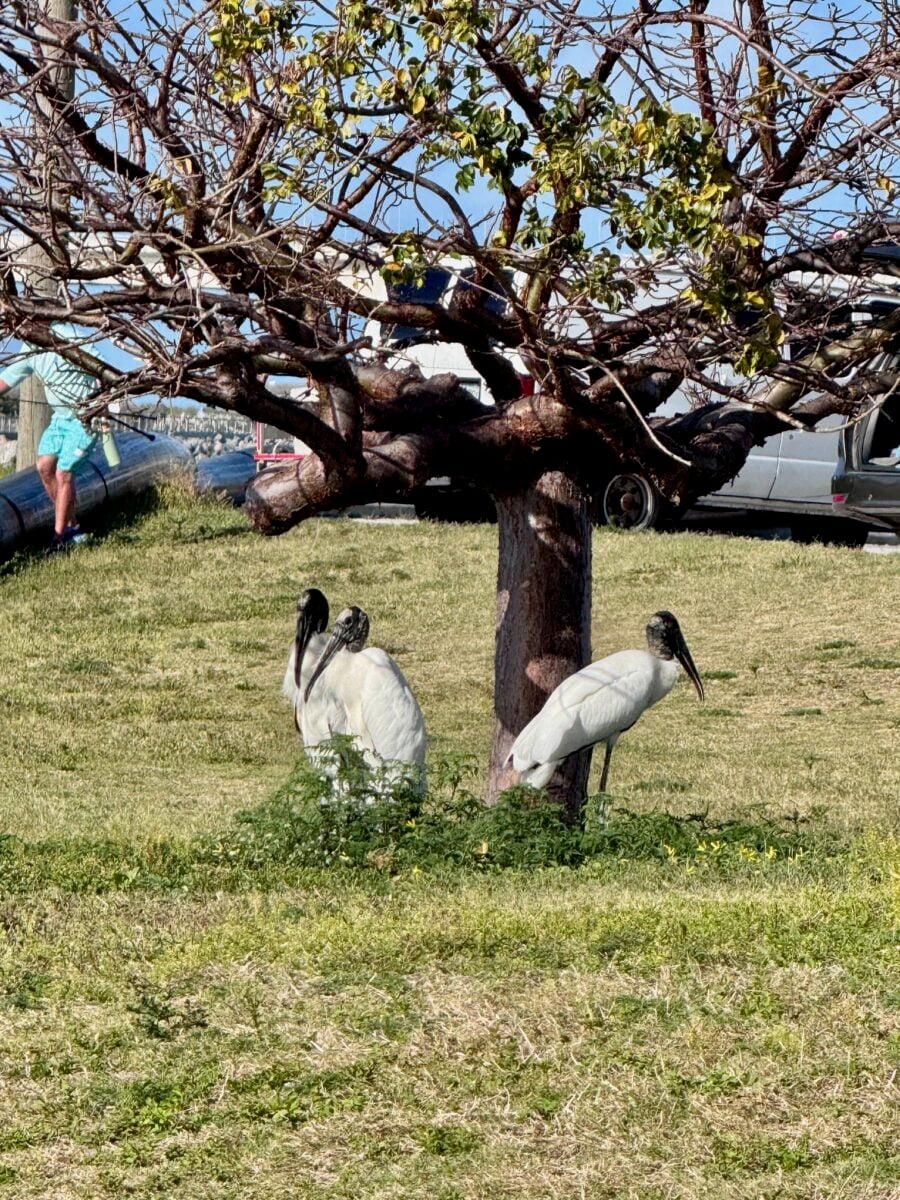
Across the bridge from the campground, but still in the park, there’s a wide sandy beach with a protected swimming area. Most people drive over rather than walk, but it’s worth the short trip. Sebastian Inlet State Park doesn’t always get the attention it deserves, but it absolutely should be on your list of places to visit in Florida.
One more thing worth mentioning if you’re in the area: stop at the McLarty Treasure Museum. In 1715, eleven Spanish merchant ships went down in a hurricane. Survivors made camp at the site of what is now the museum while they tried to salvage what they could. The museum has some of the actual gold and silver recovered from the wreck. It’s a quick stop and a fascinating piece of history.
Artemis II: Nothing Prepares You for It
I’ll be honest, I almost missed it. I didn’t realize there had been another delay, and I thought the launch window had already passed. I was texting my nephew, who was watching the live feed on TV, when he told me it hadn’t gone yet.
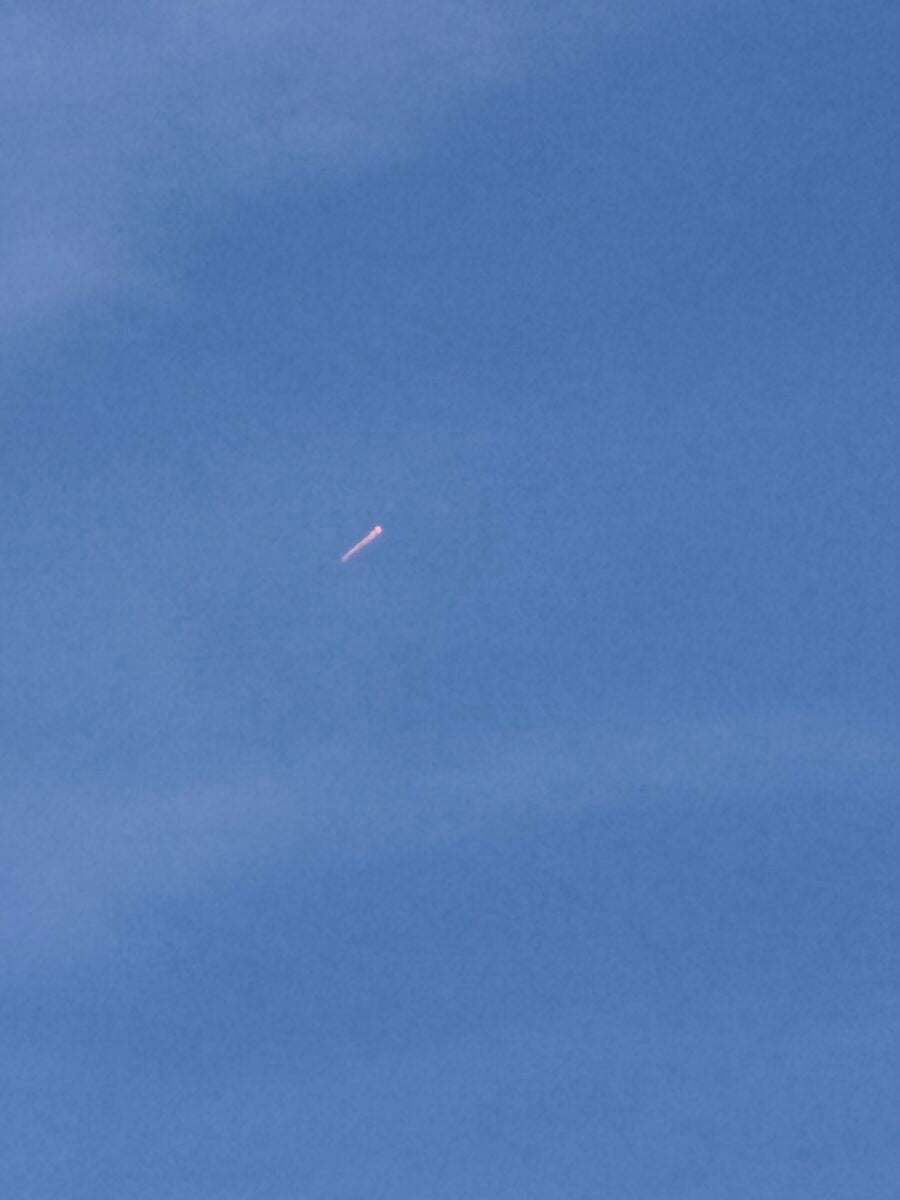
We couldn’t see the actual liftoff from Sebastian Inlet. But once that rocket cleared the pad and started climbing, the view opened up completely. We watched the entire ascent. We saw the boosters separate and ignite for their recovery descent. I have never seen that from Manatee Hammock. Usually, you’re watching straight on, and a lot of the detail gets lost. Seeing it from a distance and from the side gives you the full picture.
The scale of it is what gets you. This is not a Falcon 9. The flame trail was three or four times larger than anything we’d seen from a SpaceX launch. It lit up the sky in a way that made people around us go quiet. You feel it before you fully understand what you’re seeing. Here is a link to a reel with video of the flight and booster separation.
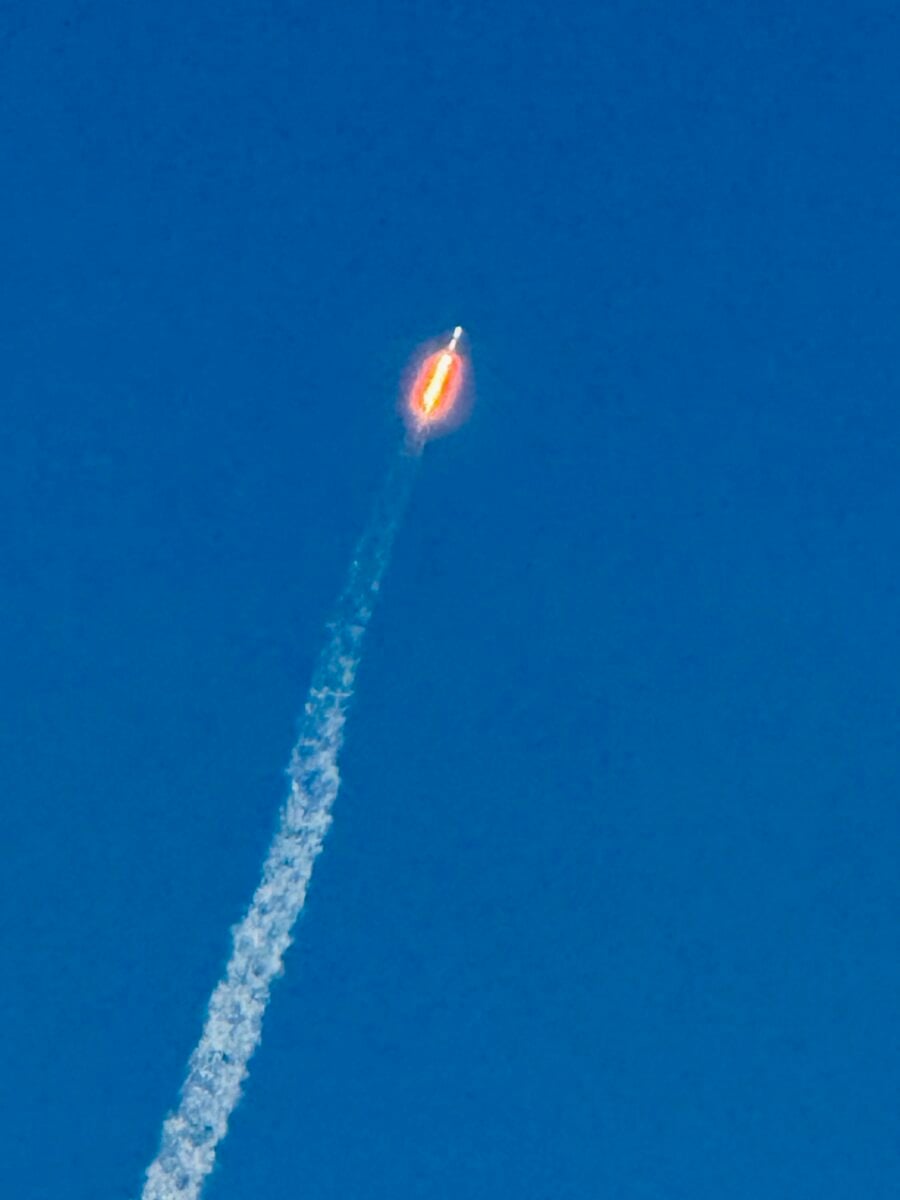
Being there for Artemis II gave the whole thing a weight that regular launches don’t have. It’s a mission years in the making, with real astronauts heading back to the moon.
If Florida’s space coast isn’t already on your radar as an RV destination, it should be. The parks are excellent, the fishing is good, and every now and then the sky puts on a show you’ll be talking about for years.
This is a companion discussion topic for the original entry at https://leisurevans.com/blog/watching-artemis-ii-how-we-chased-rocket-launches-up-floridas-space-coast/