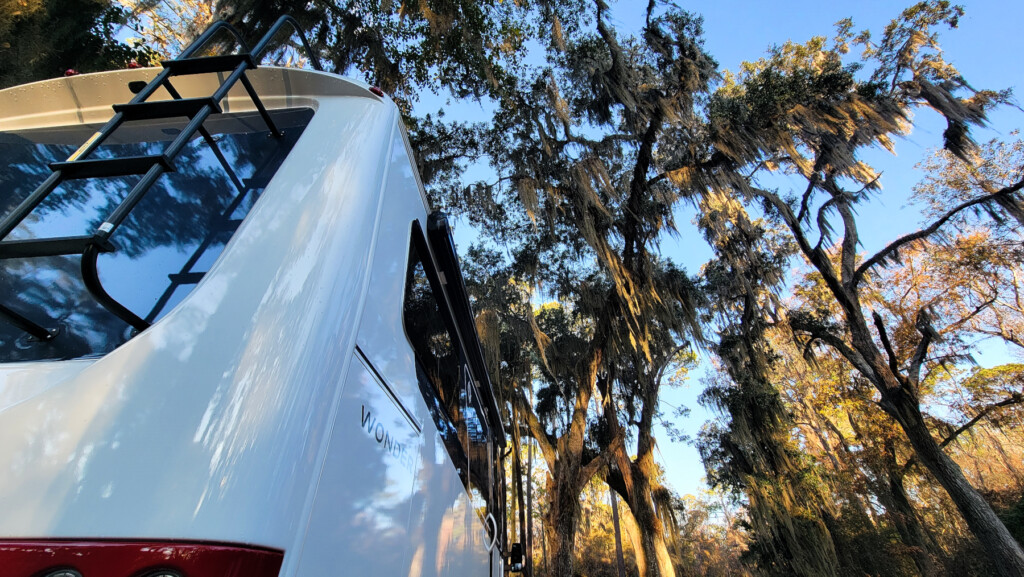
When I first drove off in my brand-new 2025 Wonder Rear Twin Bed back in September 2025 from Howard RV Center in Wilmington, North Carolina, I imagined freedom in its purest form, waking up to vineyard sunrises, pulling into scenic overlooks at will, and carrying everything I needed in one beautifully engineered space.
What I didn’t fully anticipate was how much of that freedom would be earned through trial and error and a steady accumulation of small, practical lessons. Six months in, I’ve come to understand that owning this RV isn’t just about travel, it’s about developing a relationship with a machine, a space, and a completely different way of living.
This is the deeper story behind those first six months.
Systems Thinking: When “Simple” Isn’t Simple
Early on, I underestimated just how interconnected the RV’s systems are, especially when it comes to water management.
Winterizing and de-winterizing seemed like a checklist task. Turn a few valves, run some antifreeze, flush the system, done. Except the first time around, I got the valve positions wrong. Not dramatically wrong, but wrong enough to create confusion: water not flowing where expected, pressure behaving oddly, and a creeping sense that something wasn’t quite right.
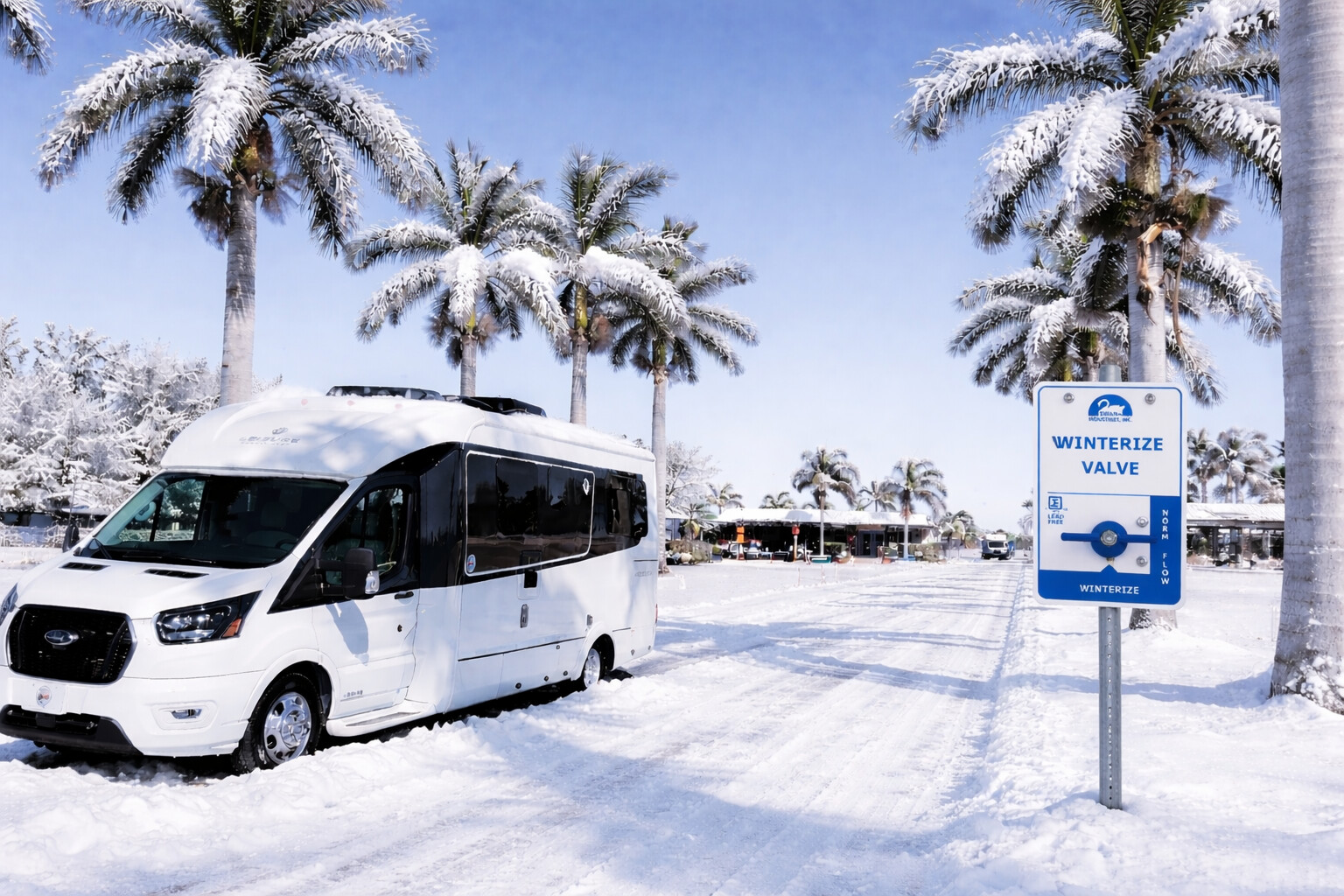
What I learned is that RV plumbing isn’t intuitive until you’ve lived with it. It’s a system of intentional pathways, as each valve reroutes flow in a very specific way. One wrong position doesn’t just “not work,” it creates misleading feedback.
Now, I approach it differently:
- I visualize the system before touching anything.
- I move one valve at a time, not multiple at once.
- I confirm outcomes immediately.
That experience shifted my mindset from “follow steps” to “understand systems”.
The Propane Lesson: Always Start with the Obvious
Few moments are more humbling than troubleshooting a problem that isn’t actually a problem. I spent time wondering why my heater and hot water weren’t functioning properly, running through possibilities, mentally escalating the issue, only to realize the propane switch was off. That moment sticks with you.
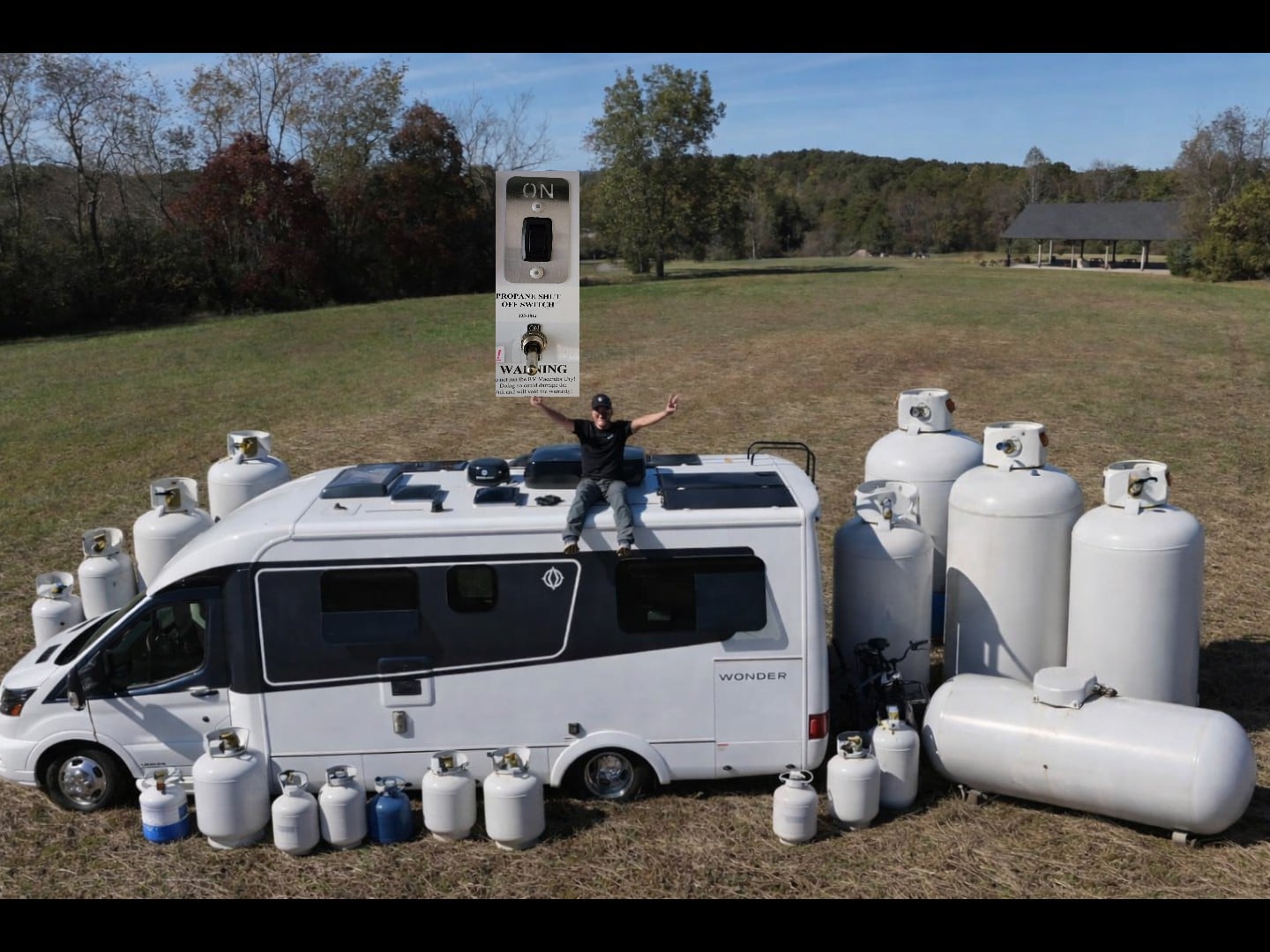
It reinforced a discipline I now follow religiously: before assuming failure, verify fundamentals:
- Is it powered?
- Is it supplied?
- Is it switched on?
It sounds basic, but in a compact RV where systems overlap, it’s surprisingly easy to overlook, especially for first-time amateur RV owners.
Storage: From “Just in Case” to “Only What Matters”
If there’s one area where my mindset changed dramatically, it’s storage.
At the beginning, I packed like I was insulating myself from uncertainty: Extra utensils. Backup cookware. Redundant tools. Items for “what if” scenarios that rarely, if ever, happened. The turning point came not from philosophy, but physics.
On a turn, my overloaded/overweight kitchen drawers slid open, my kitchen sink lid flew from its storage compartment, and items in the upper storage compartment took flight because the cargo doors were left open, instantly showing me the flaw in my approach. The RV wasn’t just carrying my stuff; it was reacting to it.
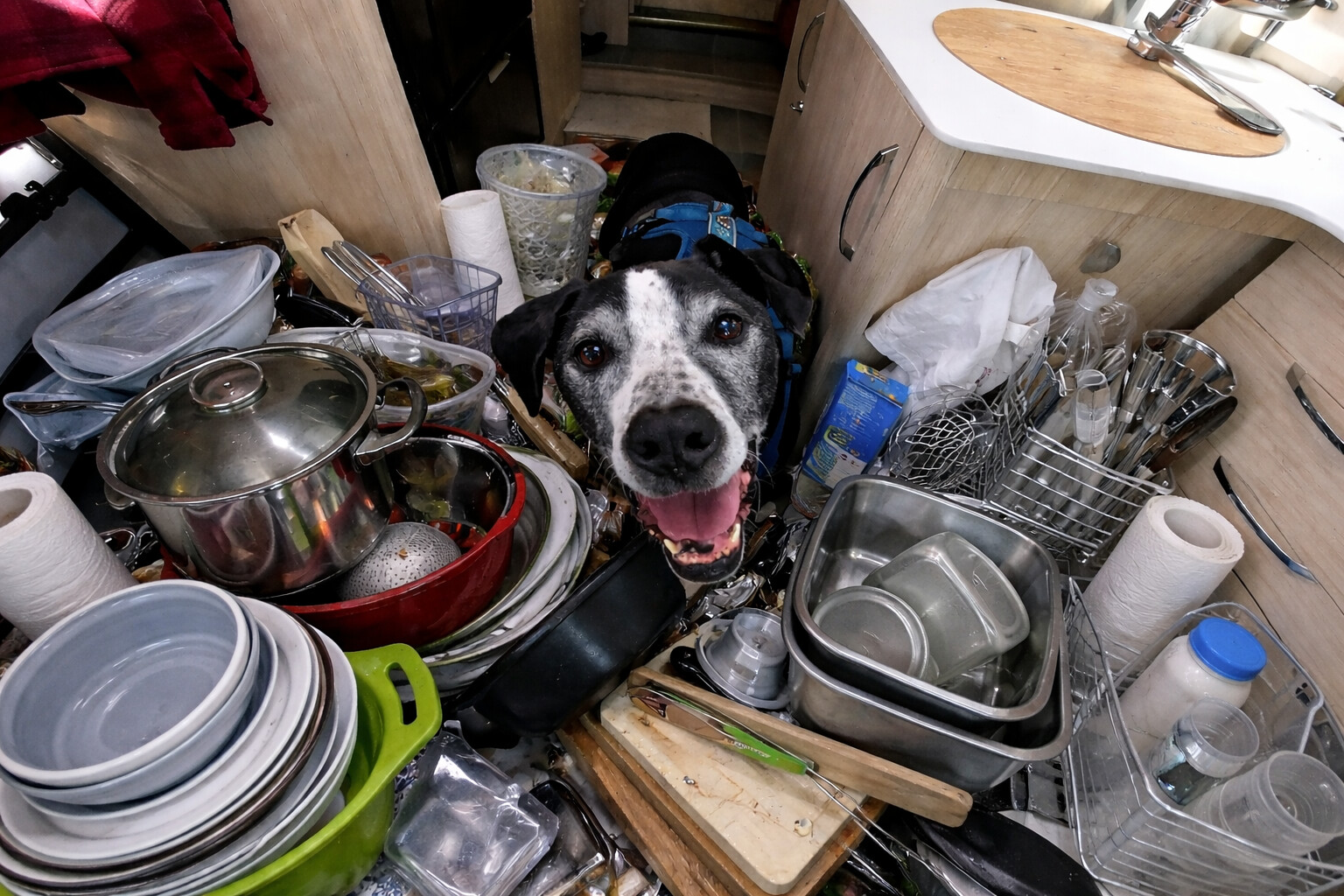
That’s when I realized: weight distribution matters, and drawer mechanisms have limits.
Use the Click Rule to ensure compartments are closed. And excess creates instability, not security.
Now, everything I carry earns its place. I’ve replaced bulk with utility:
- Multi-use tools instead of single-purpose gadgets.
- Fewer dishes, used more intentionally.
- Items that support how I actually live, not how I imagined I might.
The result is not just a tidier RV, it’s a calmer one.
Living Small Means Moving Differently
The low ceiling in the RV taught me something I didn’t expect: spatial awareness is a learned skill. At home, your body moves without negotiation. In an RV, every movement has context. Standing up too quickly, shifting direction without thinking, it all has consequences.
Yes, I hit my head. More than once. Honestly, way more than “more than once.” Some of those head bangs were retaliated with a few four-letter words.
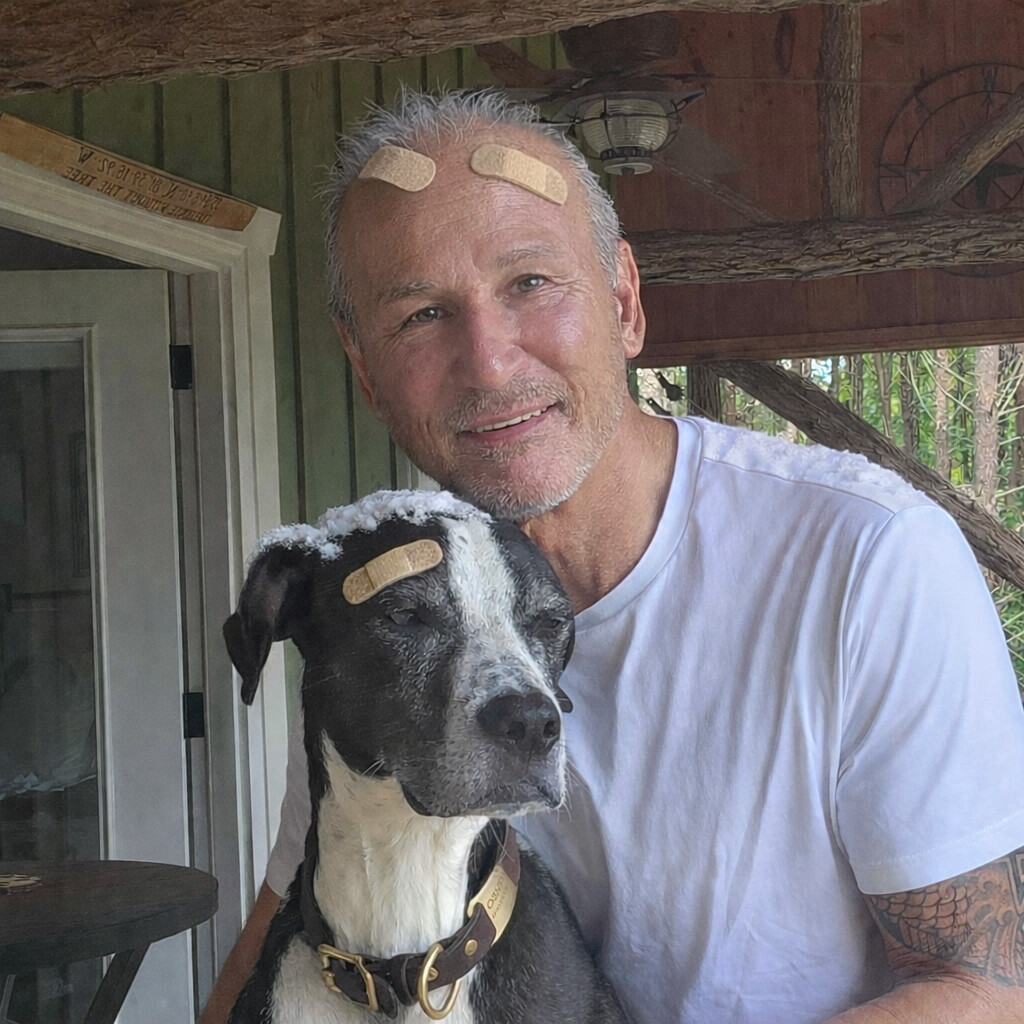
But over time, something interesting happened: my body adapted. I began to move more deliberately, more efficiently. There’s a kind of choreography to small-space living that eventually becomes second nature.
It’s not just about avoiding bumps; it’s about becoming more aware of your environment.
DIY Adaptation: Pushing the Limits Carefully
One of the more experimental moments came when I rigged my compressor to draw power from the 7-pin connection. It worked, but it also opened my eyes to the balance between ingenuity and understanding.
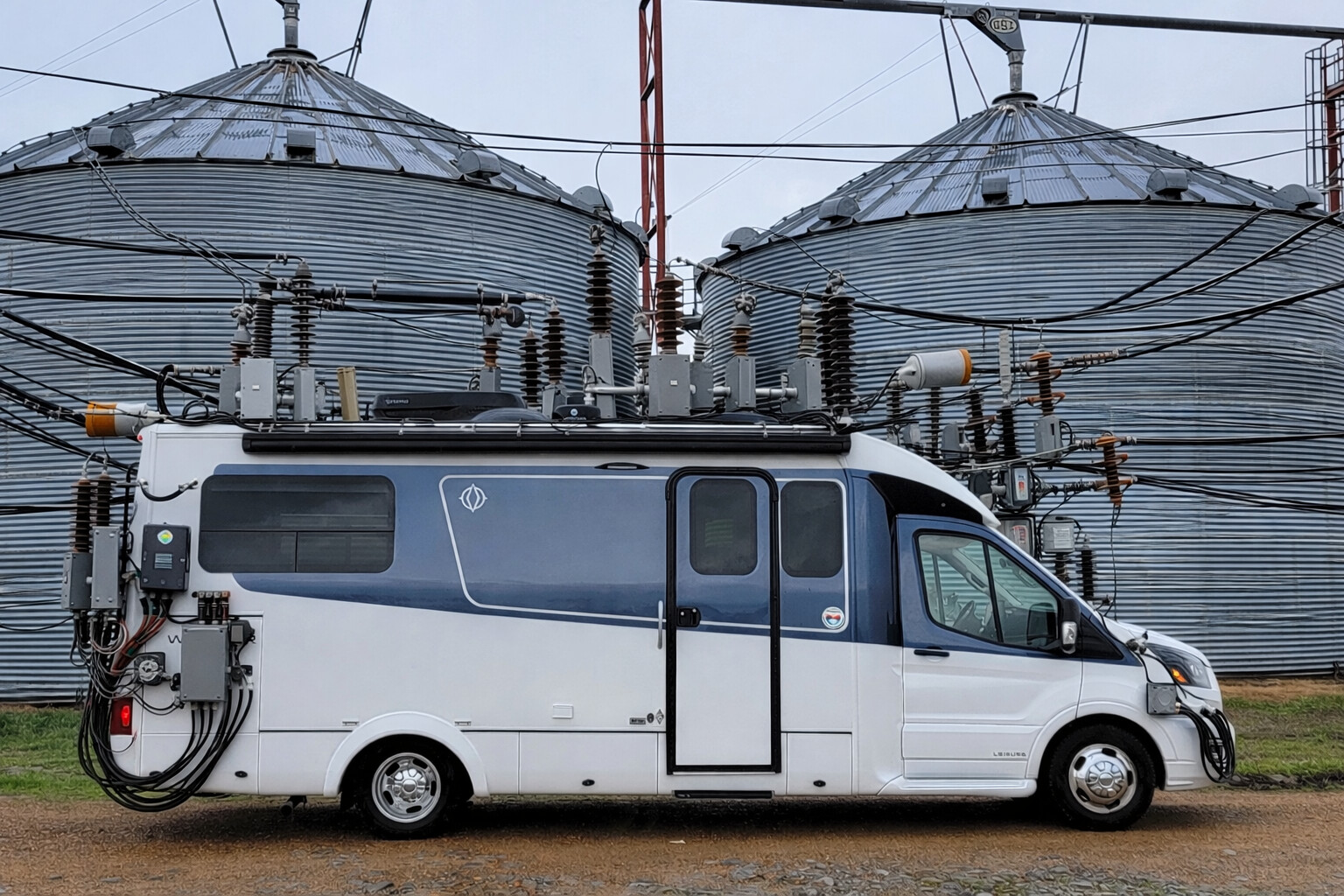
RV systems are robust, but they’re not infinite. Every modification or workaround carries implications:
- Load capacity
- Wiring limits
- Battery impact
That experience didn’t discourage me from adapting; it made me more thoughtful about it. Now, I ask:
- What is this system designed to handle?
- What are the long term effects of this change?
Creativity is part of RV life, but so is respect for the engineering.
Comfort is Personal: Making the Space Yours
Factory design gets you started, but personalization is what makes the RV livable.
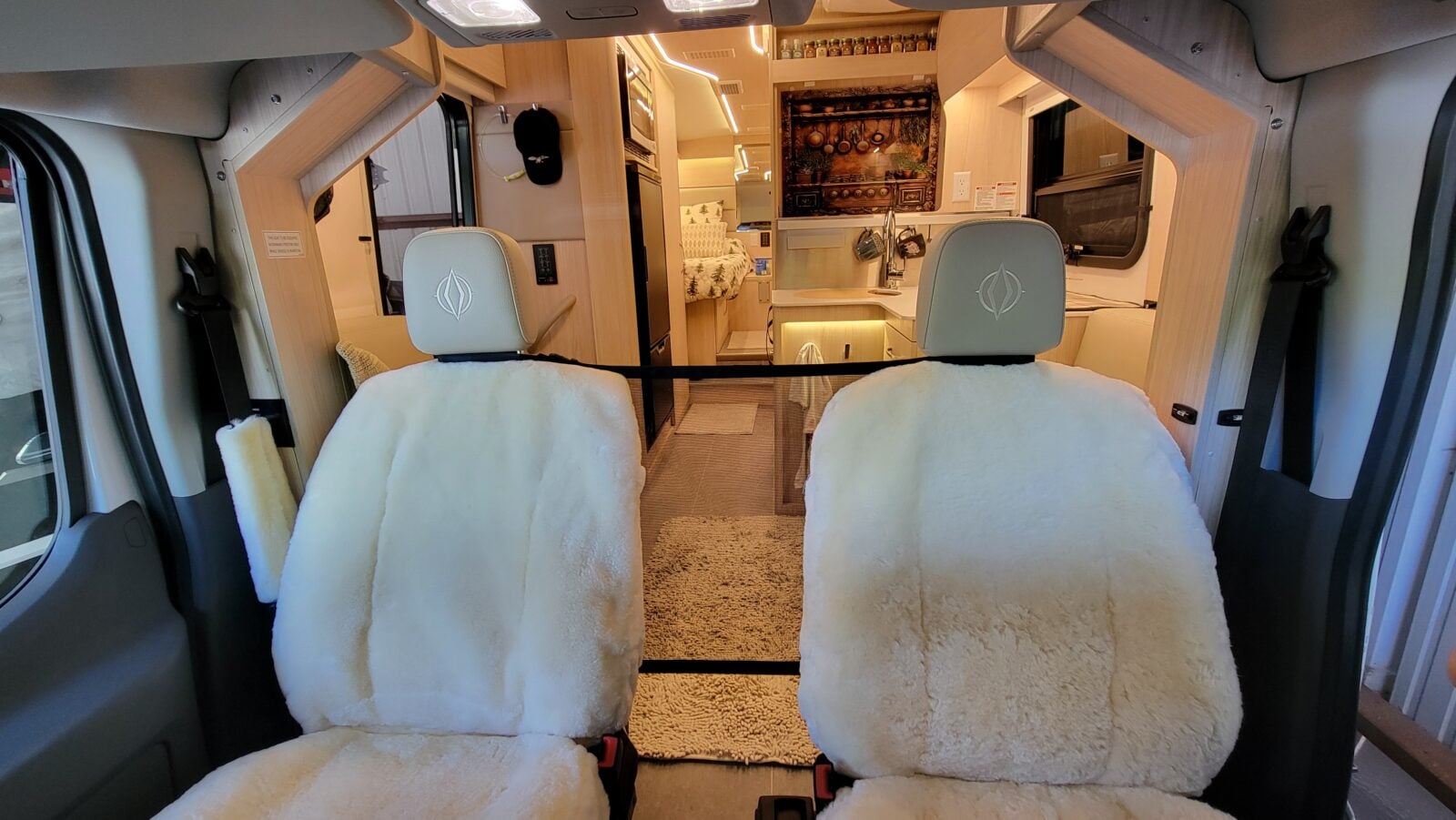
Adding sheepskin seat covers to both the driver and passenger seats wasn’t just about comfort (though it made long drives significantly better). It changed how the driving space felt warmer, more inviting, less utilitarian.
Removing the kitchen TV was an even bigger shift. It wasn’t adding value to my experience, so I replaced it with something that did: artwork and a copper shelf.
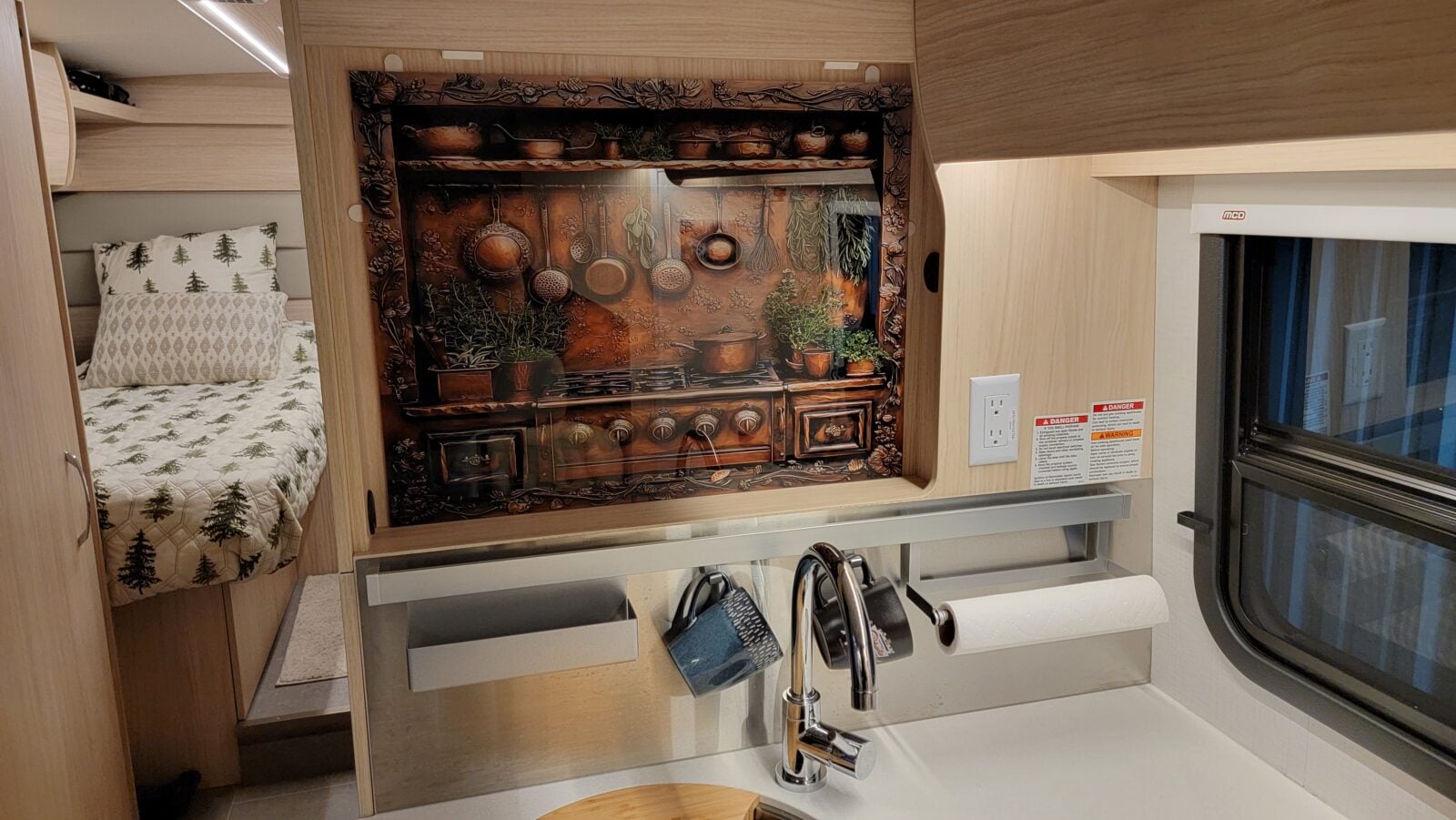
That change did two things:
- It reflected how I actually use the space.
- It made the RV feel less like a product and more like a home.
Every modification since then follows that same principle: function first, but always with a sense of personal identity.
Technology: From Overwhelming to Essential
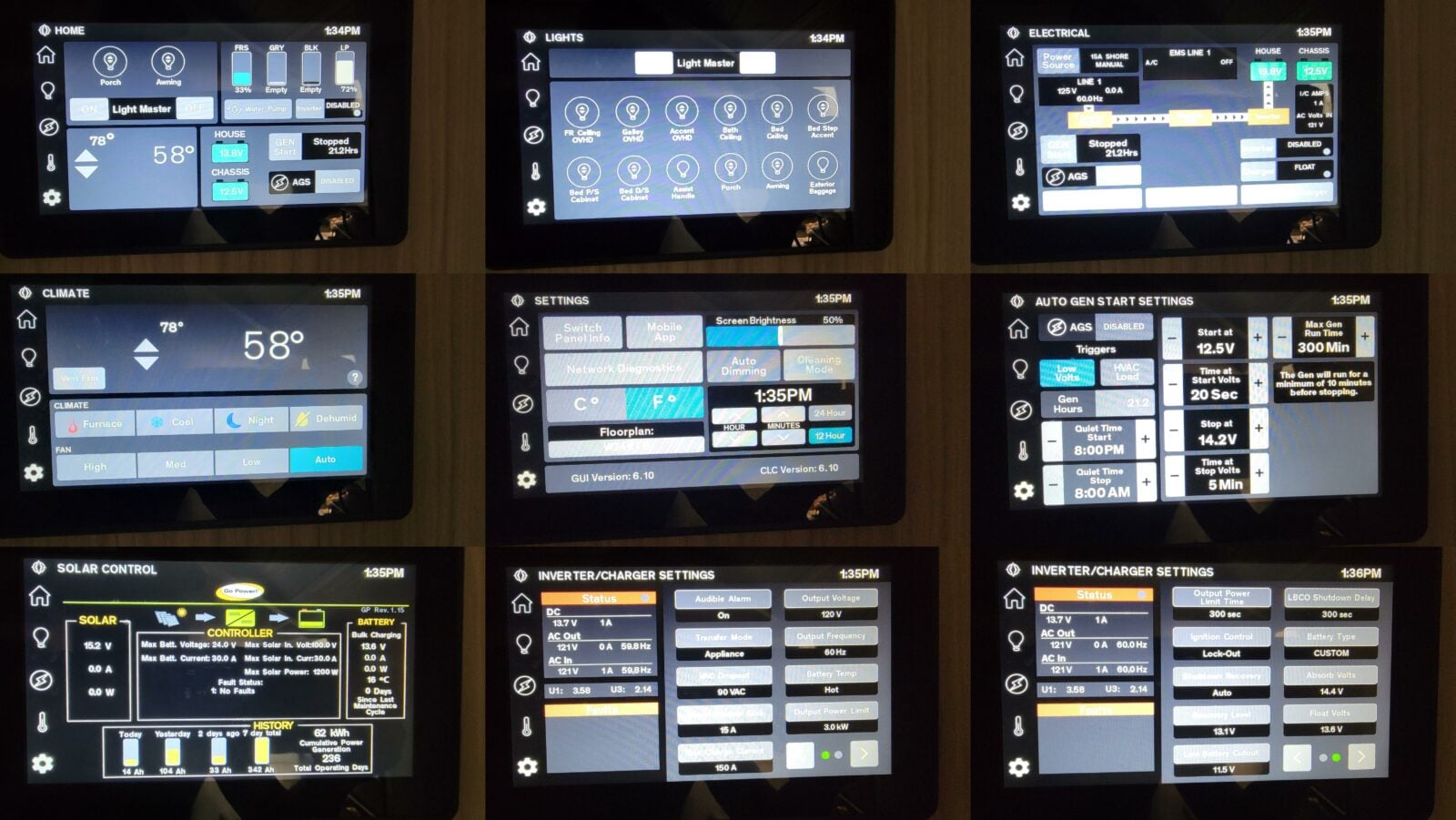
The onboard computer system initially felt like too much: menus, data points, modes that weren’t immediately intuitive. But once I invested time in learning it, it became one of the most empowering aspects of the RV.
Eco Mode, in particular, changed how I drive. It encourages smoother acceleration, more efficient fuel use, and a generally calmer driving experience. Over long distances, that adds up—not just in fuel savings, but in reduced fatigue.
The lesson here wasn’t just about the feature; it was about engagement. The more I understood the system, the more value I got from it.
Care and Maintenance: Protecting the Investment
One area that became increasingly important over time wasn’t about travel; it was about preservation. Owning an RV like this means taking responsibility for maintaining not just how it runs, but how it ages.
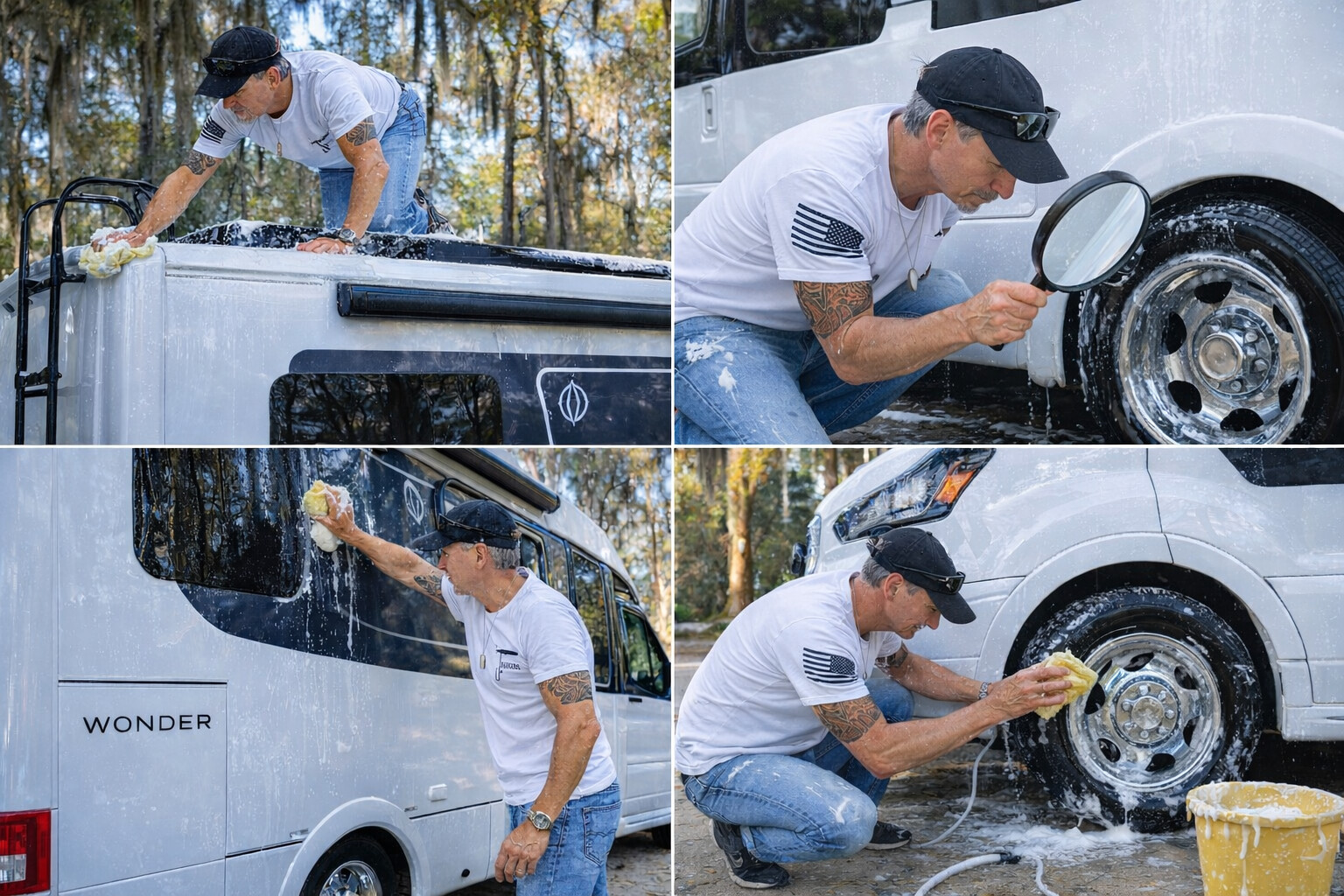
Regular washing became more than cosmetic. It’s about removing road grime, protecting finishes, and simply staying familiar with the exterior condition. Simply using a waterless car wash solution at the end of the driving day to remove those pesky bugs that decided to cross your path became a daily ritual. When you clean something often, you notice small issues before they become big ones.
I also learned the value of using silicone spray on all moving parts, such as rubber seals, compartment doors, hinges, and slide mechanisms. Keeping these components lubricated prevents drying, cracking, and premature wear. It’s a small effort that pays off long term.
Storage matters, too. Covered storage isn’t just a luxury, it’s protection. Sun exposure, weather, and temperature swings all take a toll over time. Keeping the RV sheltered when not in use helps preserve everything from paint to seals to interior materials.
And then there’s the most vulnerable part of the entire vehicle: the roof. It’s easy to forget about because you rarely see it, but the roof is constantly exposed. Seals, vents, and mounted components all depend on it remaining watertight. Regular inspection became part of my routine, like checking for cracks, wear, or anything that could lead to leaks. Changing to white-soled shoes became the norm after leaving what appeared to be faded black animal tracks on the roof.
That awareness changed how I think about ownership. It’s not just about using the RV, it’s about actively protecting it.
Community Knowledge: Your Fastest Path to Answers
One of the most valuable discoveries in these first six months didn’t come from the road; it came from the community.
The Leisure Travel Van Enthusiasts Facebook group quickly became my first stop for troubleshooting. Before diving into hours of research or trial and error, I learned to start there, and it consistently saved time and frustration.
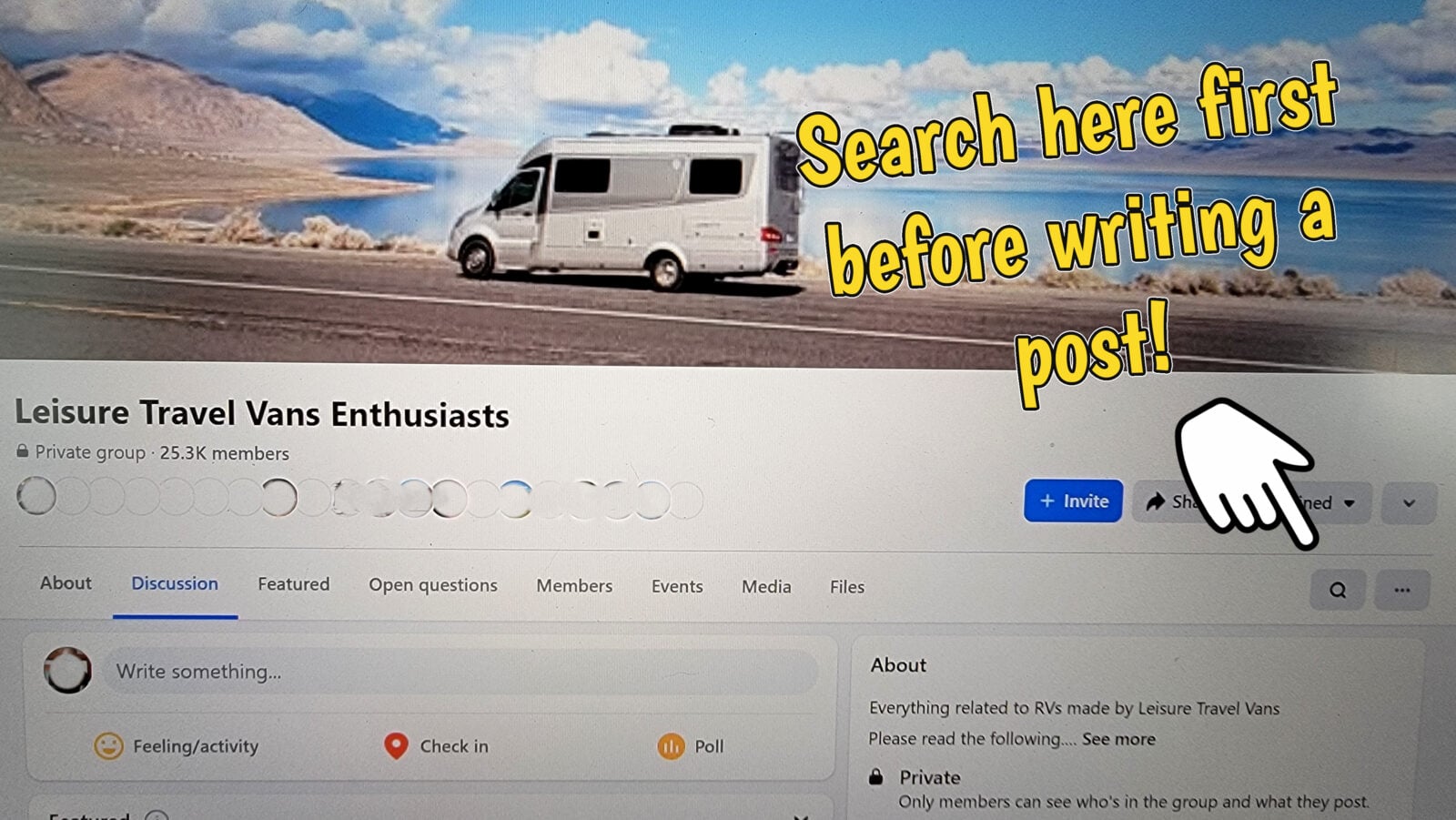
The depth of knowledge in that group is remarkable. Owners share real-world experience, practical fixes, and insights that only come from living with these RVs day after day. Many of the questions I had were already answered, and the ones that weren’t received thoughtful, experience-based responses.
Even more reassuring, the manufacturer, Triple E, is actively present and engaged. That direct connection adds a level of confidence you don’t often find, knowing that expert input is never far away.
What I realized is that RV ownership doesn’t have to be a solo learning curve. Tapping into a knowledgeable community accelerates understanding, reduces guesswork, and often leads to better solutions faster. The members are truly remarkable.
Preparedness: The Spare Tire Realization
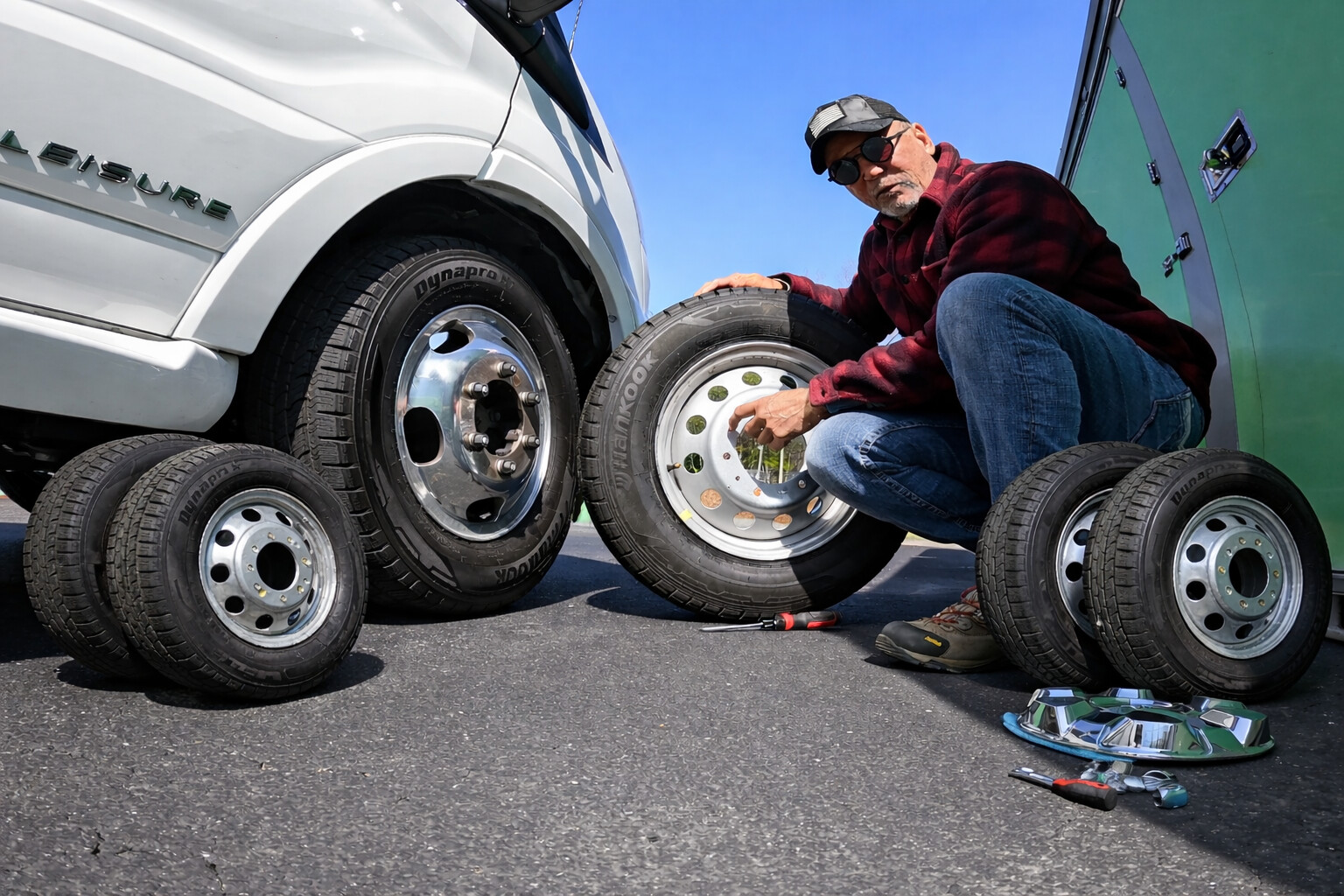
Some lessons arrive quietly, but carry weight. The realization that I didn’t have a spare tire while planning a cross-country trip was one of them. Nothing had gone wrong. There was no incident. Just a moment of clarity: If something does happen, am I ready?
That question reshaped how I think about preparation. Now, it’s not about packing for fear; it’s about eliminating avoidable risk. A spare tire isn’t exciting, but it’s essential.
Harvest Hosts: Where Travel Becomes Experience
If the RV is the vessel, Harvest Hosts has been the gateway to experiences I wouldn’t have otherwise found.
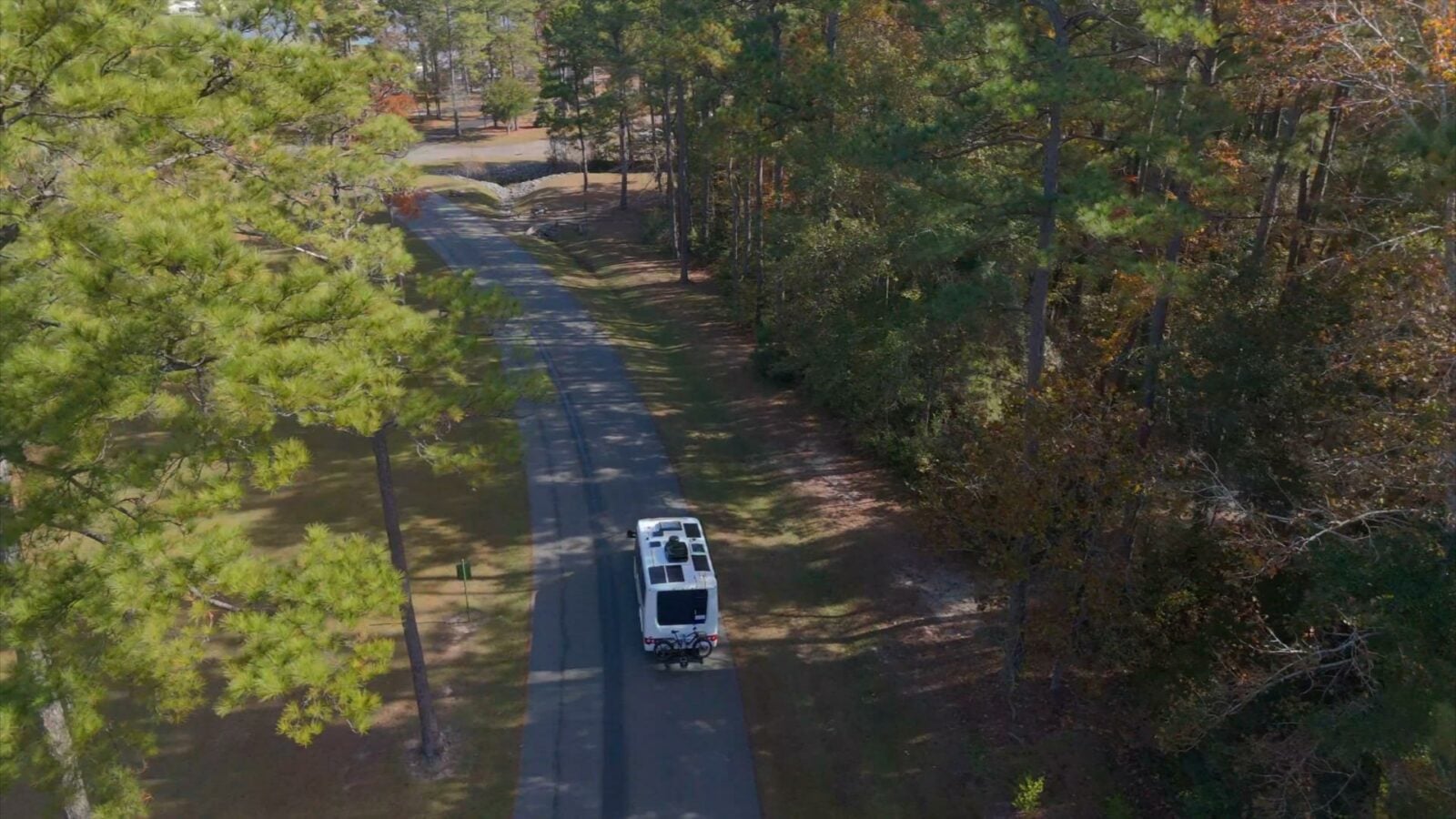
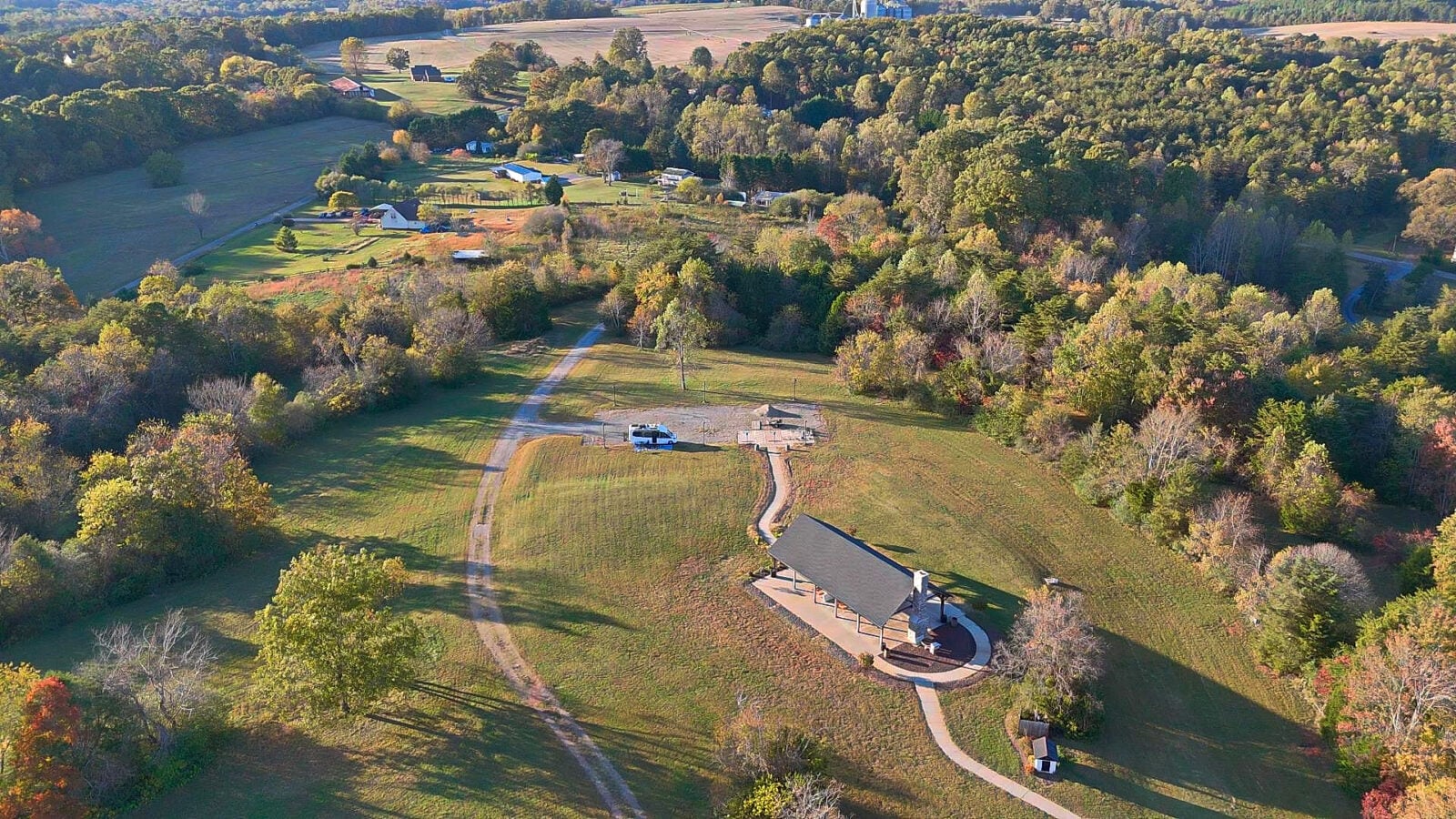
My first trip introduced me to:
- Quiet wineries at sunset.
- Breweries with character and community.
- Small town pizza spots with unexpected charm.
- Museums that offered both history and hospitality.
These weren’t just places to park; they were places to connect. They slowed me down, encouraged conversation, and reminded me that travel isn’t just about movement, it’s about presence.
The Bigger Picture: What Six Months Really Teaches You
After six months, the biggest realization is this: You don’t “figure out” RV life, you grow into it.
Every mistake becomes a reference point. Every adjustment becomes a habit. Every trip becomes a little smoother than the last. The Wonder RTB hasn’t just taken me to new places, it’s reshaped how I think about space, efficiency, and experience.
I’ve learned to:
- Trust systems but verify them.
- Carry less and live more.
- Adapt quickly and plan thoughtfully.
- Turn mistakes into process improvements.
Perhaps, most importantly, I’ve learned that the value of this lifestyle isn’t in getting everything right, it’s in learning as you go.
Because out here, on the road, every mile teaches you something.
This is a companion discussion topic for the original entry at https://leisurevans.com/blog/six-months-in-a-deeper-look-at-life-mistakes-and-mastery/