Editor’s Note: This post is written by a member of LTV’s sponsored content team, The Leisure Explorers. Do you own a Leisure Travel Van and enjoy writing? Learn more about joining the team.
Single, pregnant, and broke, 22-year-old Thelma Long stood in court facing five years in San Quentin prison. Her crime? Owning a still. A felony under a US Federal law known as The National Prohibition Act of 1920.
In truth, the still didn’t belong to Thelma. The police nabbed her during a raid of bootlegger Charles W. Holland’s Los Angeles home in May of 1929. Thelma lived with Holland ostensibly as his wife and took care of his six kids. But her presence in the house made it easy for the police to charge her with possessing a still.
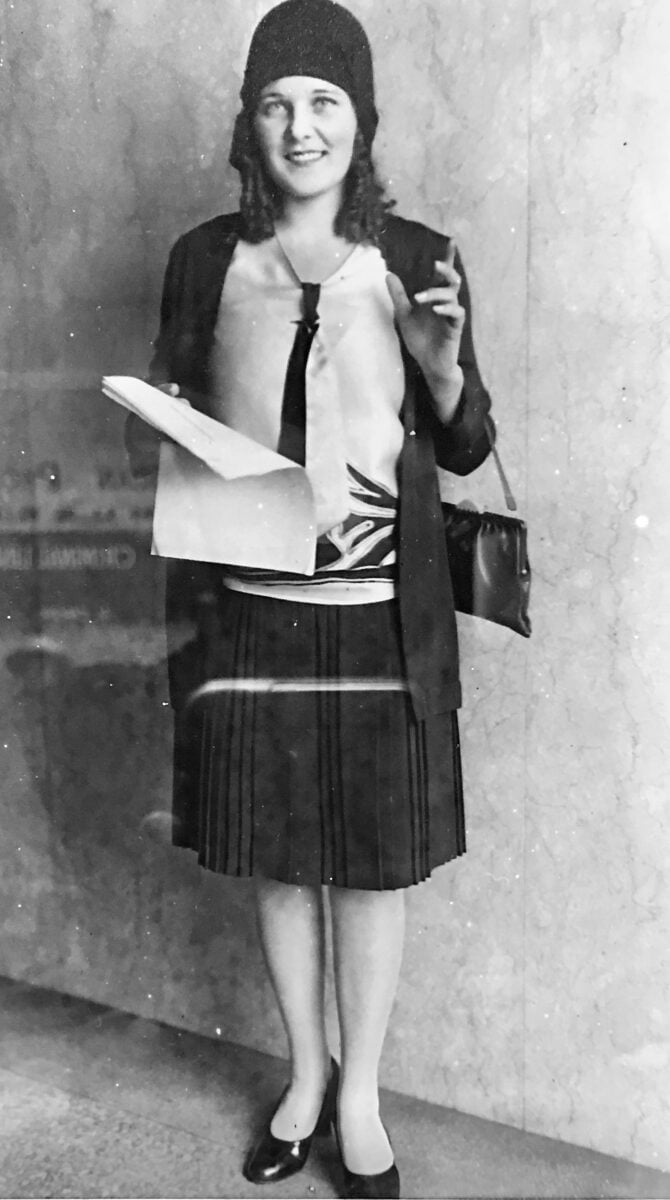
A media frenzy whipped up public outrage over Thelma’s plight. Few saw the wisdom of jailing a young woman sure to give birth in prison. The court put her on probation thanks to clever legal wrangling by her attorney.
Thelma’s life became collateral damage emblematic of America’s 13-year-long war on alcohol between 1920 and 1933. However, her case and the era serve as a warning to us. Prohibition stands as an example of how a democratic republic can create laws that impose a form of totalitarianism over a society when rival factions exercise their rights to get what they want, but infringe on the freedoms they cherish in the process.
Savannah, Georgia: Home of the First Official Act of Prohibition in America
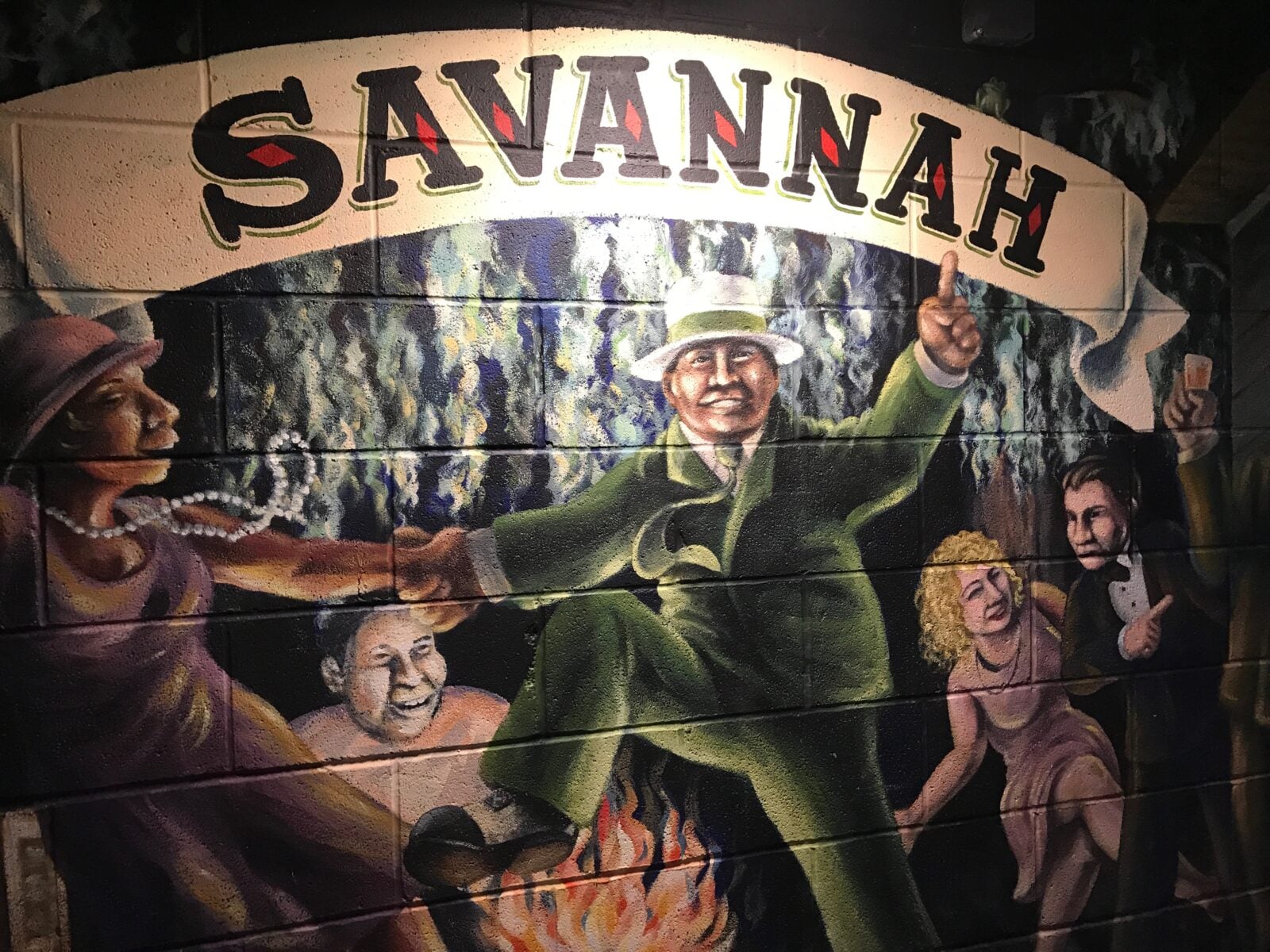
Savannah was known as the spigot of the South during the Prohibition era in America. But it wasn’t always this way. The city started out Dry.
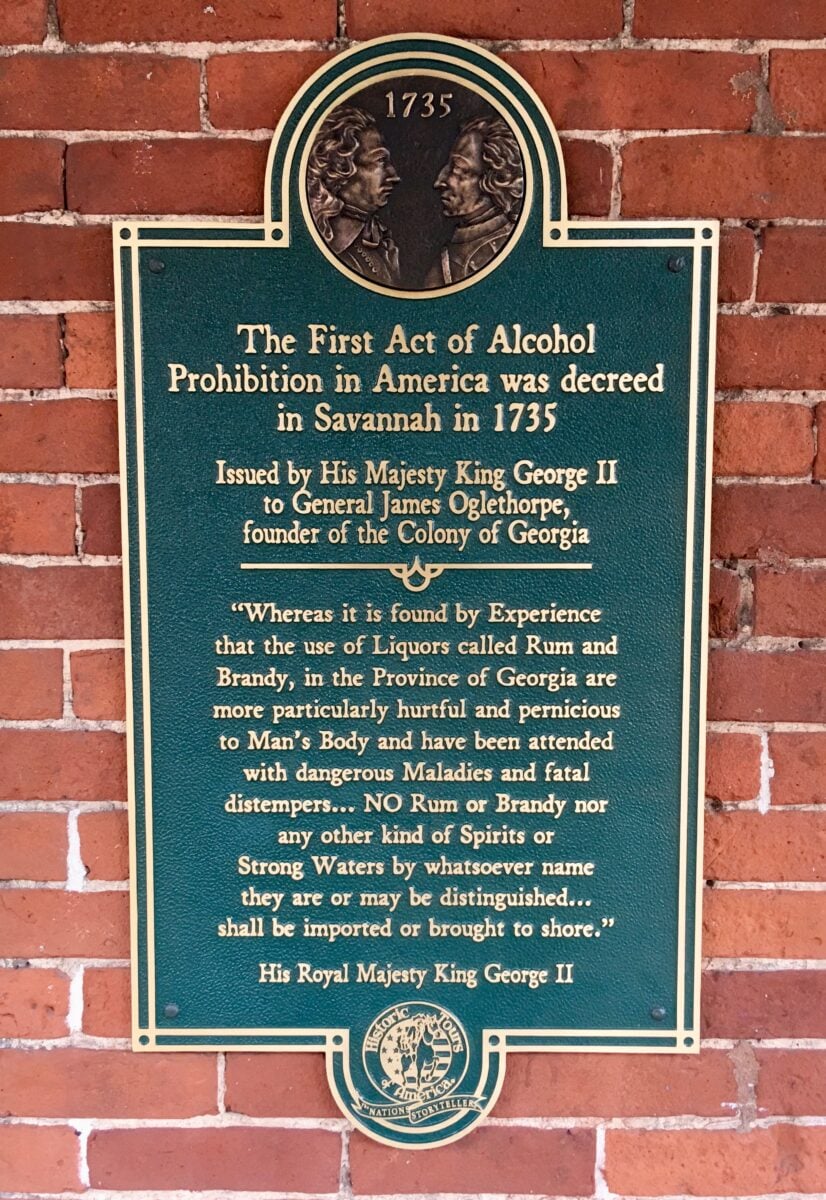
In 1732, James Oglethorpe founded the city of Savannah and the British Colony of Georgia. Like many leaders of his era, he held firm moral views and strident convictions. Oglethorpe saw alcohol as a source of evil and set out to ban it from the colony by seeking help from the British Crown. All too happy to comply, King George II decreed the first official act of alcohol prohibition in America at Savannah in 1735.
Oglethorpe’s success did not stand the test of time. Savannah became the booze-running capital of the South during Prohibition. Georgia’s 113-mile-long Atlantic coast is home to 15 barrier islands, an endless maze of creeks, waterside nooks and crannies, finger-like tributaries, hammocks, caves, jetties, and remote lagoons. These qualities made Savannah a natural haven for producing and running booze during Prohibition.
In 1908, Georgia became the eighth state in the Union to go dry, before the national Prohibition.
The Roots of Prohibition in America
The struggle over Temperance—a movement to promote abstinence in the human consumption of alcohol—stirred in the souls of many since the earliest days of Colonial America. The views of two opposing movements, the Wets and the Drys, dominated public debate.
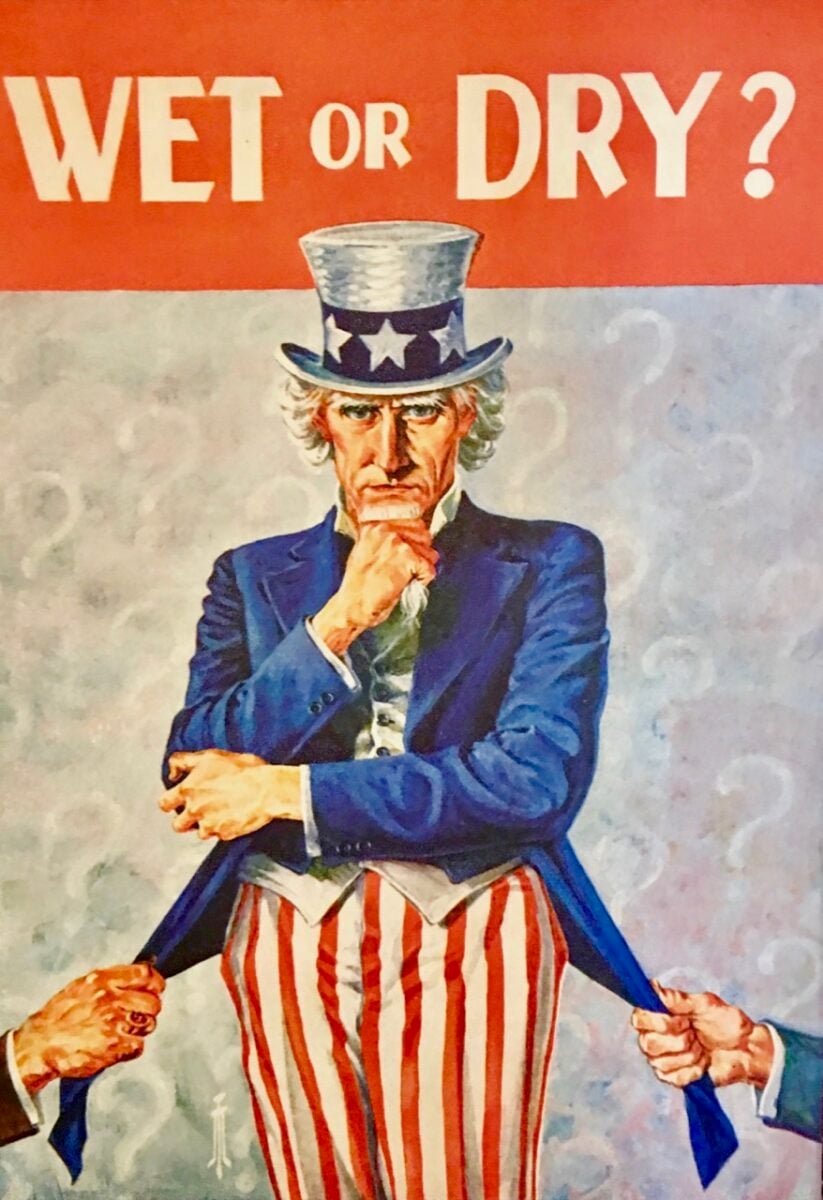
An uneasy truce between the two factions lasted until the end of the American Civil War in 1865. Taxes on alcohol were a vital source of revenue for the Colonies and the States throughout American history.
Tax revenues were especially crucial during the American Civil War, with both sides desperately in need of funds. The Wets saw tax collection as their primary defense against critics.
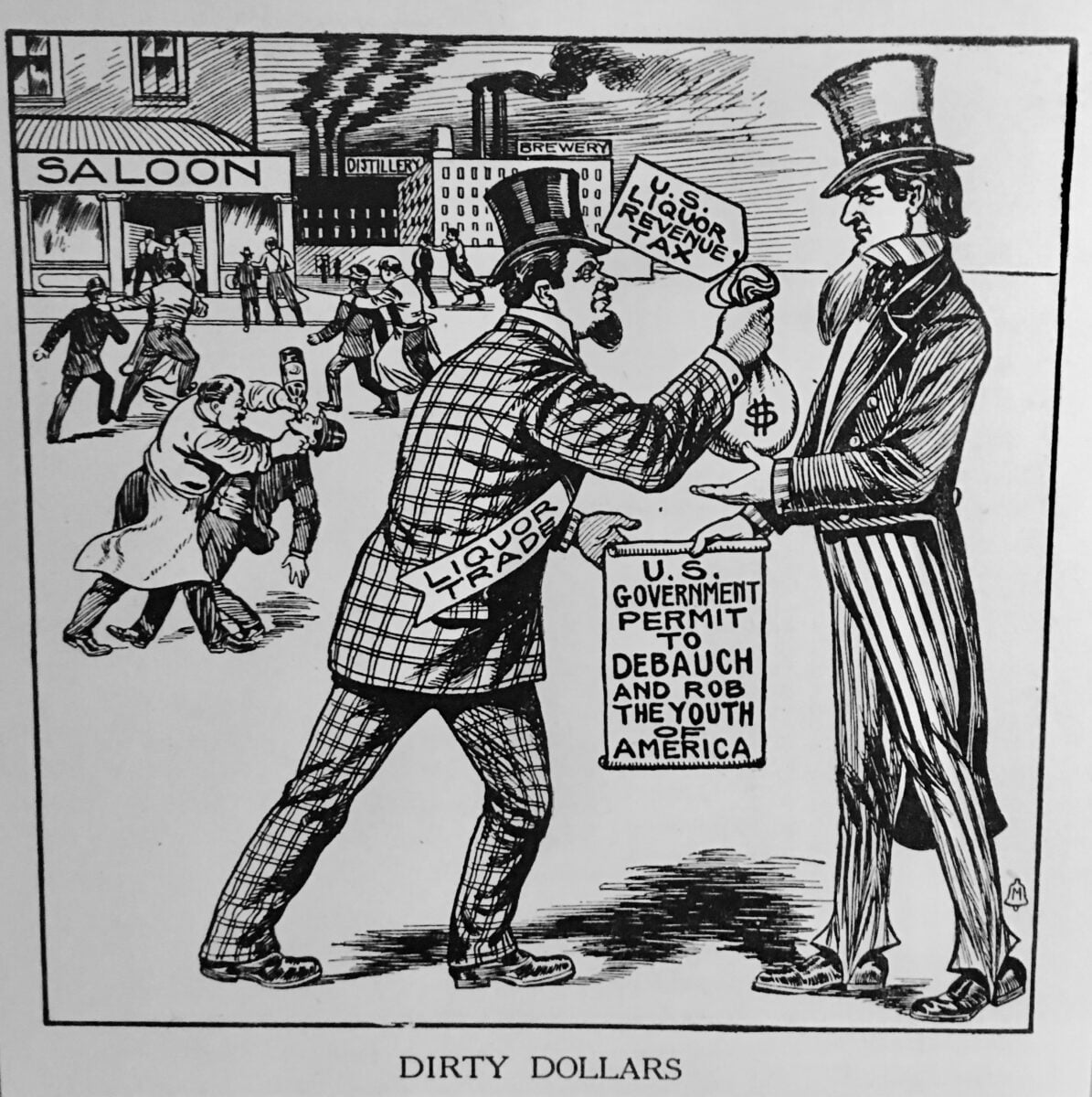
The Dry movement came together after the Civil War. The Drys knew their Colonial ancestors introduced alcohol to America. Collaboration between the Prohibition Party (1869) and the Anti-Saloon League (1893) culminated in a 33-state alliance that, by 1920, led to the nationwide ban on alcohol sales through the enactment of Prohibition.
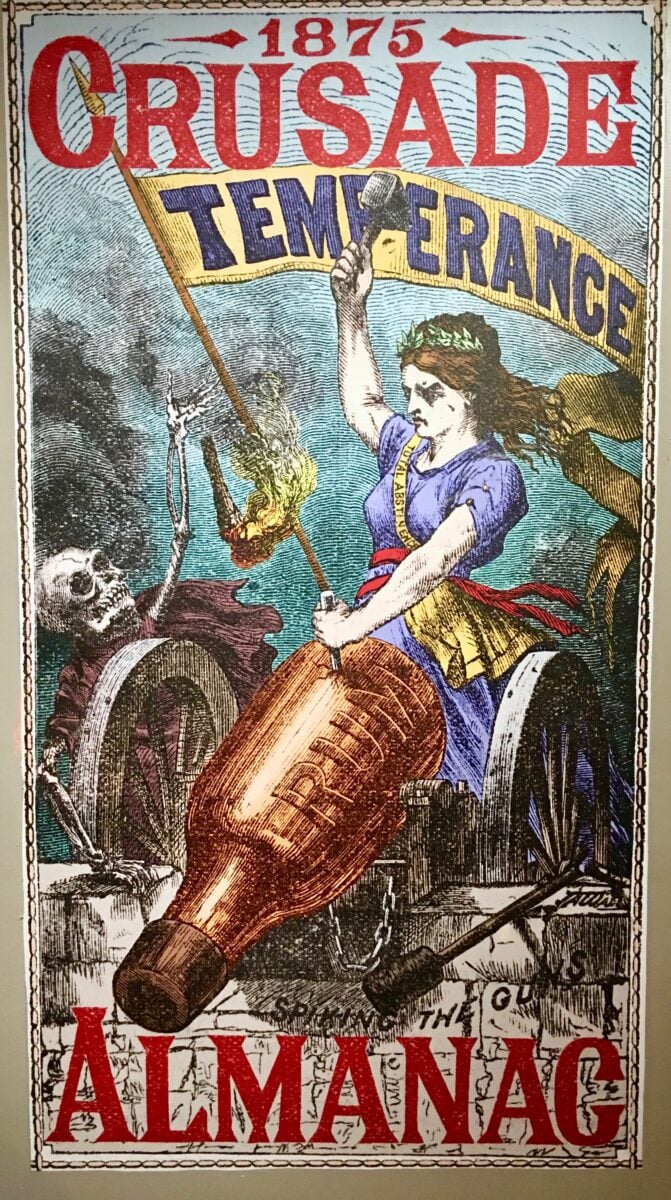
The Reality of Prohibition in America
Prohibition in America arose from strong currents of evangelical Protestant perfectionism and a backlash against European immigration during the first two decades of the 20th century. Running a distillery—a profitable business tradition for unskilled workers in Europe—fueled fears that immigrants would add to the alcohol problem and undermine the culture of America before and after World War I.
Financial Calamity
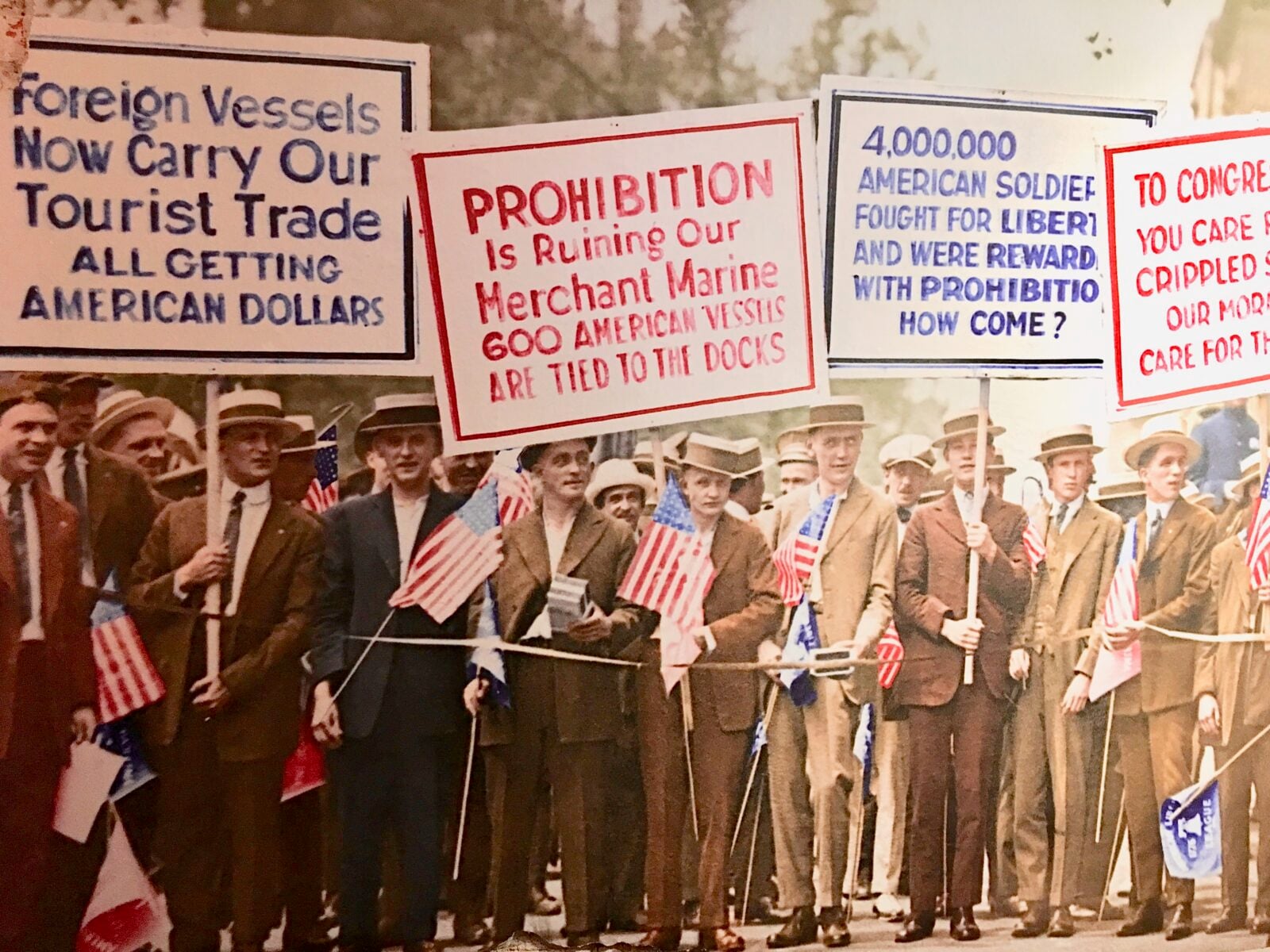
Temperance leaders and Government bureaucrats tried to assure a doubtful public that Prohibition would trigger an economic boom. But the impact was negative.
First, thousands of farmers, brewers, distillers, coopers, distributors, truck drivers, warehouse workers, and clerks lost their jobs. Second, the ban on alcohol sales resulted in a loss of revenue for the Federal and State governments. This ban led to new taxes, forcing destitute and desperate workers to confront their own financial ruin. Third, widespread unemployment led more citizens to become dependent on the Government for subsistence. The Great Depression (1929-1933) delivered the final economic blow to America, making the country’s financial crisis unbearable.
Widespread Crime
~Mother’s in the kitchen washing out the jugs,
Sister’s in the pantry bottling the Suds,
Father’s in the cellar mixing up the hops,
Johnny’s on the porch watching for the cops~
The unpopularity of Prohibition led to widespread disregard for law and order. Traditional crimes like murder, robbery, assault, extortion, bribery, and fraud were commonplace.
The American Mafia was born and became flush with cash, trafficking in alcohol. Urban warfare broke out over brewing sites and distribution deals with Speakeasies—illicit nightclubs offering alcohol to patrons.
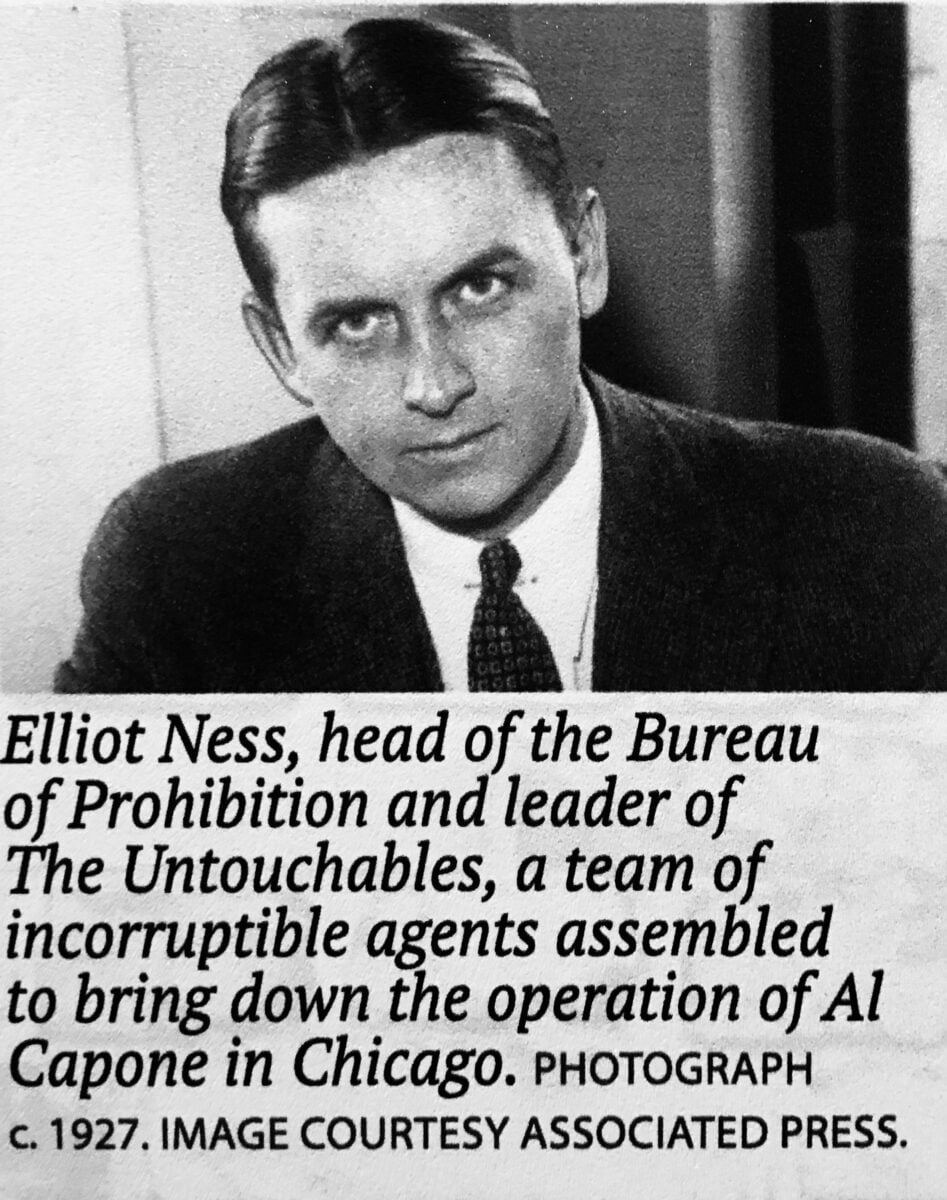
The organized crime climate in America made it easier for the Ku Klux Klan (KKK) to carry out its violent, racist agenda, with its membership increasing to 5 million during the era. The Klan’s anti-immigrant, anti-Semitic, anti-Catholic, white-supremacist views fit perfectly into an America amid a political and legal divide.
The KKK used Prohibition to justify torching the businesses and homes of European immigrant business owners. Corrupt police, conspiring with the KKK, entered the homes of immigrants and minorities at will, using search warrants based on suspicion and flimsy evidence.
“… The Father and mother of the Ku Klux Klan is the Anti-Saloon League …”
~Clarence Darrow~
Many Americans, unwilling to engage in outright criminal conduct, resorted to skirting the law. Some began home brewing to enjoy their stash of hooch. It became common for homemakers to hold social gatherings where visitors could discreetly sip booze.
Social Unrest
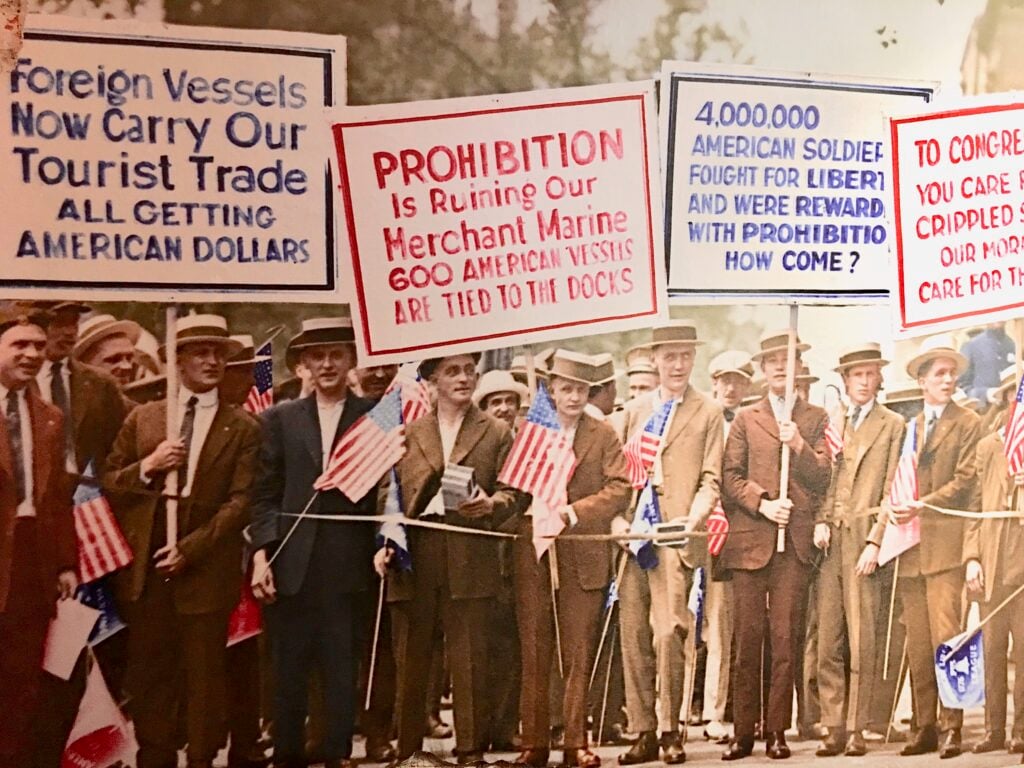
Prohibition set up a cultural war in the United States, pitting religion against religion, class against class, and race against race. Civil liberties stated in the US Constitution took a back seat to enforcement.
During this time, the government pressured neighbors to spy on one another. Many lived in fear of police raids and arrest. Peer pressure induced friends and neighbors to shun women and report their names to the police. Women who wore short skirts, bobbed hair, smoked cigarettes, and worked late-night jobs were prime targets for surveillance—people like Thelma Long.
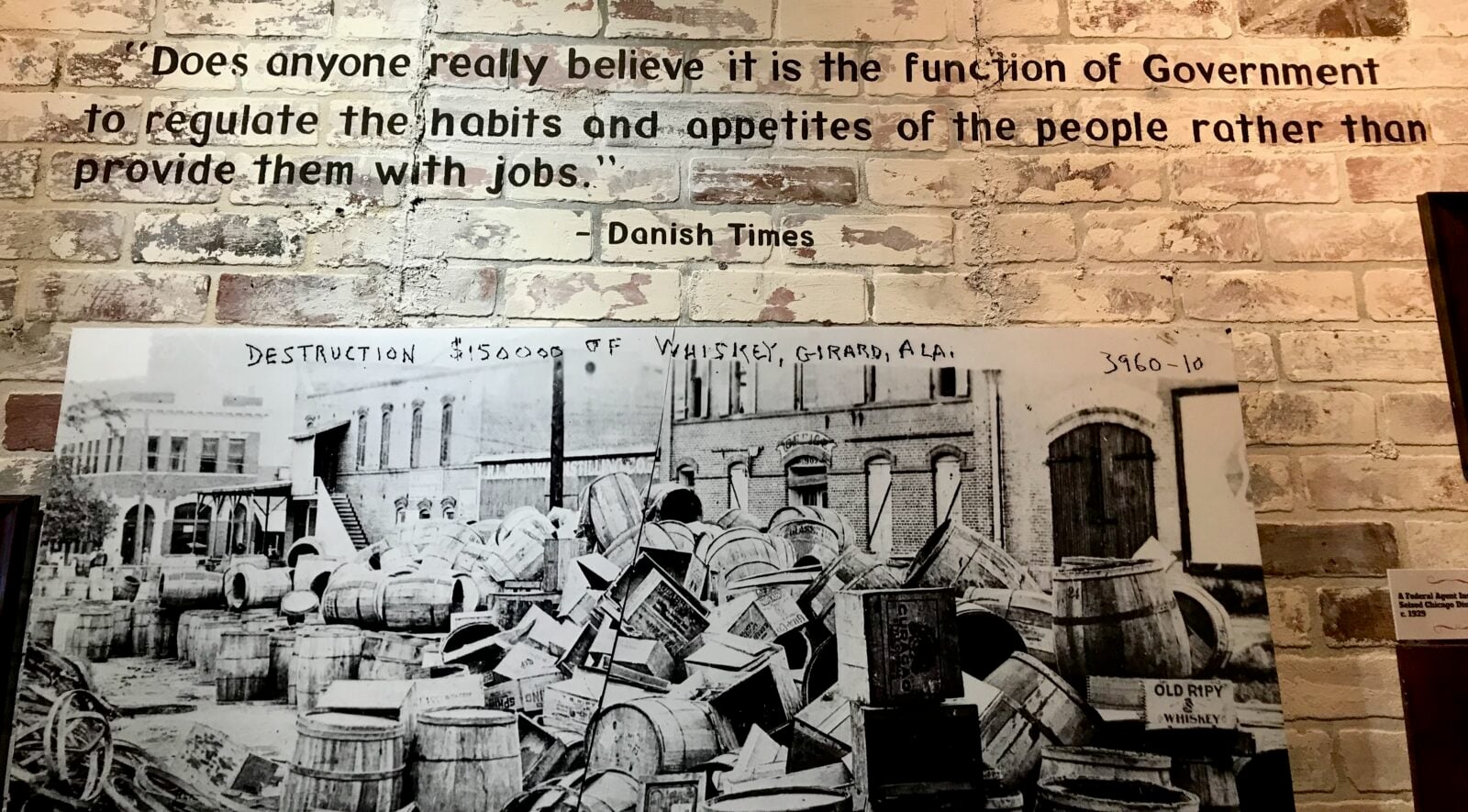
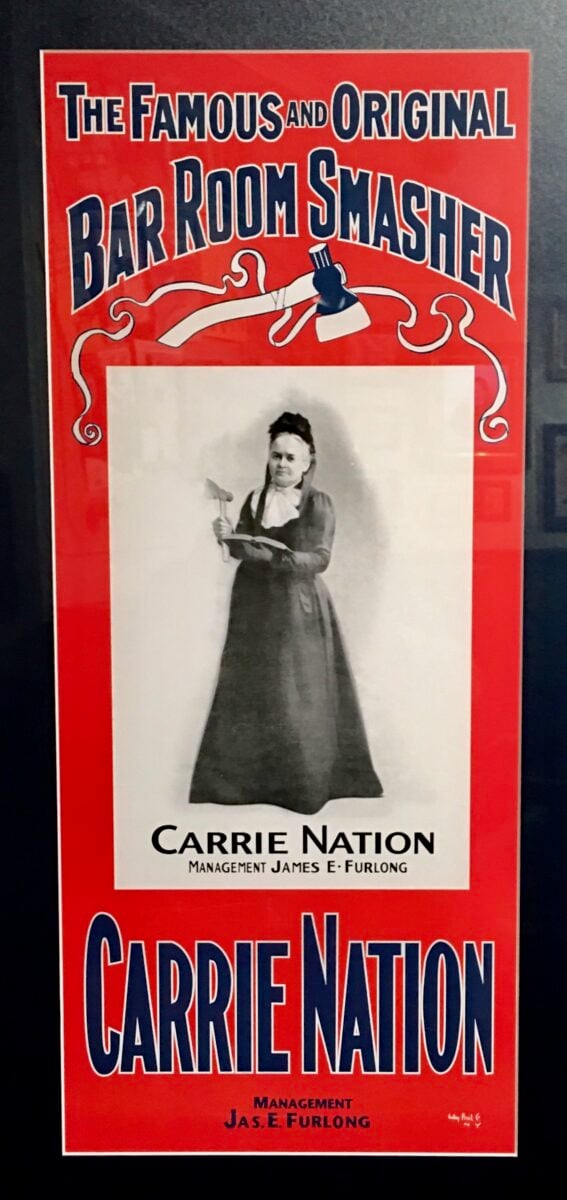
The Wet and Dry movements clashed with one another in the press, at church, at work, and on the streets. Women became active in politics and social unrest. Armed with hatchets, bottles, and rocks, Carrie Nation and her army of supporters from the Women’s Christian Temperance Movement took to Saloon wrecking with enthusiasm.
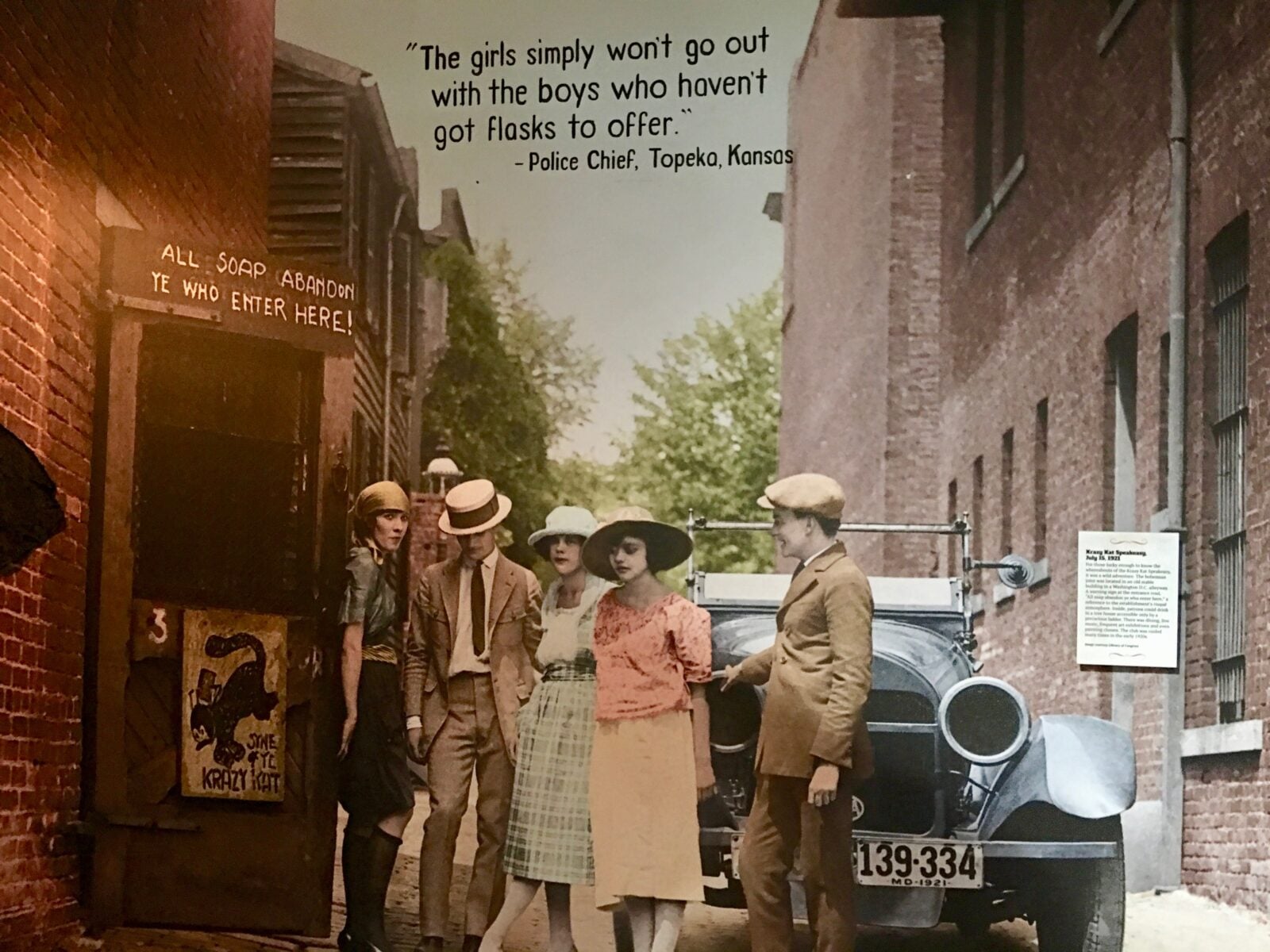
Women embracing social change discarded the Victorian-era dress and social conventions of the Roaring Twenties. For the first time in America, women worked outside the home at Speakeasies as waitresses, cigarette servers, bartenders, and escorts. In New York City alone, there were 32,000 Speakeasies by 1921.
Social drinking of alcohol and permissive sexual encounters increased as many women rejected centuries of Puritanical dicta in America.
Getting Around the Law
The Medical Profession
Prohibition is better than no liquor at all
~Will Rogers~
Doctors and pharmacists lobbied for liquor exemptions via the American Medical Association (AMA), citing the usefulness of alcohol for medicinal purposes. They won.
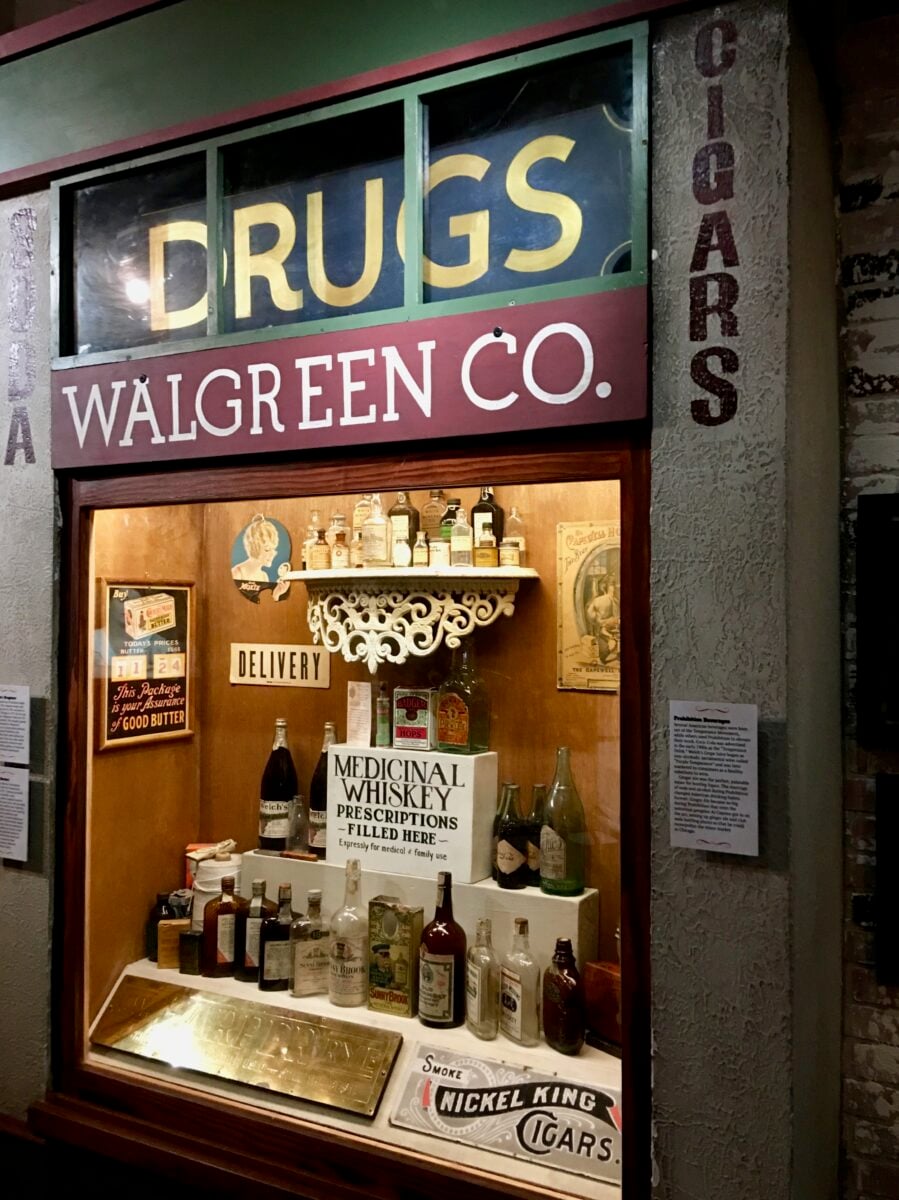
Within the first six months of Prohibition, 15,000 doctors and 57,000 pharmacists applied for licenses to prescribe whiskey to treat everything from sprained ankles to old age. Doctors made $40 million writing prescriptions and were the favorite guests at household socials. Ironically, their actions were hypocritical. The AMA aligned with the Temperance movement in 1917, three years before Prohibition, claiming alcohol had no medicinal properties.
The Walgreens drugstore chain saw remarkable growth during the era. It began with a single store in 1901 and grew to 525 outlets by the end of Prohibition in 1933. The company filled more prescriptions for medicinal whiskey than any other drugstore outlet. By 1921, their pharmacists ordered more than 8 million gallons of whiskey from federal warehouses.
The Rise of America’s Federal Law Enforcement
The US government built the massive Federal law enforcement complex we see today during Prohibition. Budgets increased 500%. An extensive record-keeping system was established to track citizens. The first cases of federal wiretapping of criminals began in 1927.
Most federal prisons were built during the era when convict populations grew by 400%. Prosecutions swamped the federal courts, causing the government to delegate enforcement actions to the states. Courts nationwide handled silly trials, such as Thelma Long’s case, leading to widespread plea bargaining for the first time in US history.
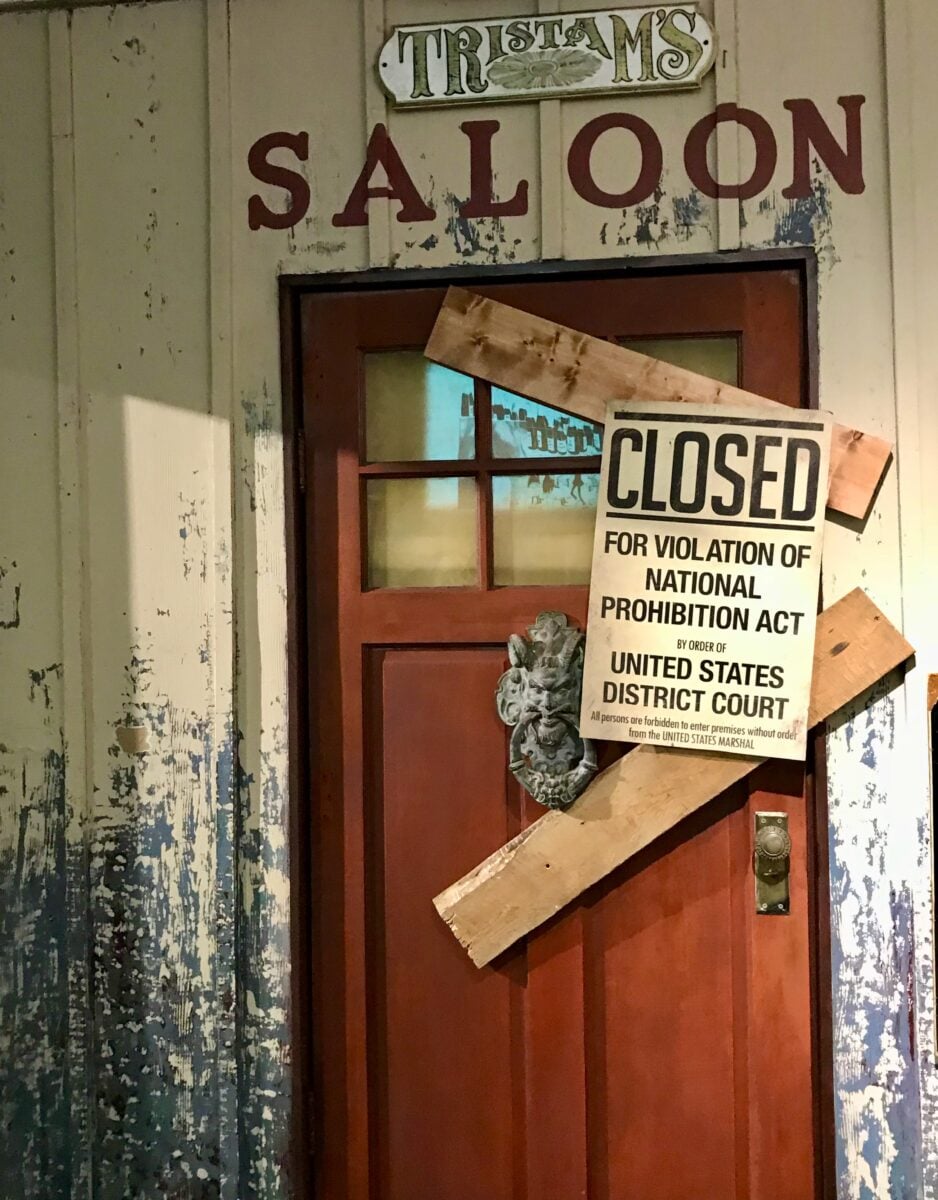
Underpaid, undertrained, and unqualified individuals were hired during the rapid expansion of law enforcement, leading to widespread public corruption and undermining the already limited confidence Americans had in the rule of law. Some enforcement officers went to jail. However, sham investigations by corrupt officers tarnished the reputations of thousands and destroyed families.
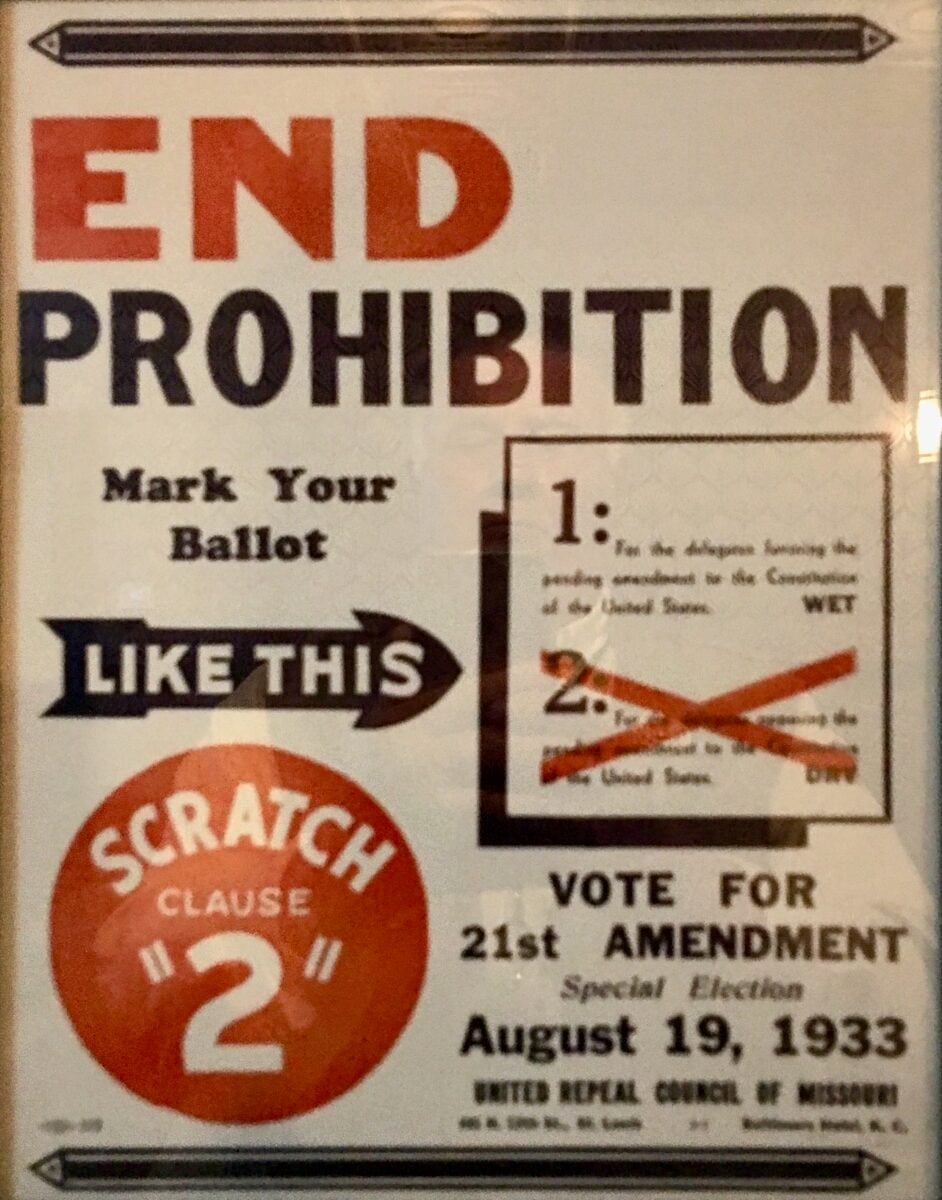
Prohibition ended in 1933 with the ratification of the 21st Amendment to the Constitution. But the federal government could not afford to lay off the federal workers hired to enforce the law. Doing so would have resulted in the dismissal of tens of thousands of federal employees. Instead, the Government created a new war, the war on drugs. It redirected workers to pursue this program, which continues to this day.
The Rise of America’s National Income Tax
Taxation of alcohol was a centuries-old method of funding the colonies, and later, the American states. Before prohibition, up to 40% of all US taxes were paid by brewers and distillers. Prohibition cut off this vital source of revenue.
Congress had no choice but to pass a national income tax to offset revenue shortfalls. In fact, the dominant Dry movement was so effective in shutting down alcohol sales that Congress passed the federal income tax in 1913, seven years before the enactment of prohibition.
Remaking America’s National Political Parties
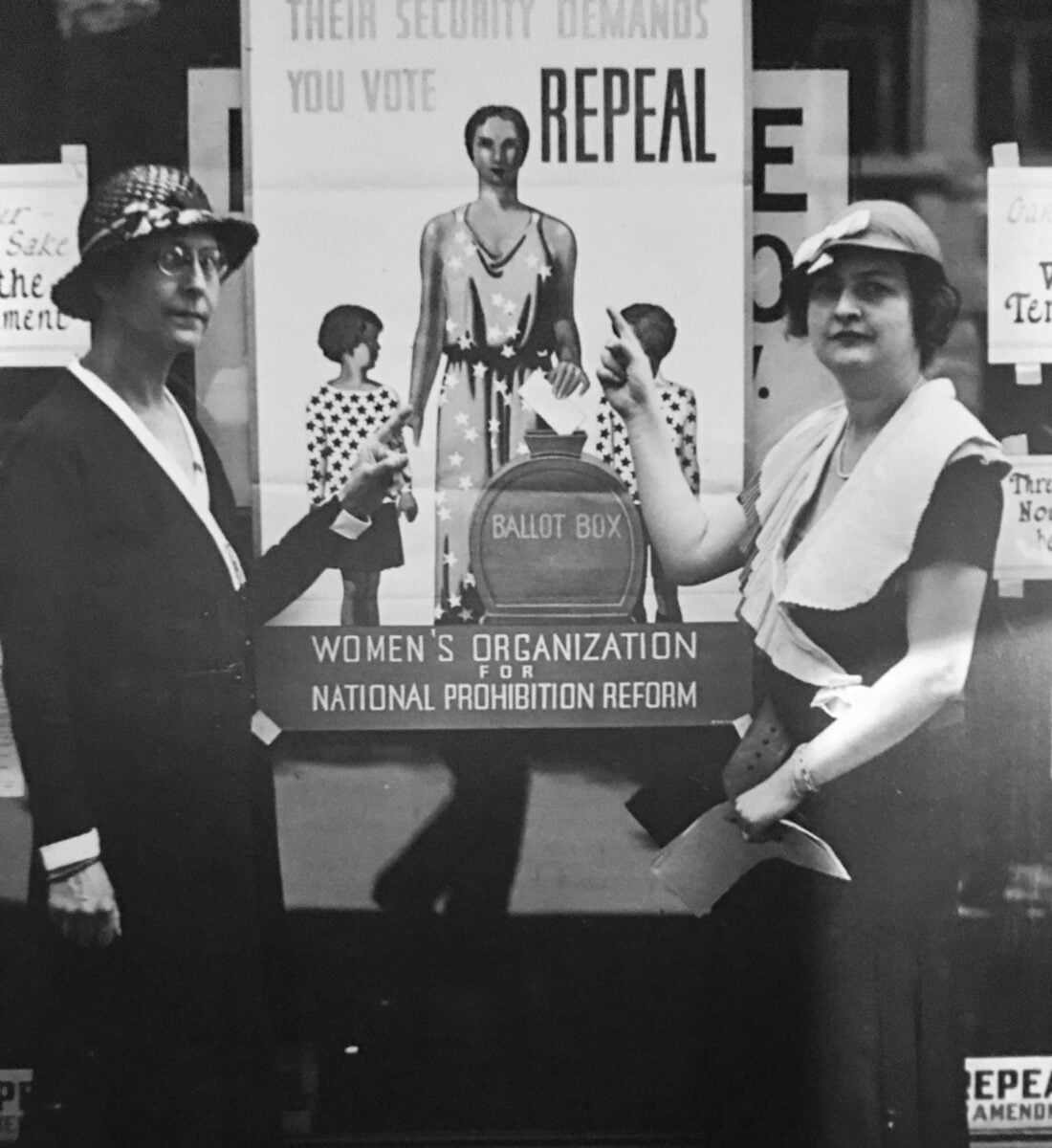
The Republican Party dominated the voting blocs in major cities before the prohibition era. Many party members were Evangelical Protestants and supporters of the constitutional ban on alcohol. But the unfavorable impact of prohibition triggered a rebellion among voters.
The End of Prohibition
On December 5, 1933, President Franklin D. Roosevelt signed the 21st Amendment to the Constitution of the United States to repeal the 18th Amendment and end Prohibition, and in doing so exclaimed, “…what America needs now is a drink ….”
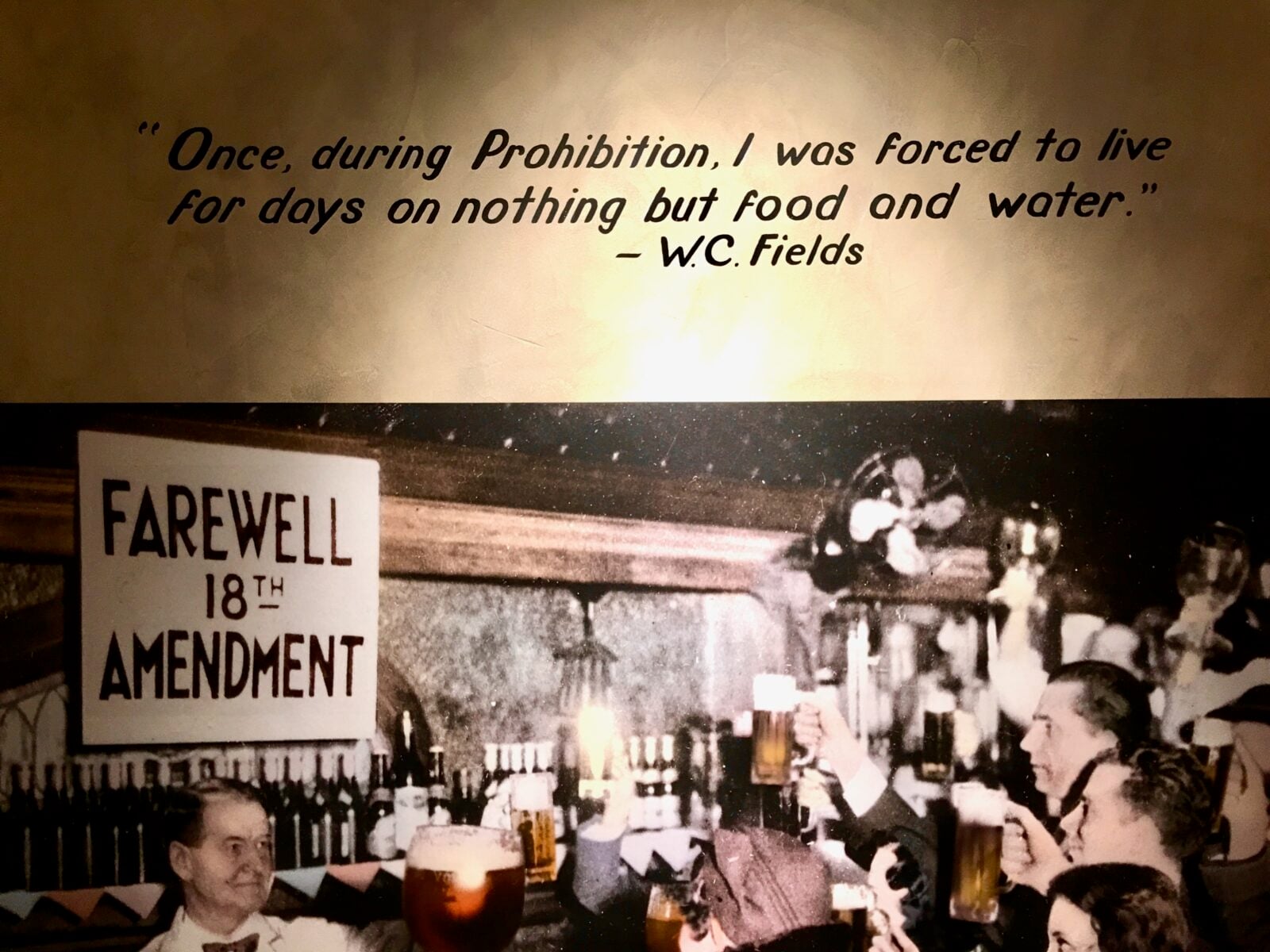
Crowds cheered outside the White House to express the collective relief of a Depression-era weary public as Roosevelt signed the Amendment. Headlines like Beer is back! Appeared on the front pages of newspapers across the country. Bars reopened within hours in some cities.
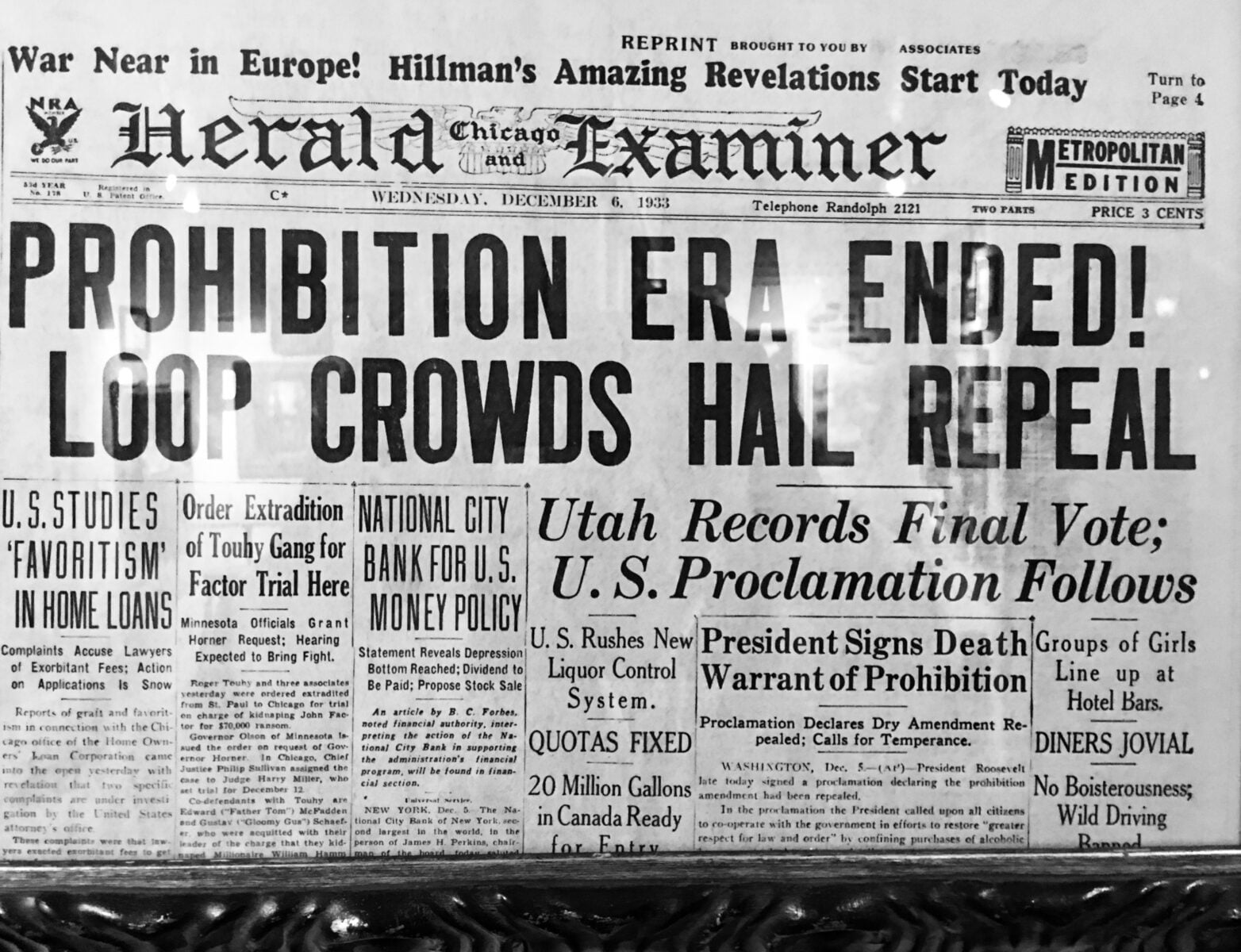
In New York, breweries like Schaefer and Rheingold rolled out trucks at midnight that were met by singing crowds. The brewing industry promised hundreds of thousands of new jobs (brewers, truckers, bartenders). States and the federal government anticipated billions in liquor taxes to fund Roosevelt’s New Deal programs.
Roosevelt’s action elevated the mood in the country during the Great Depression, creating a climate of hope and optimism essential to face the growing threat of World War II. His radio address and statement framed the repeal as a job and revenue creator and a return of personal liberty to residents in America.
Is the Past a Prologue?
The story of prohibition is a cautionary tale about governmental overregulation and what happens when a society overreacts to legislate morality. It’s a strident reminder of how citizens in a society need to recalibrate their collective moral compass for governance as they debate one another over social issues in the cultural town square, navigating the halls of democracy and totalitarianism.
Get the Full Story at the American Prohibition Museum in Savannah, Georgia
Mindful of Savannah’s flamboyant role during prohibition, Historic Tours of America opened the American Prohibition Museum in May 2017. It presents a treasure trove of prohibition memorabilia. In this mock speakeasy, you can order drinks of the era, enjoy a wealth of tidbits and anecdotes thoughtfully organized, and watch a video history of the era.
It’s little wonder Historic Tours picked Savannah as the site for this museum. To this day, locals proudly advertise the city’s reputation as a party town and its rich history.
This place isn’t just a tourist attraction. It’s a priceless piece of Americana that will trigger critical thought and reflection by all who visit. There’s nothing else like it in America. This museum is a must-visit attraction in Savannah, Georgia, for those with an interest in history, culture, and public policy.
This is a companion discussion topic for the original entry at https://leisurevans.com/blog/savannah-and-prohibition-history/