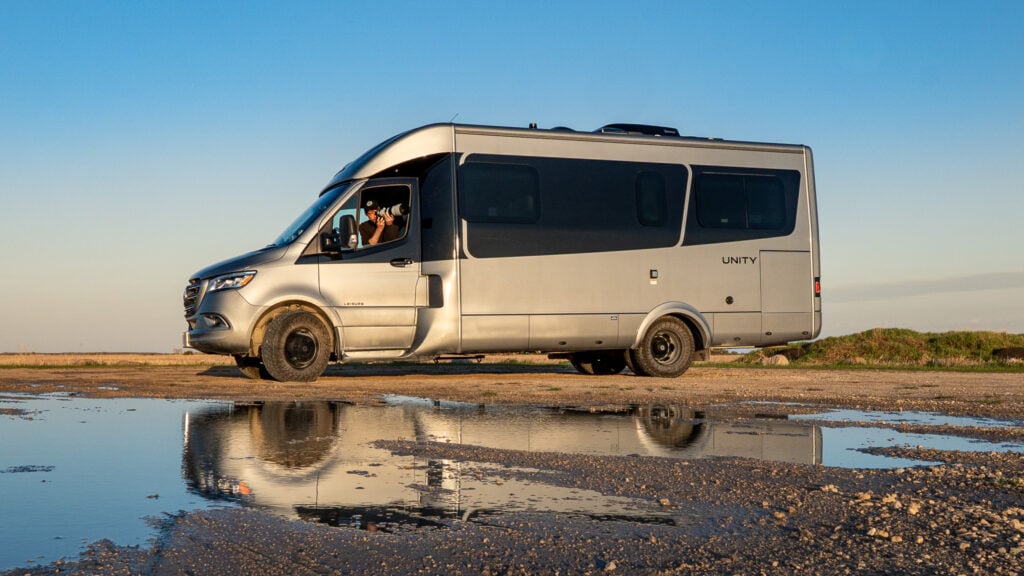
As a wildlife photographer, I’ve learned that the best birding days rarely follow a schedule.
Some mornings begin long before sunrise. Others end well after sunset when the last golden light disappears behind the horizon. Sometimes a rare bird appears unexpectedly, or a marsh suddenly fills with thousands of migrating ducks overnight. The more flexibility you have, the better your chances of being in the right place at the right time.
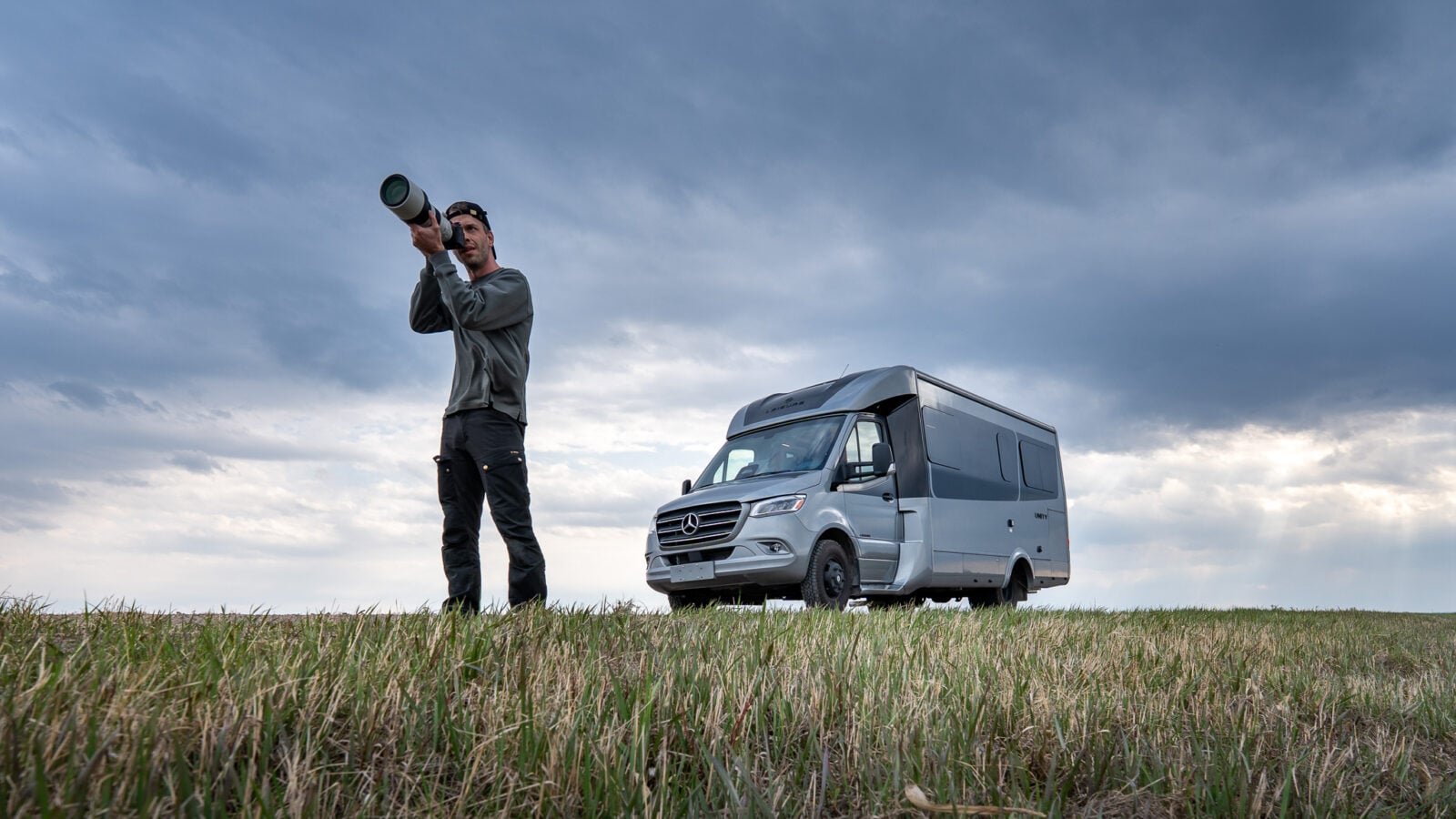
That was exactly why traveling in Manitoba in the Leisure Travel Vans Unity made so much sense for this trip.
Over just over seven days, I traveled through wetlands, boreal forest, prairie grasslands, lakeshores, and one of Canada’s most wildlife-rich national parks. Rather than checking into a different hotel every evening, the Unity became my base throughout the journey. It allowed me to stay close to each birding destination, adjust plans as migration and weather changed, and spend more time outside where I wanted to be.
After covering thousands of kilometers across Manitoba, I came away with a good understanding of where the Unity fits into a trip like this—not as the focus of the adventure, but as something that made the experience simpler and more enjoyable.
Designed for the Way Wildlife Photographers Travel
Bird photography is unlike most styles of travel.
Your schedule revolves around sunrise and sunset, not restaurant reservations or hotel check-in times. Some mornings begin before 5 a.m., while afternoons might be spent reviewing images, charging camera batteries, organizing gear, or simply waiting for evening light.
After a few days on the road, I realized the Unity naturally fit that routine.
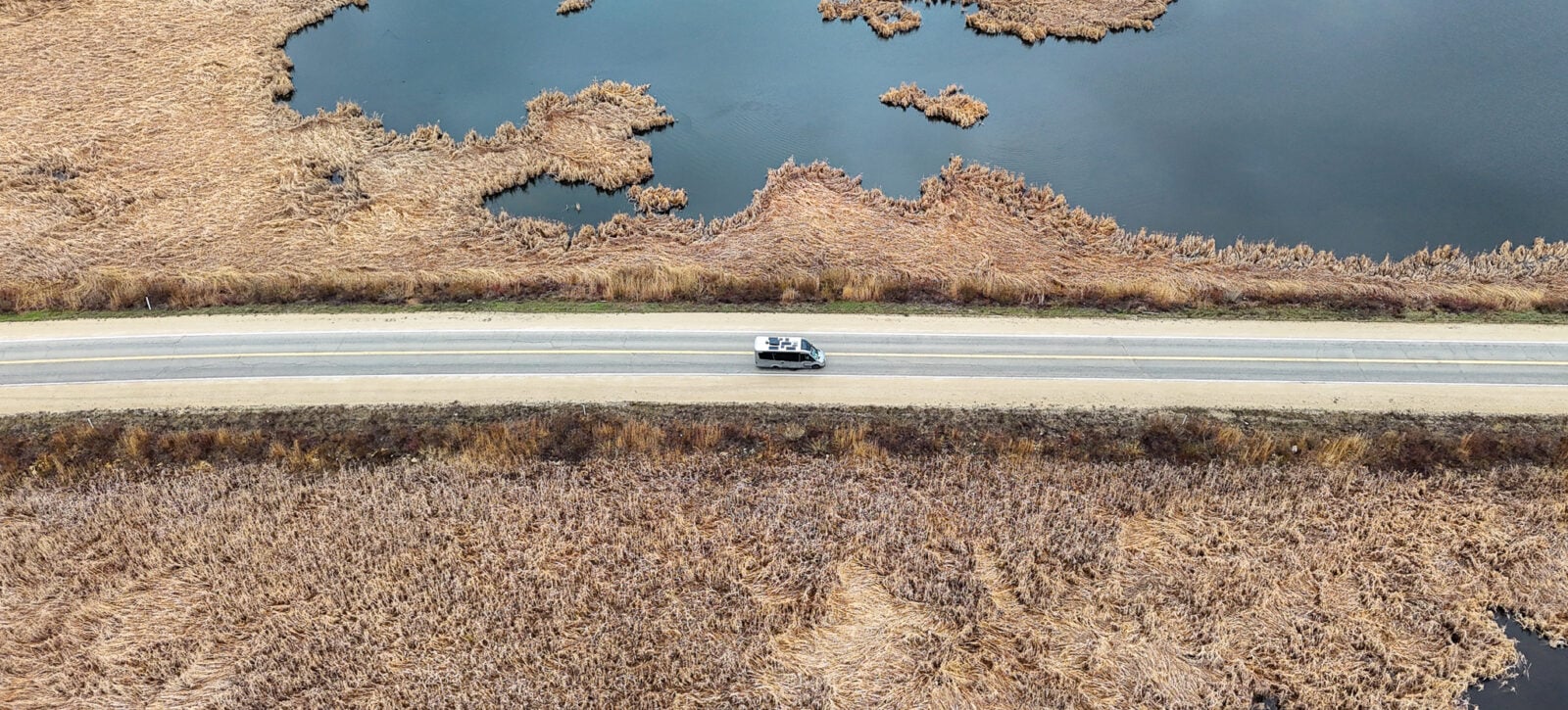
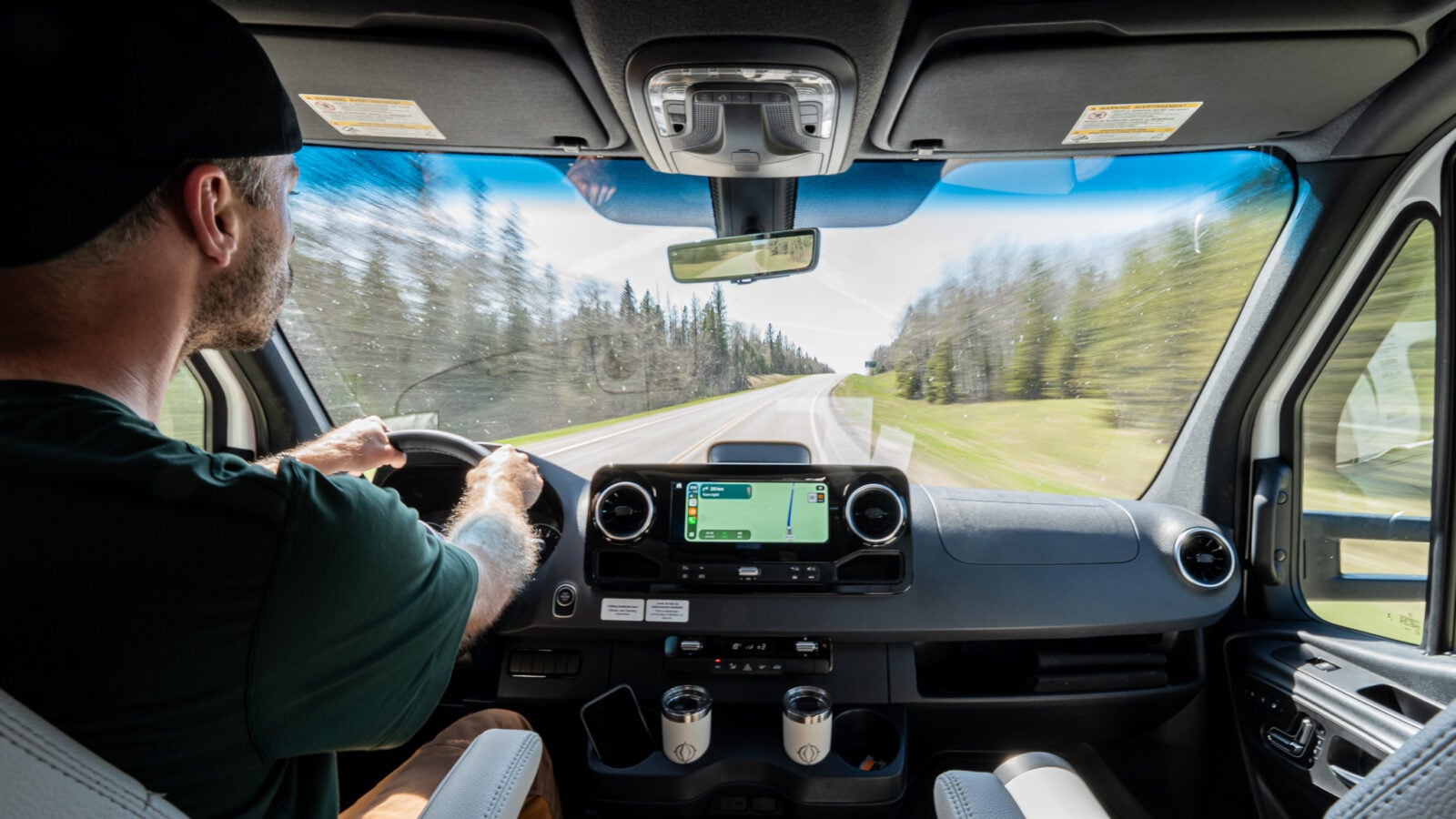
Built on the Mercedes-Benz Sprinter chassis, it was comfortable to drive on both highways and winding park roads, while remaining compact enough to navigate campgrounds, marsh roads, and scenic pullouts without feeling oversized.
Driving between Manitoba’s birding locations never felt like a chore. Whether it was highways between parks or smaller access roads leading to marshes and campgrounds, it was an easy vehicle to spend long days in.
A Comfortable Basecamp Between Birding Sessions
One thing I noticed after the first couple of days was how often I returned to the Unity throughout the day.
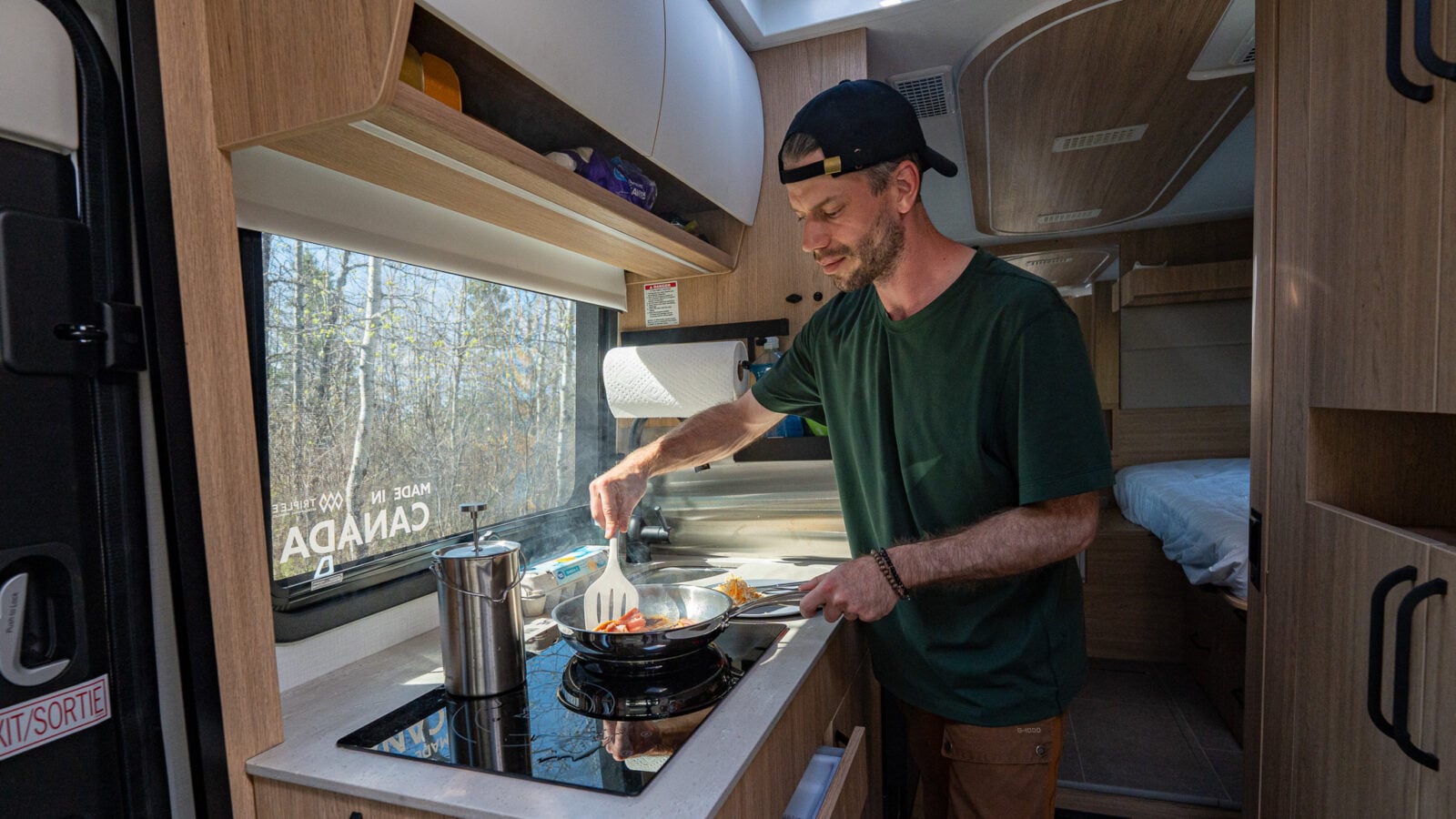
After spending hours photographing warblers in the forest or shorebirds along the lake, it was nice to return to a quiet space to download memory cards, recharge camera batteries, prepare lunch, or simply relax before heading back out for the evening.
Rather than spending the middle of the day searching for somewhere to sit or eat, everything I needed traveled with me.
Those little moments made the long photography days feel much more enjoyable.
Storage That Works for Outdoor Adventures
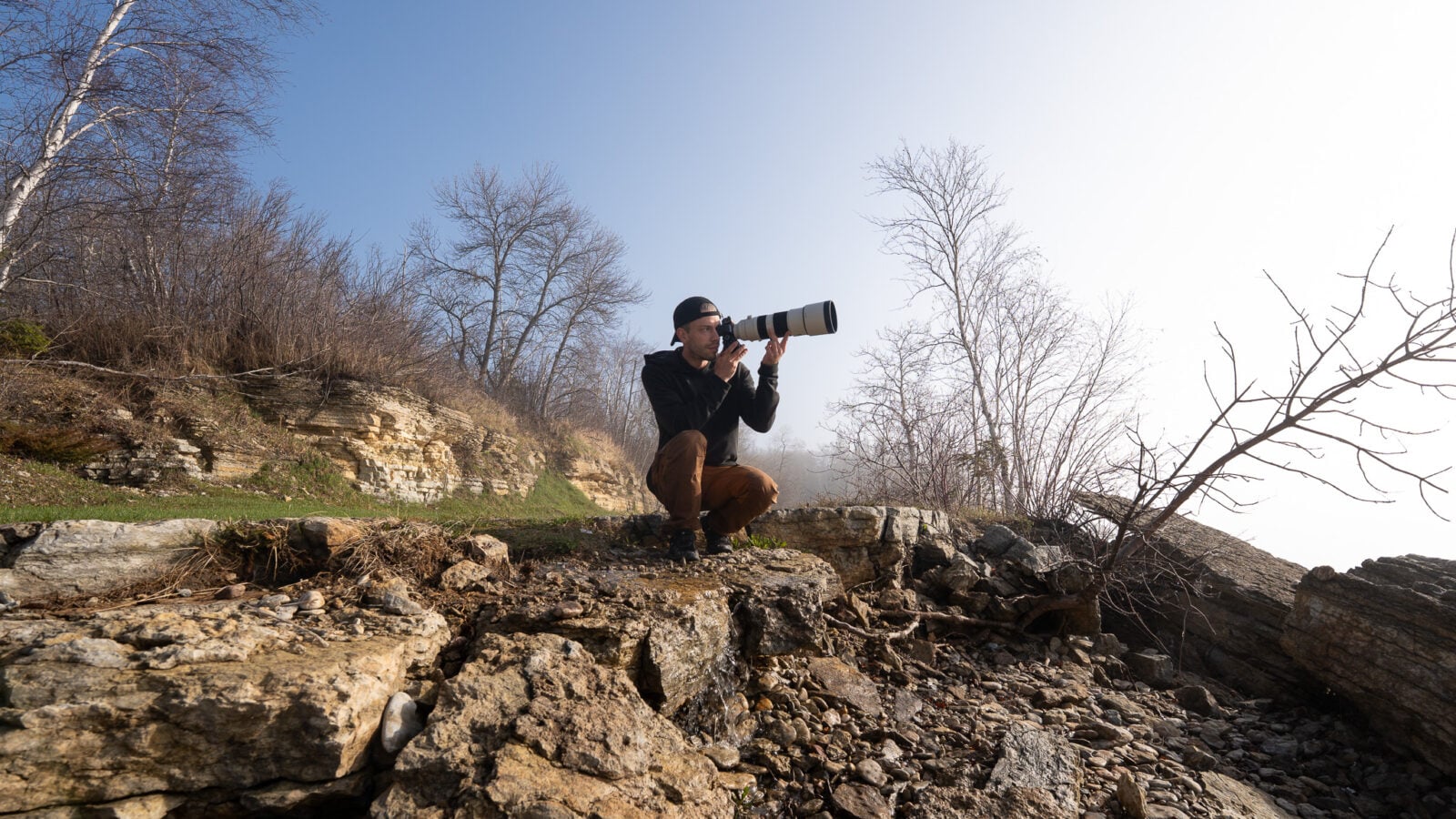
Wildlife photography isn’t exactly light on equipment. Between camera bodies, long telephoto lenses, tripods, binoculars, rain gear, and hiking equipment, things add up quickly.
I found there was enough space to keep everything organized without constantly moving gear around or living out of cases.
Following the Migration Across Manitoba
This route also highlighted one of the biggest advantages of traveling in the Unity—I could simply follow the migration.
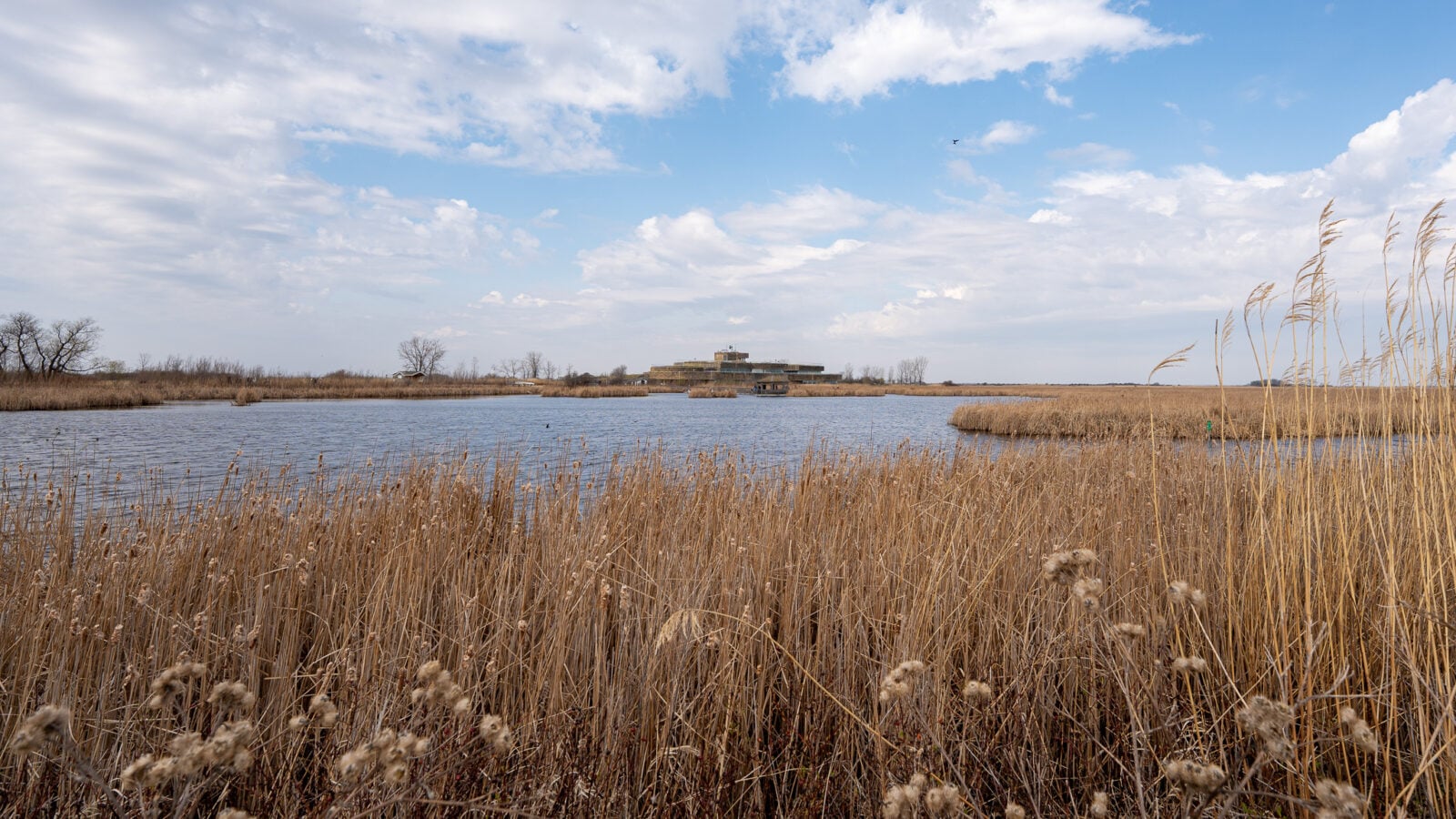
The adventure began in Winnipeg, before heading down to Winkler to pick up the Unity, before heading to Oak Hammock Marsh—one of Canada’s most underrated birding destinations. After spending the day photographing thousands of migrating waterfowl, I settled into Birds Hill Provincial Park Campground, where the next morning I was only minutes away from beautiful forest trails filled with colorful spring warblers and songbirds.
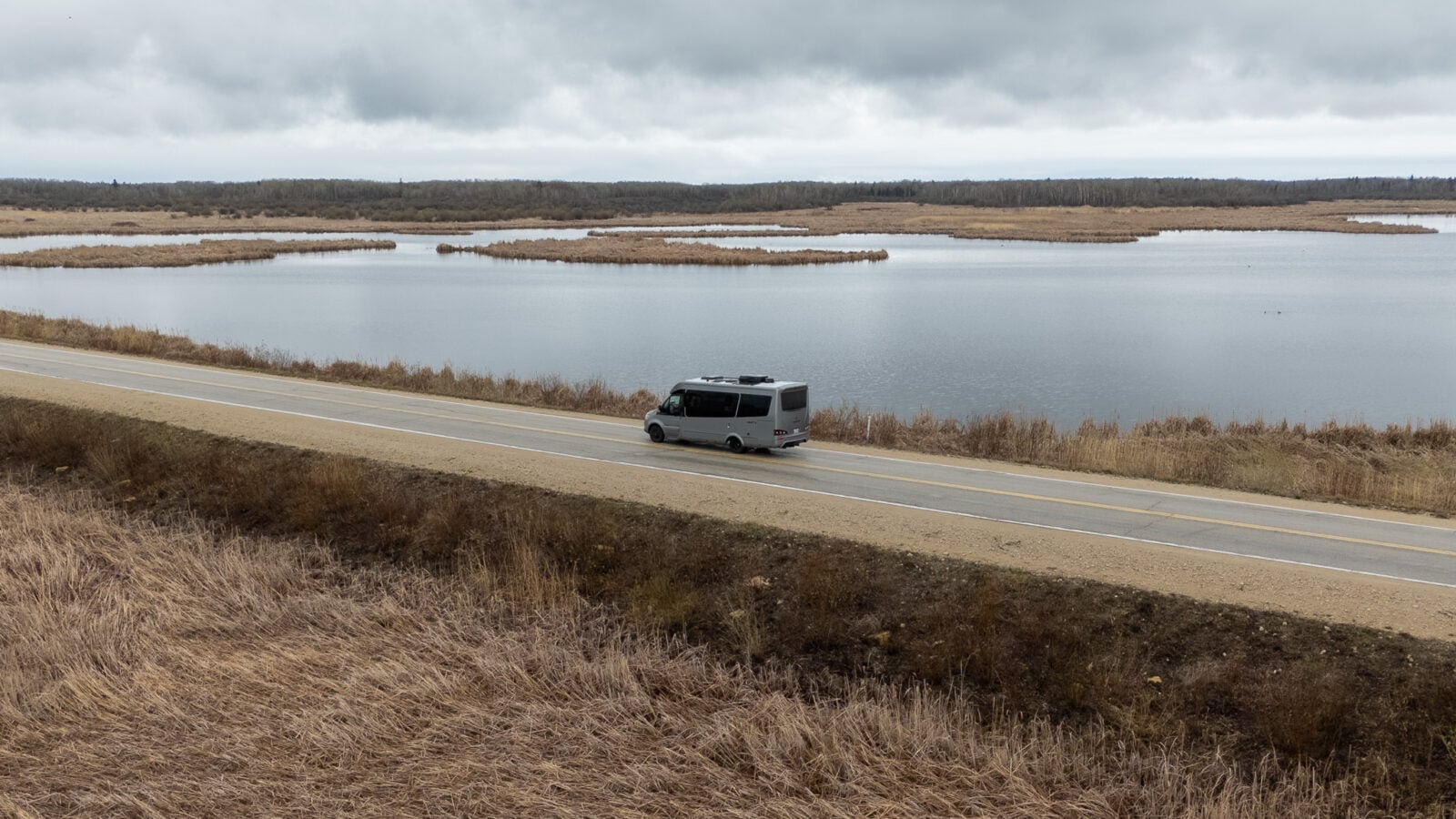
From there, I continued north, making a stop at the incredible Narcisse Snake Dens before arriving at Hecla Provincial Park. Waking up along the shores of Lake Winnipeg meant I could photograph loons, ducks, and shoreline birds in the soft morning light before exploring the park’s forests later in the day.
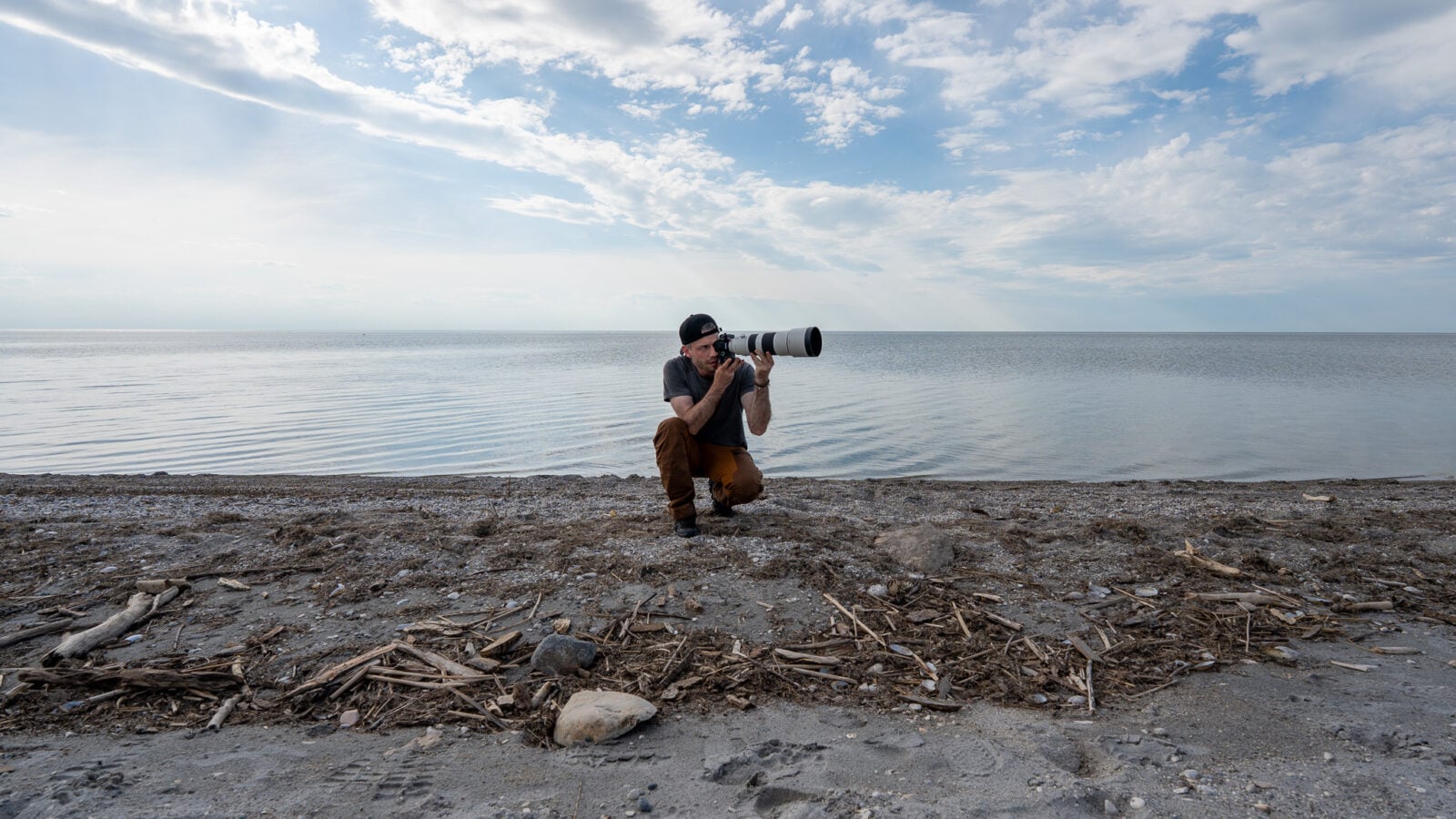
The journey then took me west to St. Ambroise Provincial Park, where expansive beaches and mudflats became the perfect place to search for migrating songbirds while enjoying some of the most spectacular sunsets of the trip.
Finally, I wrapped up the adventure at Riding Mountain National Park, where several days of exploring scenic drives and forest trails produced not only fantastic bird photography but also memorable encounters with black bears, elk, beavers, and other wildlife.
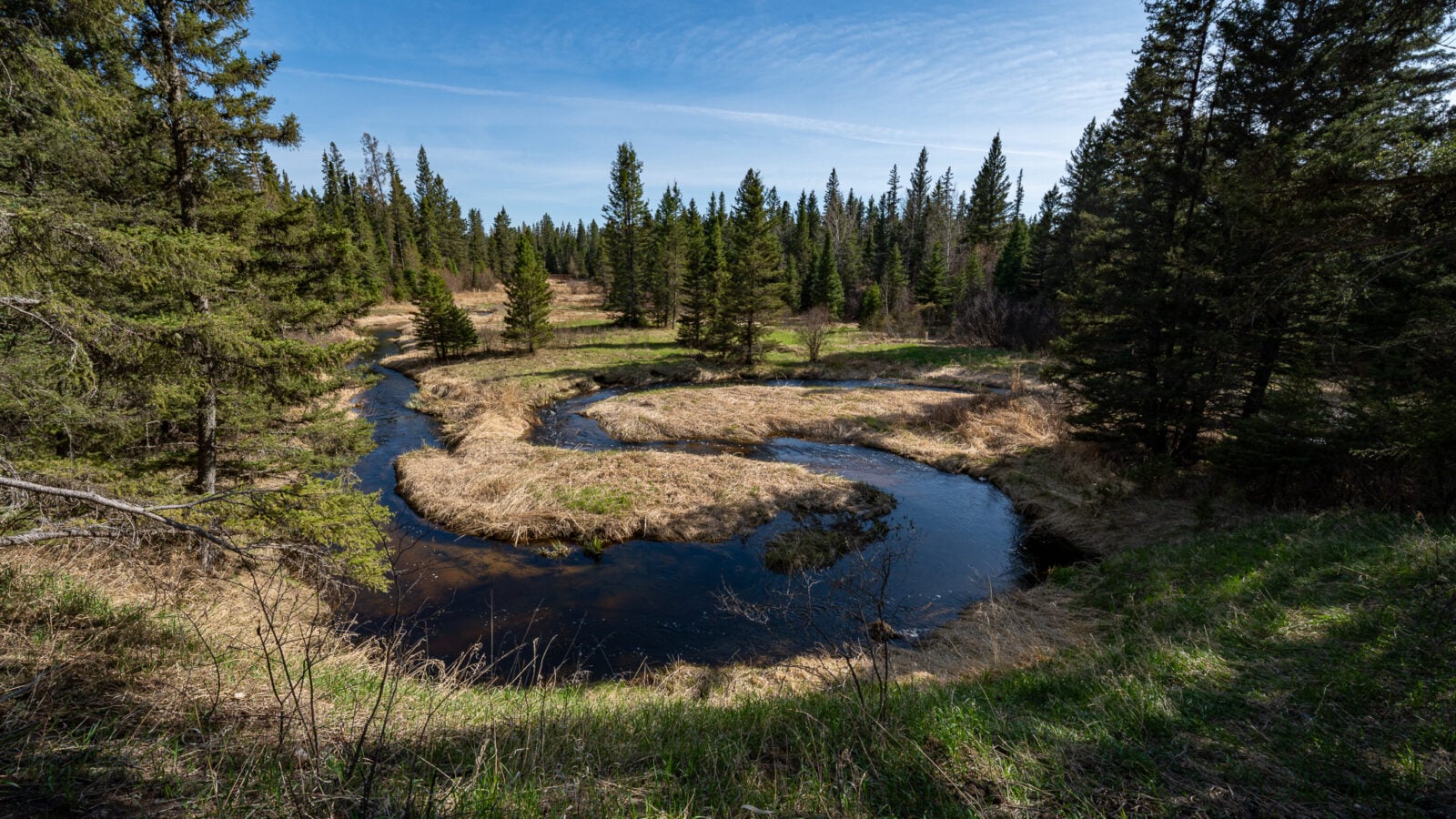
Traveling this route in the Unity made the experience feel effortless. Rather than spending hours driving back and forth from hotels, I was able to camp inside or just minutes from each destination, making it easy to be on location before sunrise and stay until the last light of the day. For wildlife photography, those extra hours in the field often make all the difference, and having the Unity as my basecamp allowed me to spend more time immersed in nature and less time worrying about the logistics of the journey.
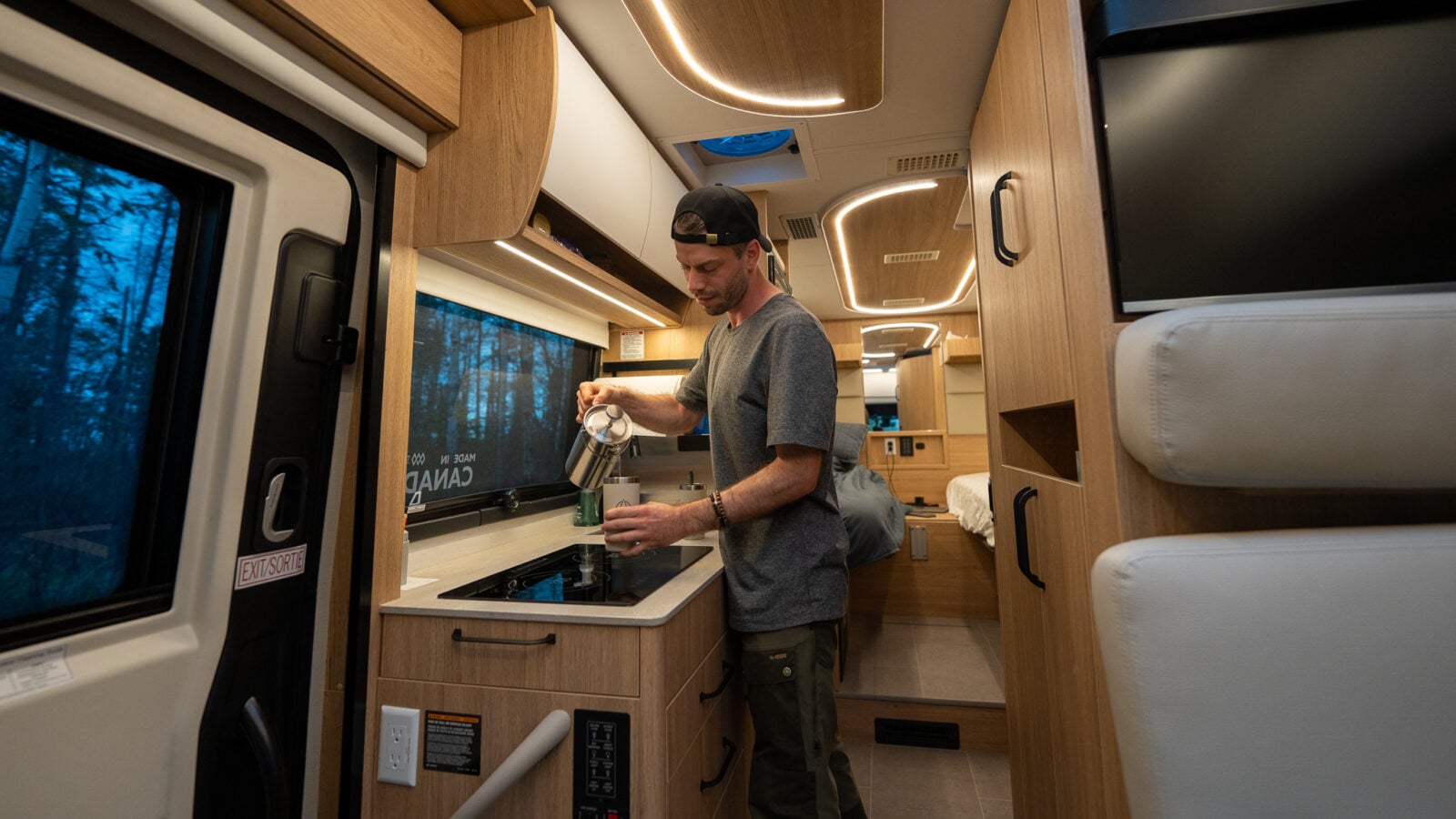
Comfort Without Feeling Oversized
Before the trip, I was curious how the Unity would feel over a full week of driving. It had been quite a while since I had driven around in a similar-sized RV.
By the end of the trip, one thing stood out—it never felt overly large on the road, but once parked, it offered far more living space than I expected.
At roughly 25 feet long, it never felt intimidating to drive, yet once parked, it offered the comforts you’d normally associate with a much larger motorhome.
That proved especially useful when traveling between Manitoba’s diverse destinations—from Winnipeg to Oak Hammock Marsh, north to Hecla, west to Riding Mountain, and everywhere in between.
Whether arriving at provincial park campgrounds, stopping at roadside viewpoints, or navigating smaller communities between destinations, the size felt like a good balance for the type of travel I was doing.
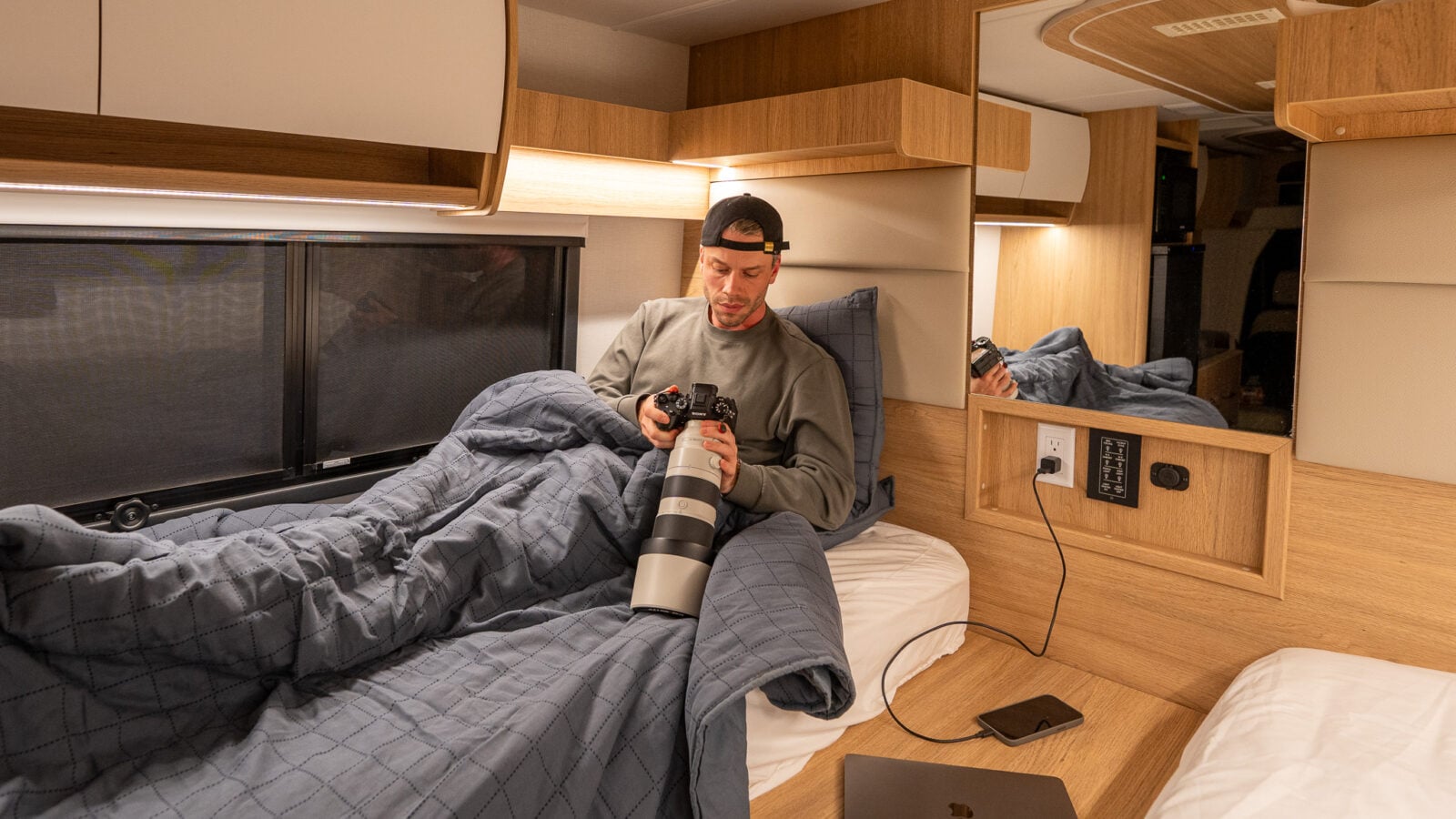
The Perfect Place to Recharge—Yourself and Your Camera Gear
Wildlife photography isn’t just physically demanding; it also demands a lot from your equipment.
Every evening followed a familiar routine. Downloading thousands of photos, changing camera batteries, cleaning lenses, planning the next morning’s location, and reviewing weather forecasts.
The Unity gave me a comfortable place to prepare for the next day without feeling like I was living out of camera bags.
Having one consistent space to do that every evening made the photography side of the trip much easier.
Built for Every Kind of Manitoba Weather
Manitoba weather changes quickly during spring migration. Some mornings were cold, others windy, and a few included rain.
Having somewhere comfortable to warm up, dry equipment, or simply take a break before heading back out made a noticeable difference throughout the trip.
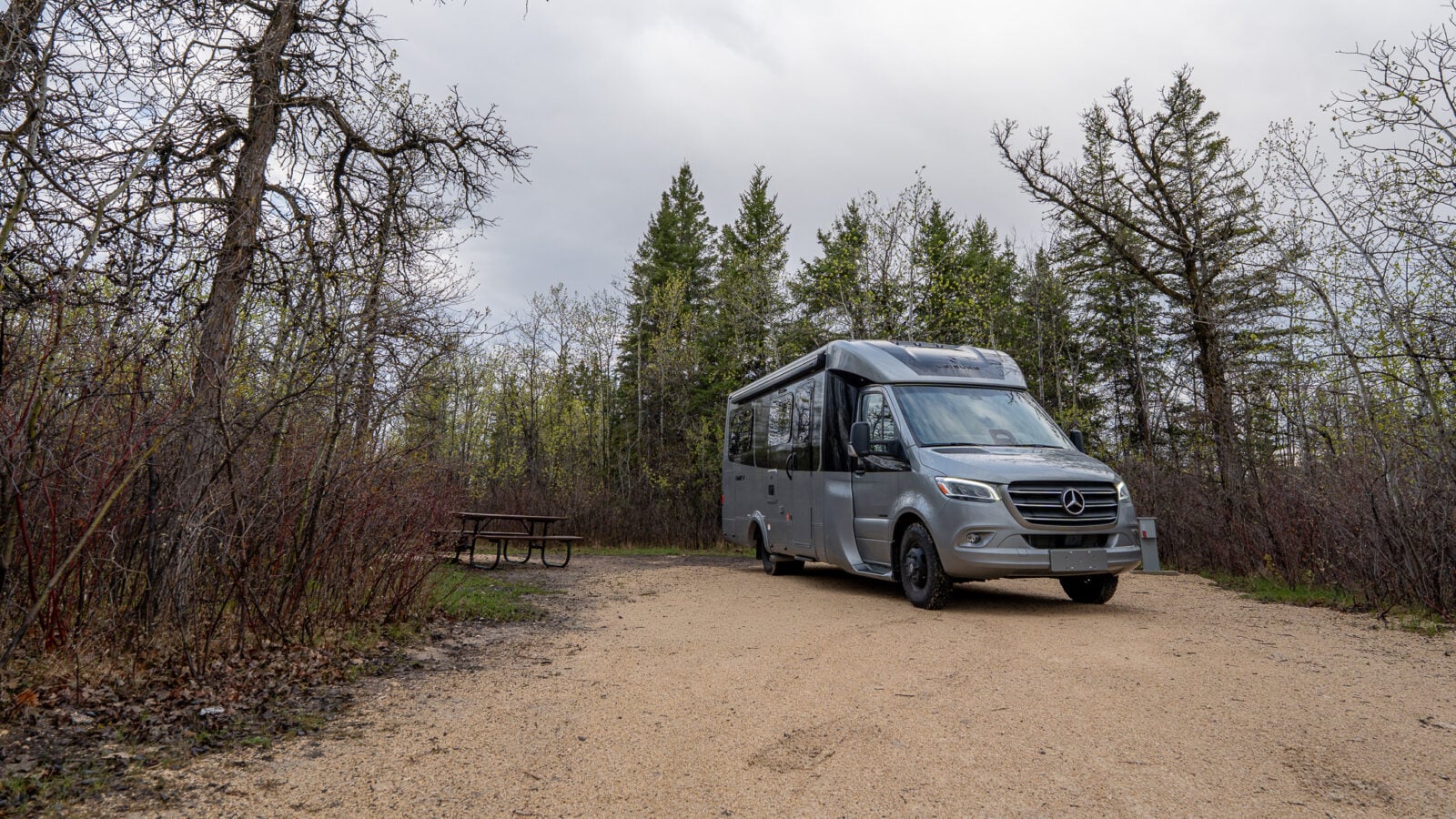
The Journey Was the Easy Part of the Experience
Some of my favorite memories weren’t actually photographing birds. They were the drives between destinations. Watching prairie landscapes stretch to the horizon, crossing quiet backroads, stopping whenever something caught my eye, finding unexpected wildlife,a nd pulling over simply because the light looked beautiful.
Having the flexibility to stop whenever something caught my eye became one of my favorite parts of the trip.
Without a rigid itinerary, it became easy to follow curiosity, and that’s often where the best wildlife encounters happen.
Why the Unity Fits the Birding Lifestyle
Every birder travels a little differently. Some chase life lists, some enjoy relaxed walks through nature. Others, like me, spend countless hours behind a camera, hoping everything comes together for a single photograph.
What they all have in common is flexibility. The ability to start early, stay out late, follow the weather, and move when migration shifts.
The Unity complements that style of travel remarkably well.
After spending more than a week exploring Manitoba, I came away thinking that Unity is particularly well-suited to this style of travel. It isn’t about luxury—it’s about having a comfortable, practical base that allows you to spend more time outside and less time thinking about logistics.
Birds That Made This Manitoba Spring Migration Trip Memorable
One of the highlights of traveling across Manitoba in spring wasn’t just visiting incredible birding destinations; it was discovering how different each location was. Every stop introduced new habitats, new species, and new photography opportunities. From vibrant songbirds tucked into woodland edges to colorful marsh specialists and migrating shorebirds along the shores of Lake Winnipeg, every day brought something else unexpected.
Here are a few of my favorite birds from the trip and some of the techniques I used to photograph them.
Baltimore Oriole
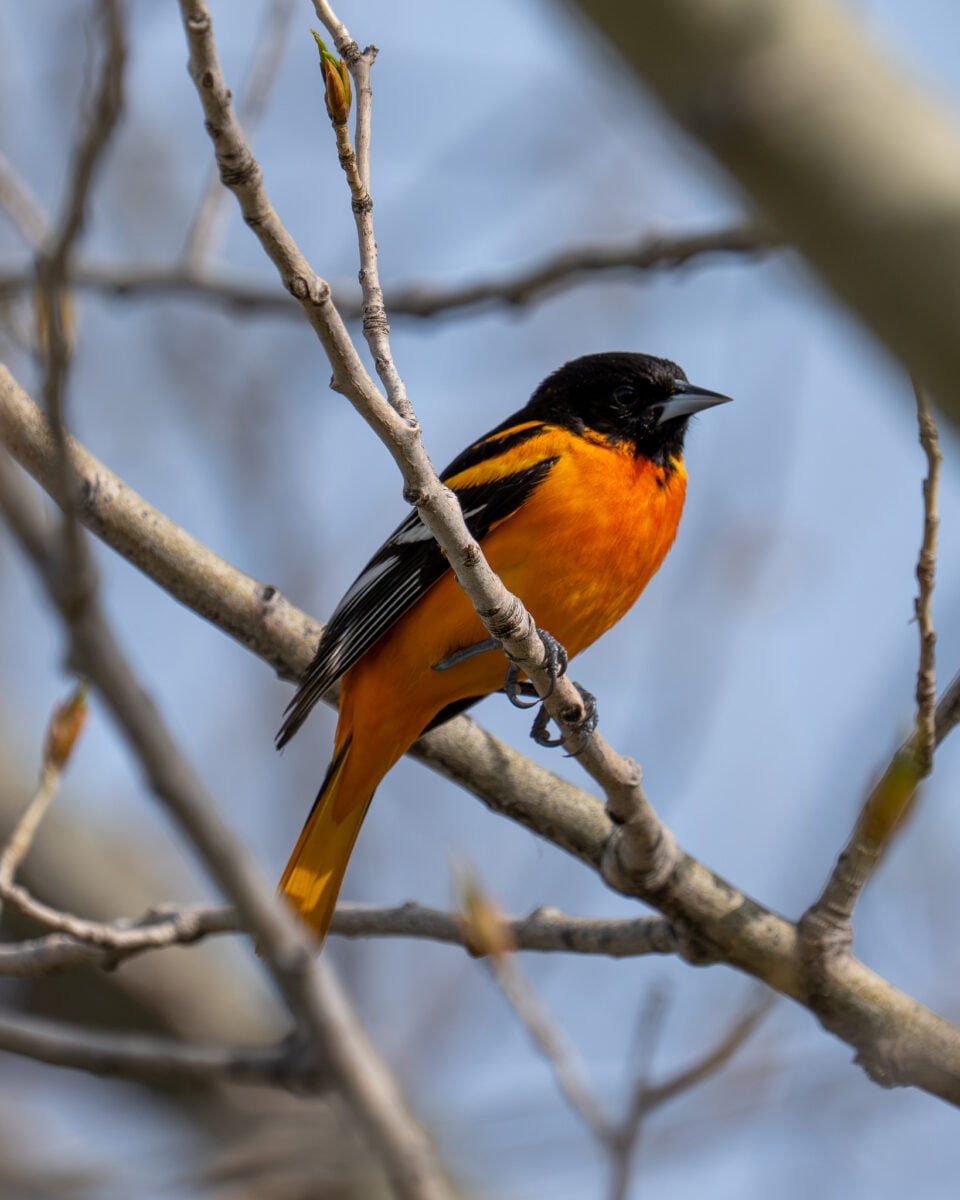
The Baltimore Oriole was one of the most colorful birds I photographed during the trip. Their brilliant orange plumage almost glows in the morning sunlight, making them surprisingly easy to spot despite often staying high in the trees. St. Ambroise proved to be an excellent place to find them feeding and singing throughout the day.
Photography Tip: Orioles rarely stay still for long. I found it best to watch where they repeatedly returned to perch rather than chasing them through the trees. Patience almost always rewarded me with a clean composition.
Yellow Warbler
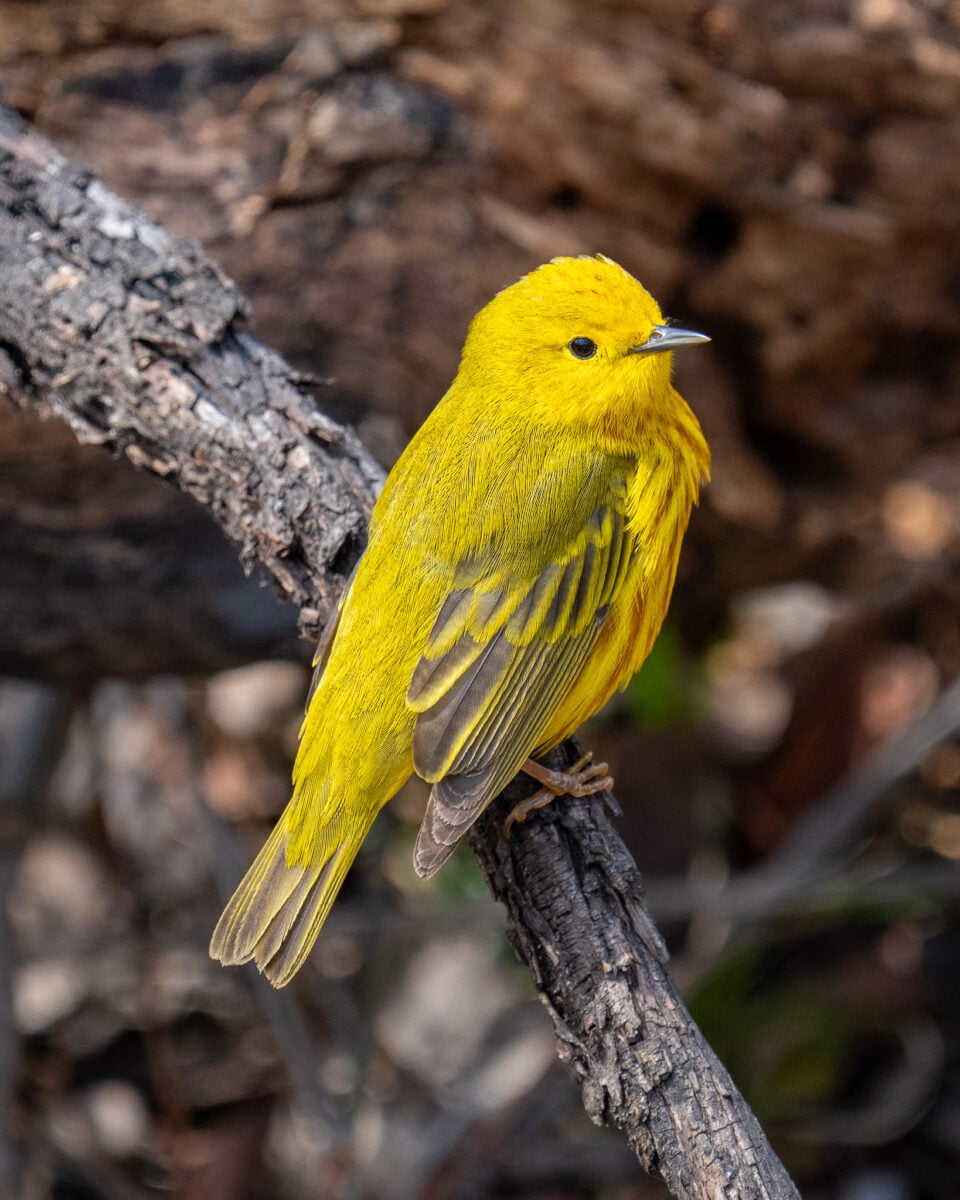
Most people visit Narcisse for the incredible snake dens, but the surrounding woodlands were filled with migrating warblers. Yellow Warblers seemed to be everywhere, filling the forest with song while feeding among the fresh spring bugs in the sanke pits. Their bright yellow plumage made them one of the easiest warblers to locate.
Photography Tip: Instead of trying to photograph them deep inside the canopy, I looked for lower branches near trails where they often dropped down to feed. They also went into the snake pit areas to try to forage for bugs.
Yellow-Headed Blackbird
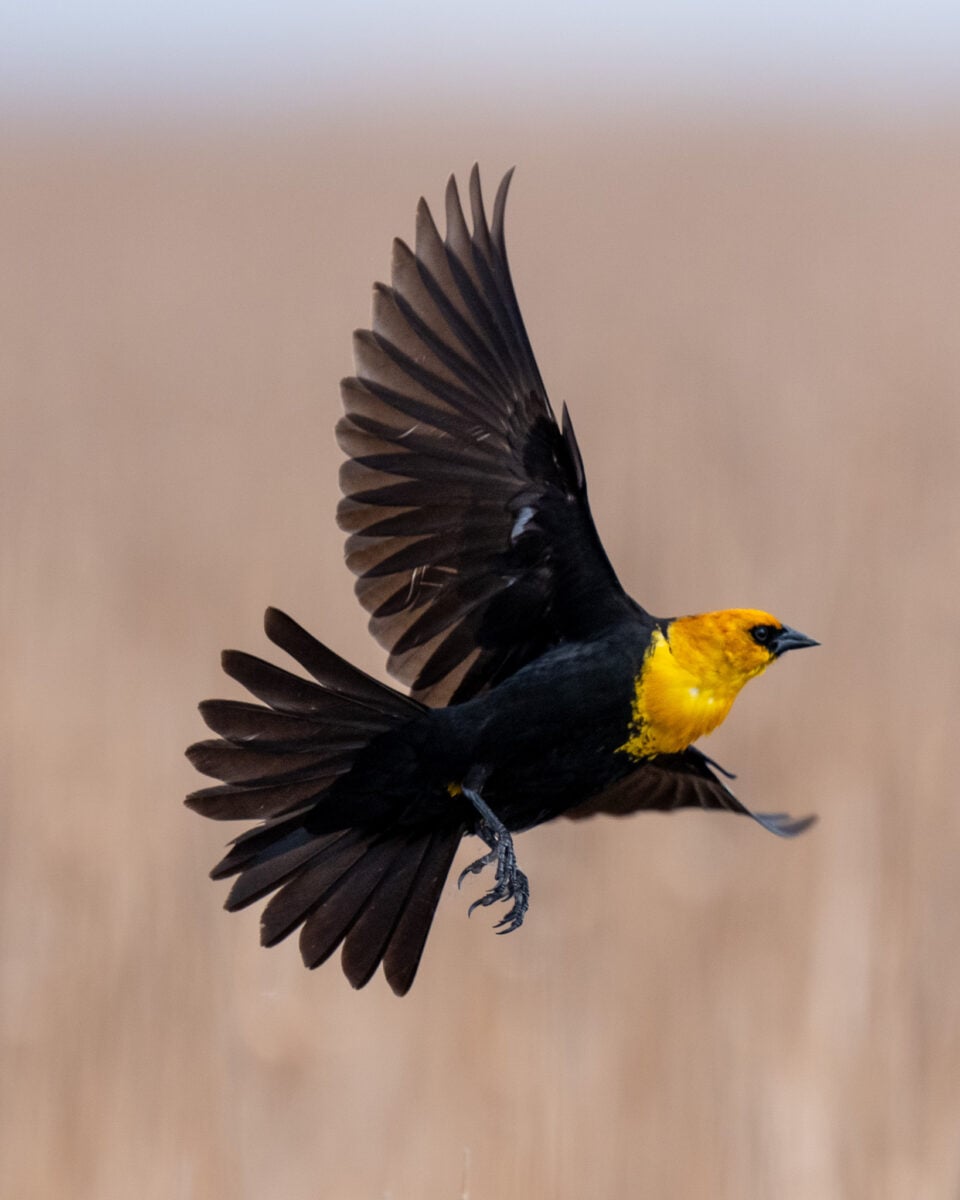
One of Manitoba’s signature marsh birds, the Yellow-Headed Blackbird, was impossible to ignore. Their bright, golden heads contrasted beautifully against cattails, while their unmistakable calls echoed across the wetlands. Watching males display and defend their territories was one of the highlights of visiting Oak Hammock Marsh.
Photography Tip: Photograph these birds early in the morning when the marsh is calm and the light is soft. Position yourself so the reeds create a clean background rather than intersecting the bird.
Yellow-Rumped Warbler
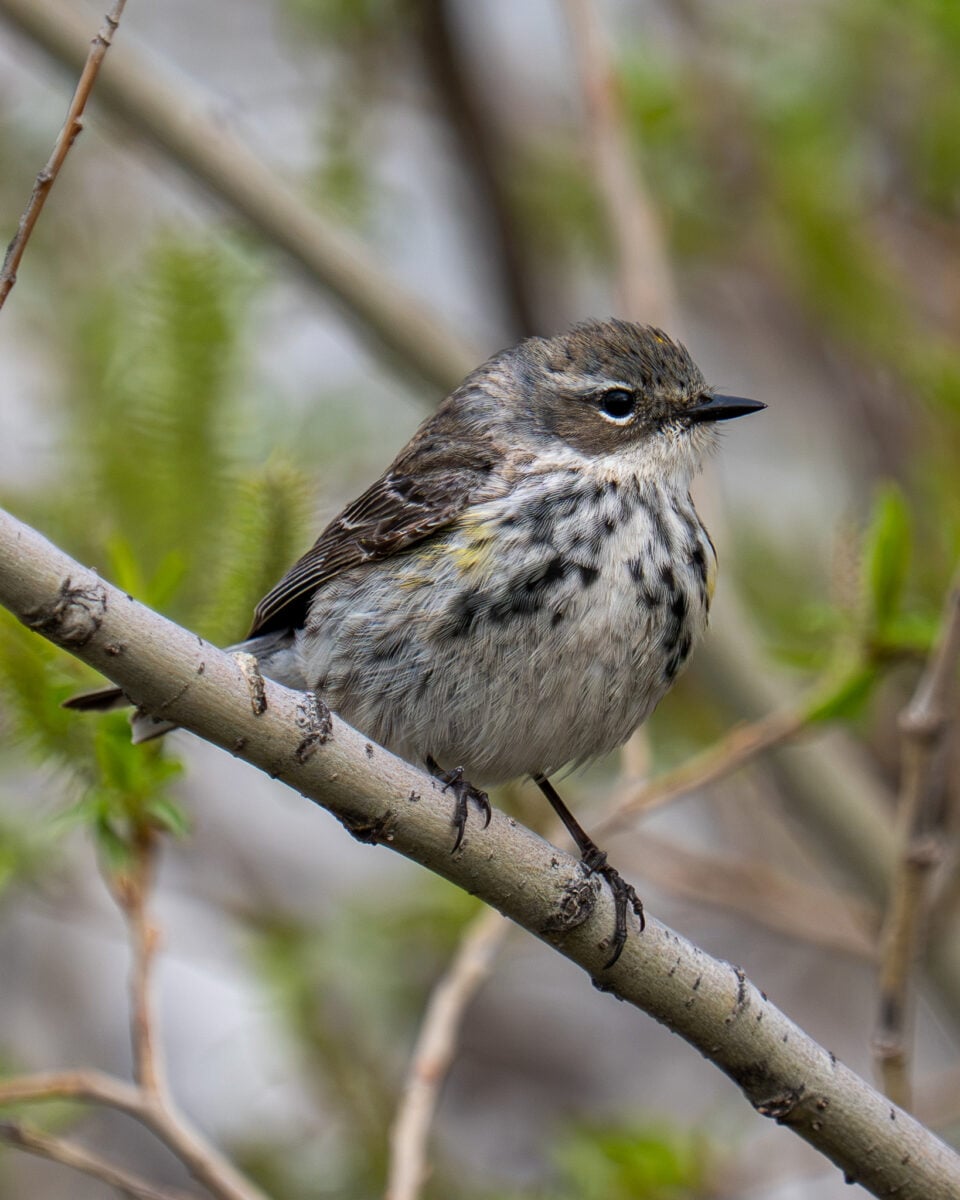
Birds Hill Provincial Park was alive with migrating songbirds, and Yellow-Rumped Warblers were among the most common species I encountered. Their constant movement through the trees made every trail feel active, and they were often one of the first birds I would find each morning.
Photography Tip: Rather than following individual birds, I stood quietly beside flowering or budding trees and waited. During migration, Warblers often move through feeding flocks, giving multiple opportunities for photographs.
Rose-Breasted Grosbeak
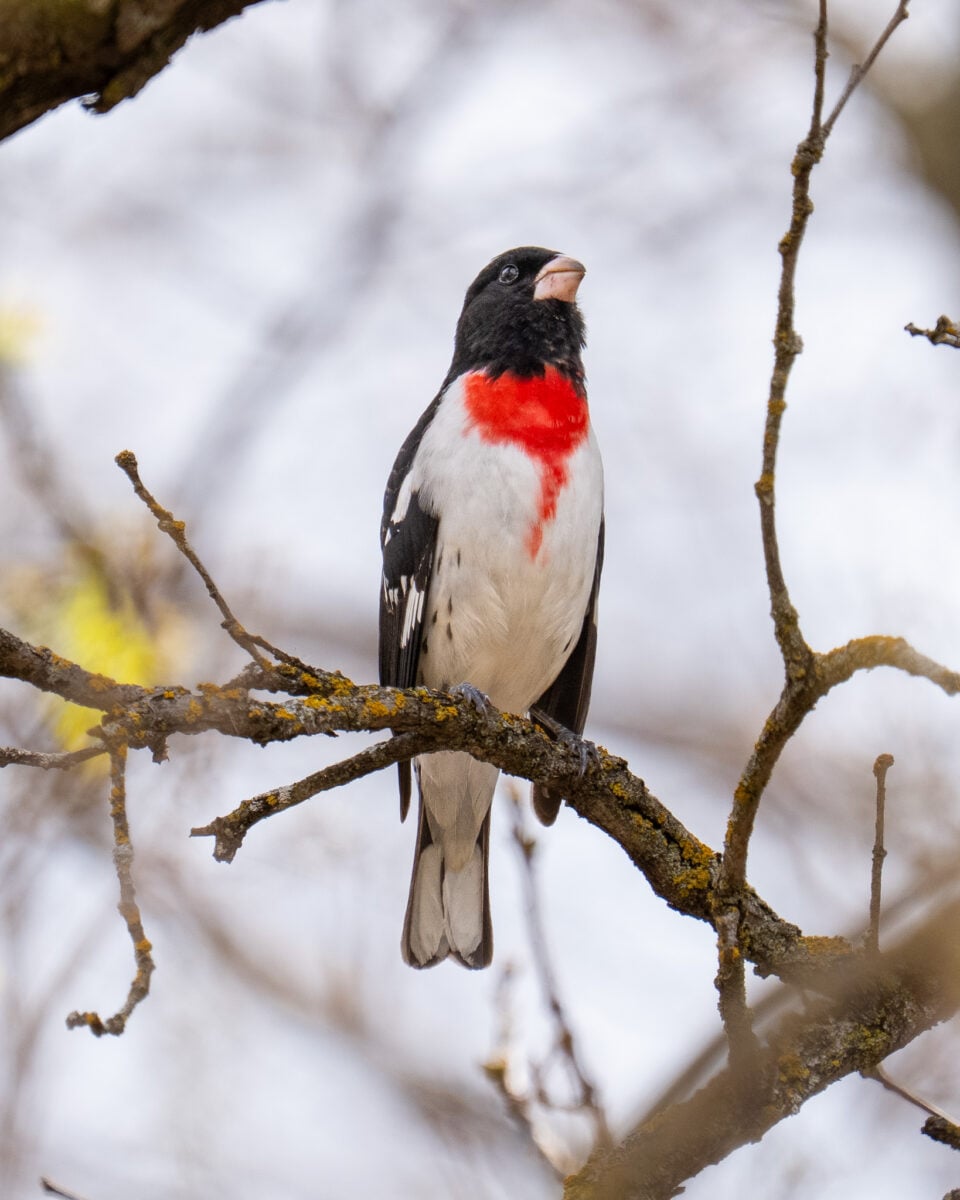
Few birds capture attention quite like a male Rose-Breasted Grosbeak. Their bold, black-and-white plumage paired with a brilliant red breast makes them one of Canada’s most striking spring migrants. Hearing their rich, robin-like song before spotting them was often part of the experience.
Photography Tip: Grosbeaks are generally less frantic than many Warblers. If you move slowly and avoid sudden movements, they’ll often remain perched long enough to compose a clean portrait.
Great Crested Flycatcher
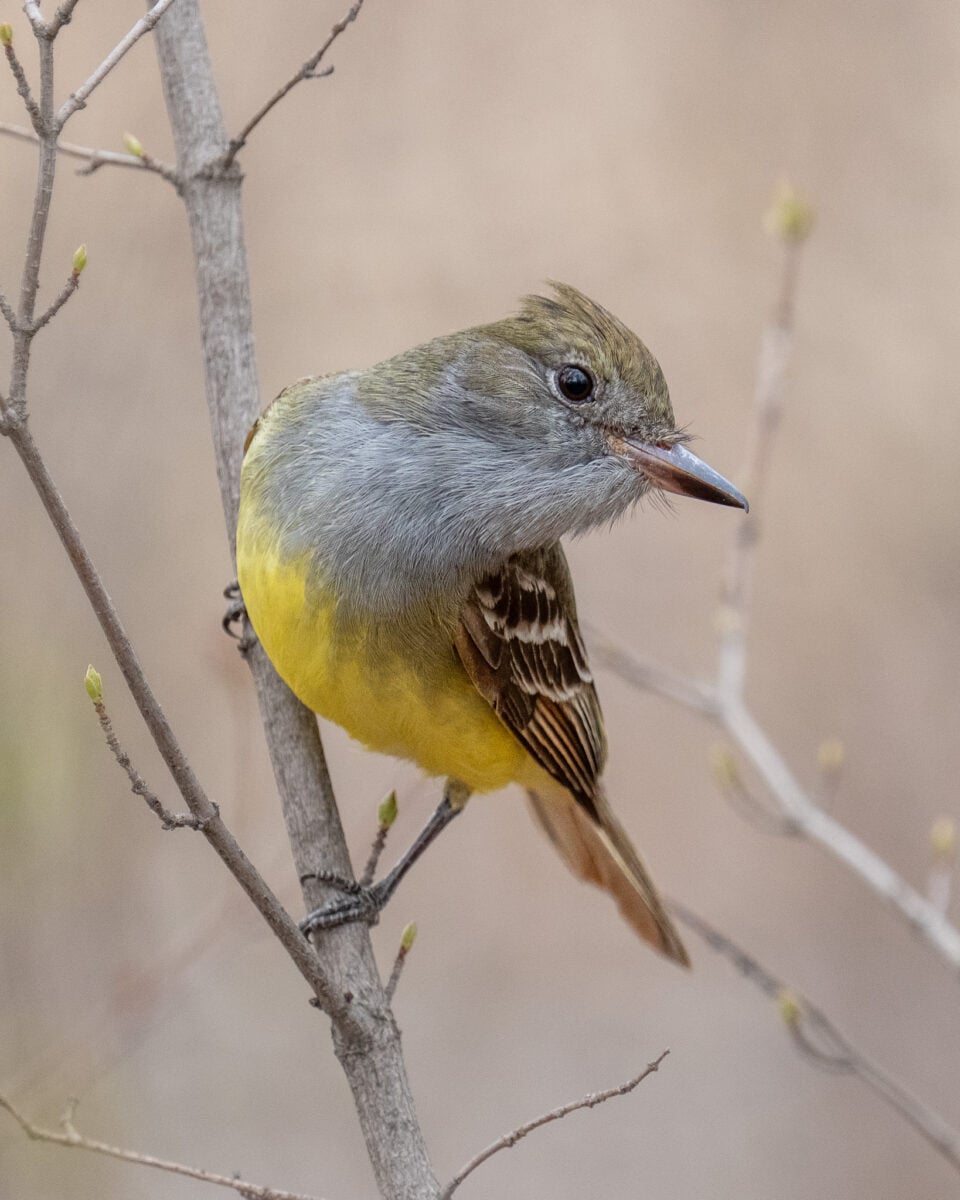
The Great Crested Flycatcher was one of my favorite woodland finds. Although their olive, grey, and yellow plumage is more subtle than some of Manitoba’s colorful migrants, their loud calls usually reveal their location long before you see them.
Photography Tip: Watch exposed branches and dead snags. Flycatchers frequently return to the same perch after catching insects, making it much easier to anticipate your next photograph.
American Redstart
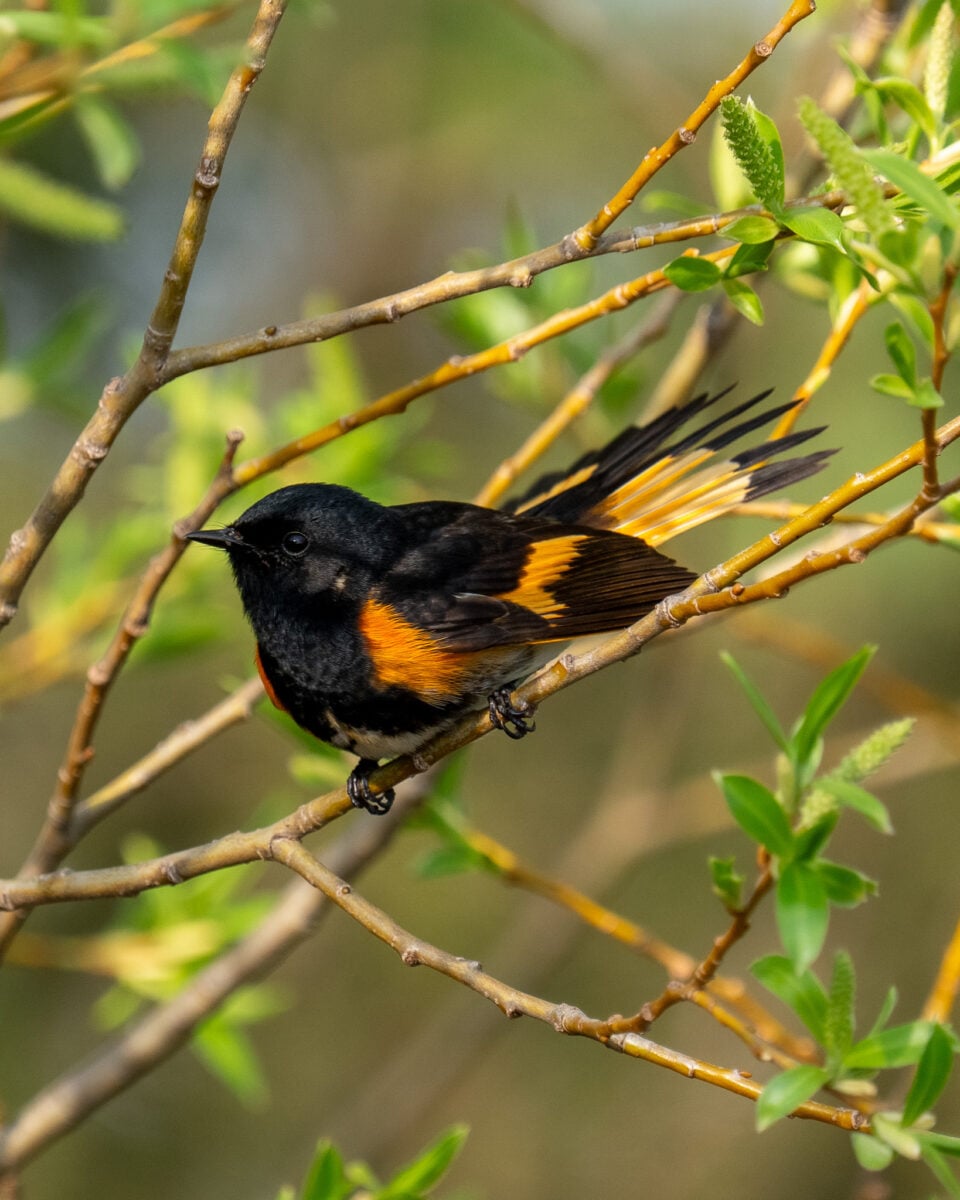
American Redstarts are full of personality. Constantly fanning their tails and flashing bright orange patches, they seemed to dance through the forest while chasing insects. They were one of the most energetic birds I photographed during the trip.
Photography Tip: Use a fast shutter speed—at least 1/2500 second to freeze their constant movement. Continuous autofocus and bird-eye detection greatly improve your chances of capturing a sharp image.
Ring-Billed Gull
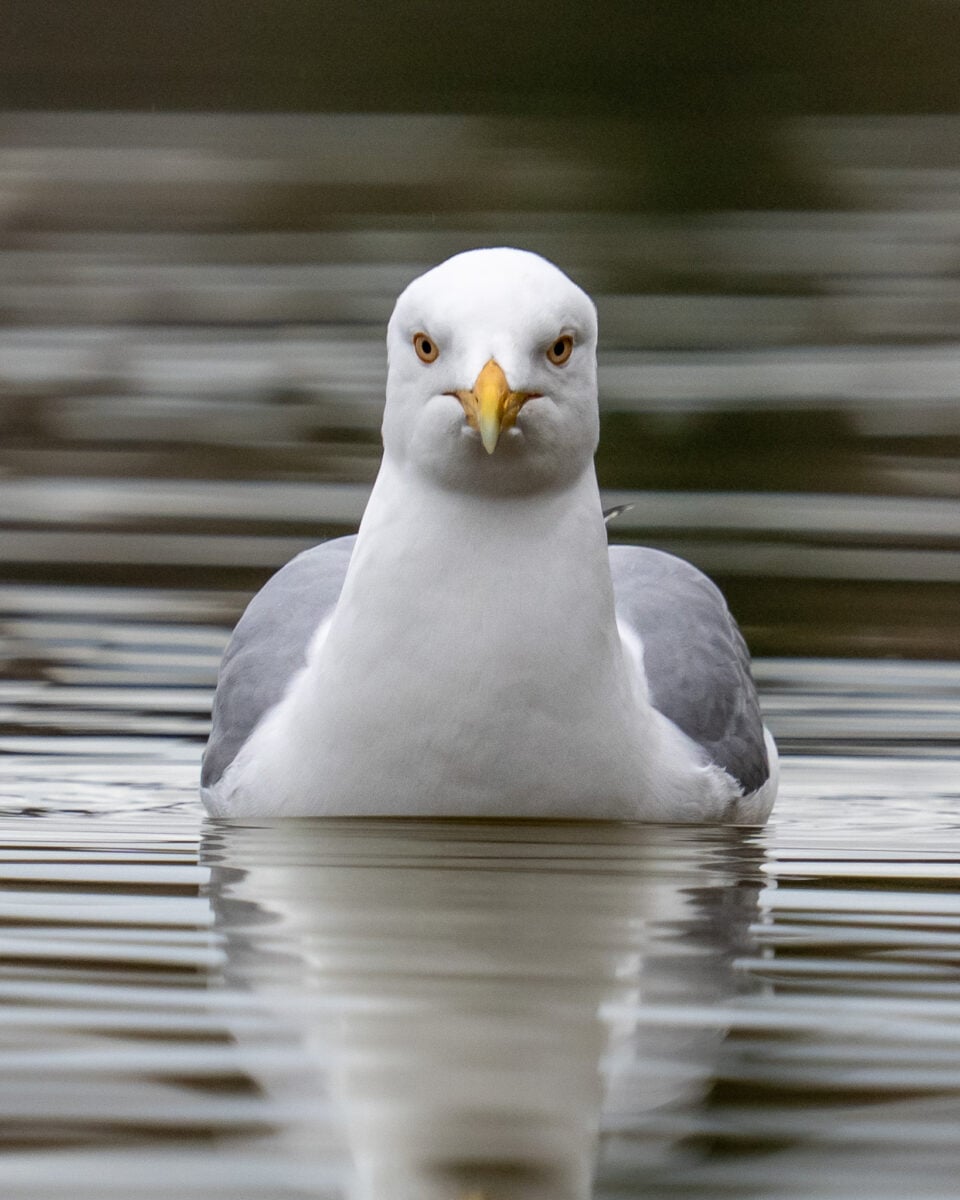
Although often overlooked, Ring-Billed Gulls offered fantastic photographic opportunities along the shores of Lake Winnipeg. Calm mornings created beautiful reflections, while the open shoreline allowed for eye-level perspectives that helped create more intimate portraits.
Photography Tip: Get as low to the ground as possible. Photographing from the bird’s eye level creates a much stronger image and allows the water to become a clean, uncluttered background.
Ruddy Turnstone
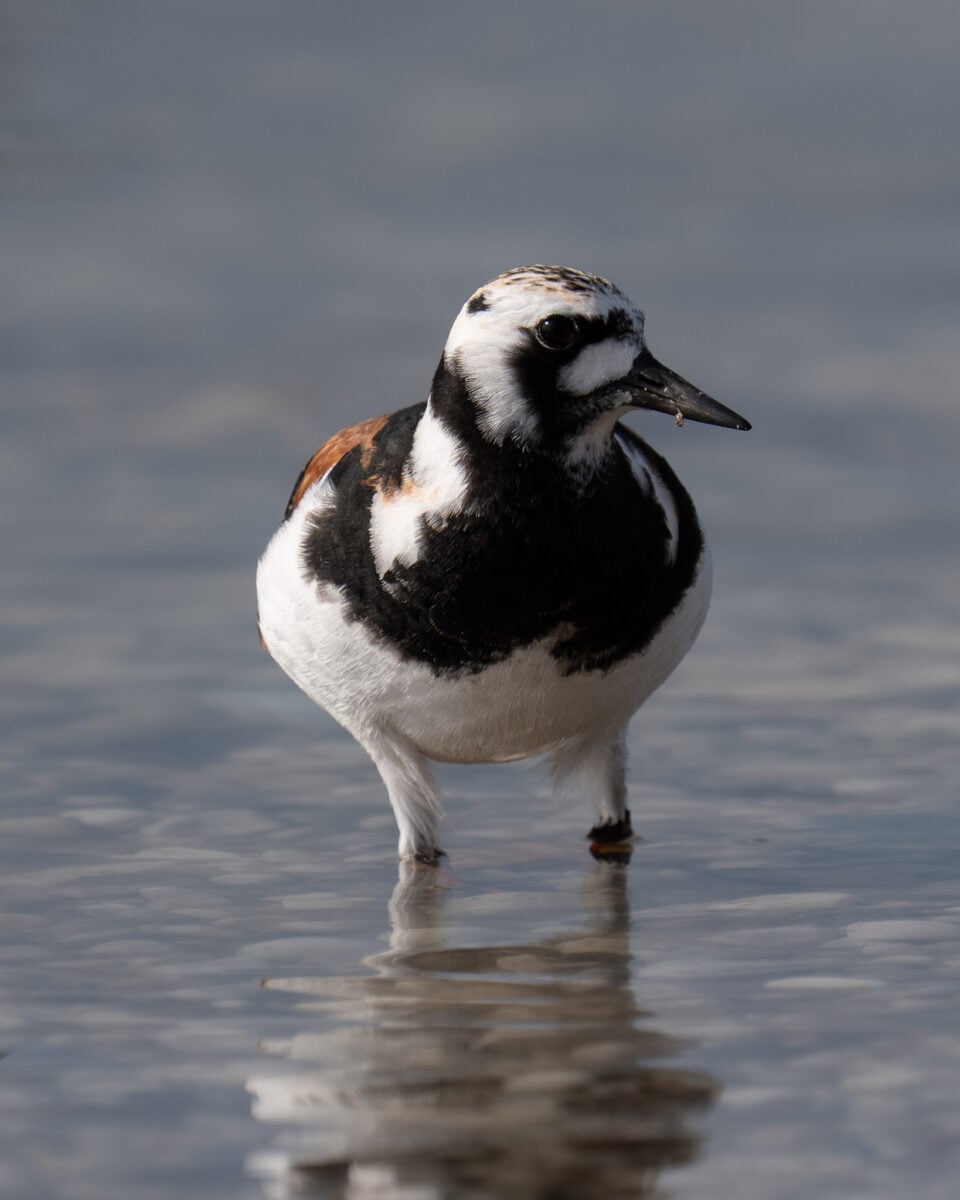
One of my favorite shorebirds of the trip, the Ruddy Turnstone, was busy working the shoreline, flipping stones and debris in search of small invertebrates. Their striking black, white, chestnut, and orange plumage stood out beautifully against the sandy beaches during migration.
Photography Tip: Shorebirds are far more approachable when you stay low and let them come to you. Instead of walking toward the bird, I found a likely feeding area, remained still, and allowed the turnstones to gradually work closer on their own.
Final Thoughts
Looking back, the birds were always going to be the highlight of the trip. From thousands of waterfowl at Oak Hammock Marsh to colorful warblers in Birds Hill, shorebirds at St. Ambroise, and the forests of Riding Mountain. Manitoba delivered exactly what I had hoped for.
The Unity simply made it easy to experience those places the way I wanted to. I wasn’t planning each day around hotel check-ins or long drives back to accommodation. Instead, I could focus on the weather, the migration, and the wildlife.
For photographers, birders, and anyone who enjoys exploring Canada’s natural places at a slower pace, I think that’s where the Unity fits best. It quietly supports the journey without becoming the story itself—and after spending more than a week traveling across Manitoba, I think that’s exactly what you want from an RV.
This is a companion discussion topic for the original entry at https://leisurevans.com/blog/birding-manitoba-in-the-unity-the-ultimate-wildlife-photography-basecamp/