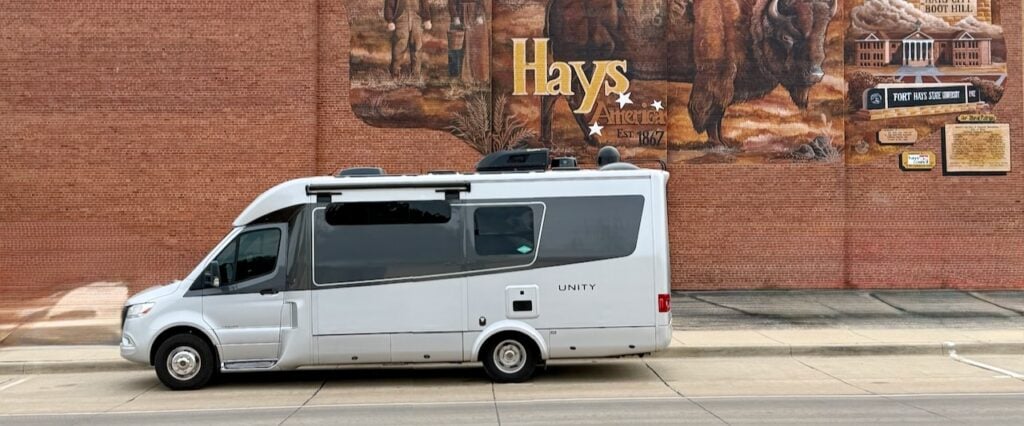
Editor’s Note: This post is written by a member of LTV’s sponsored content team, The Leisure Explorers. Do you own a Leisure Travel Van and enjoy writing? Learn more about joining the team.
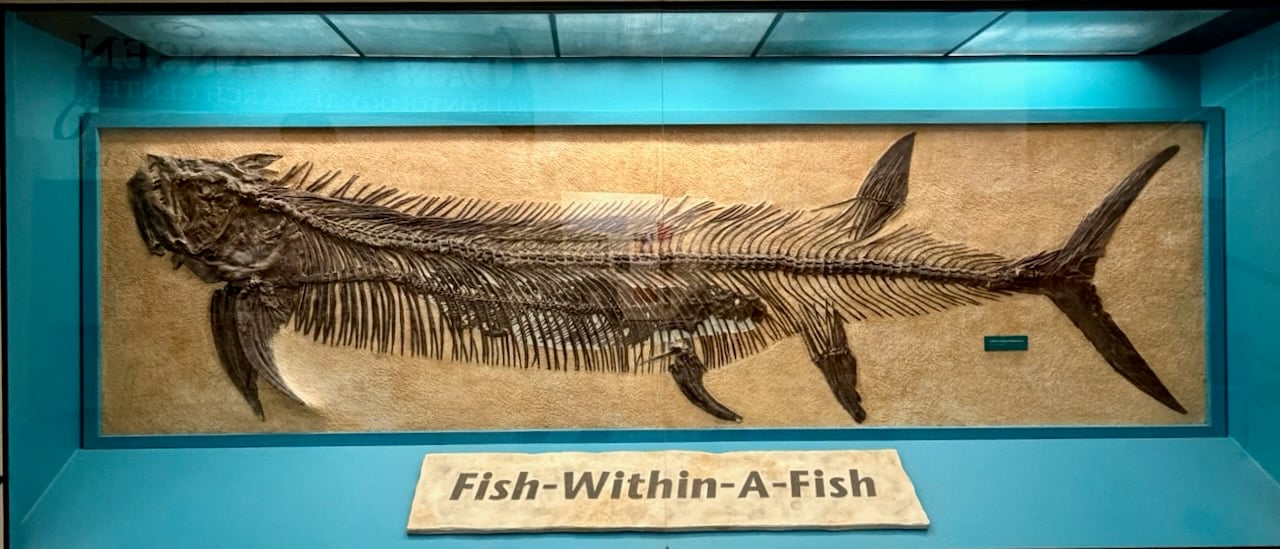
Stand in the Sternberg Museum of Natural History in Hays, Kansas, and see the fish-within-a-fish: two creatures, one swallowing the other whole, locked in stone for 80 million years. This fossil wasn’t discovered on an exotic coastline, but pulled from surface rock in western Kansas, just a few miles from the interstate.
The fish-within-a-fish challenges assumptions about the Great Plains and captures the surprises that define Hays.
Hays sits at the crossroads of two American stories. One runs 80 million years deep, written in fossilized bone and ancient seabed. The other spans just a few violent decades in the 19th century, leaving its marks in frontier posts, cattle trails, and limestone buildings that still line downtown.
The Sternberg Museum anchors one story. Historic Fort Hays anchors the other. Between them stands a college city whose locally owned restaurants, limestone sculptures, downtown murals, and Volga-German heritage tend to surprise first-time visitors.
If you make time to experience Hays, you’ll want to slow down, and when you do, you’ll soon realize why so many visitors wish they had stayed longer, and oh yes—Midwest courtesy abounds here. When you cross a street in town, drivers will stop and wait for you to cross.
A Top Reason Some Visit Hays
The Sternberg Museum of Natural History is located on the campus of Fort Hays State University at 3000 Sternberg Drive, Hays, Kansas 67601. When locals are asked what draws visitors to Hays, the frequent answer is: people come to see the dinosaurs. This widely shared perception reflects only part of the story.
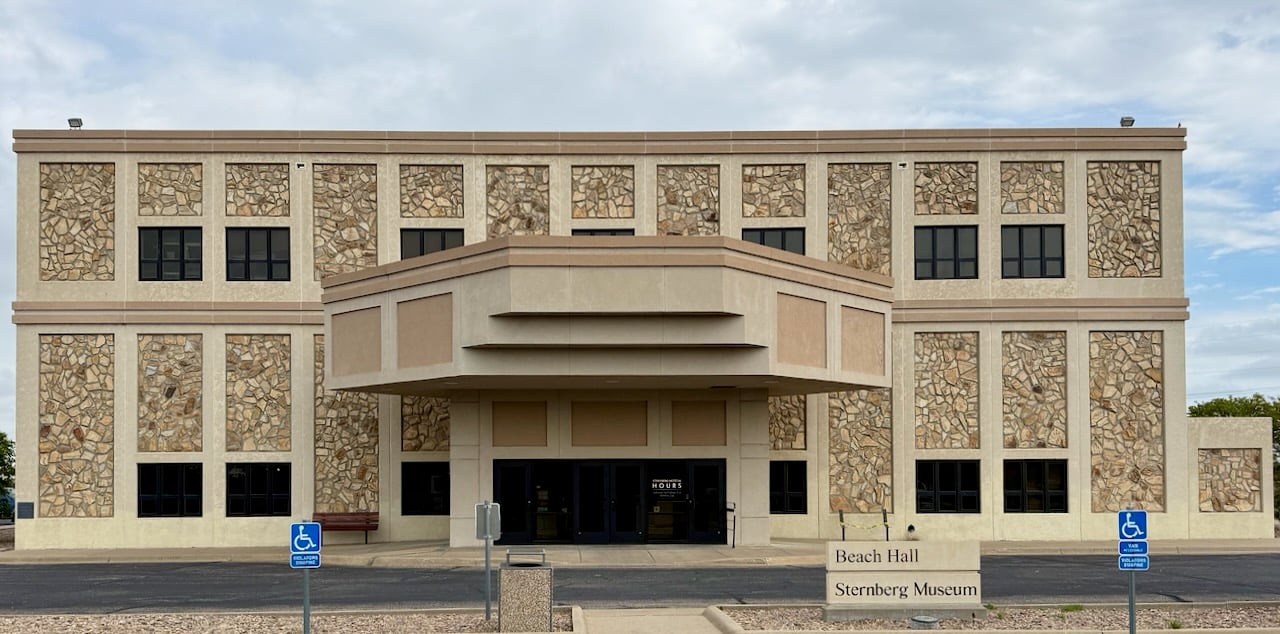
The Sternberg holds about three million specimens. It is one of the most robust fossil collections in North America. Most specimens come from the surface rock of western Kansas. These rocks preserve remains of the Western Interior Seaway from the Cretaceous period. This vast body of water has split the North American continent for millions of years, from the Gulf of America to the Arctic Ocean. Its floor became the Great Plains. Creatures living in and around it—mosasaurs, plesiosaurs, giant fish—died and settled into the sediment. Eighty to 100 million years later, their bones still turn up in Kansas.
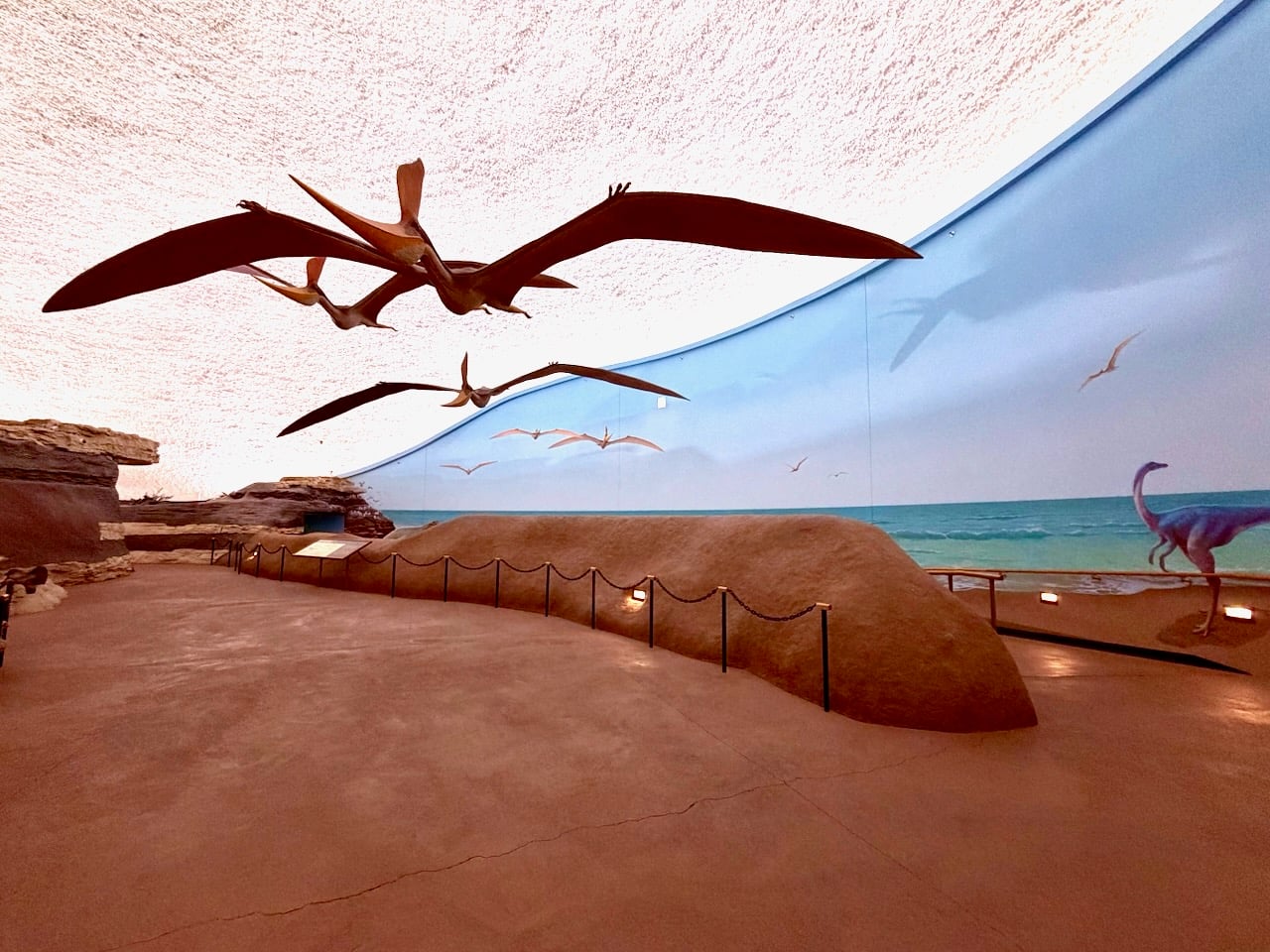
The ground-floor galleries open with the museum’s renowned Cretaceous marine collection, featuring mosasaurs, plesiosaurs, and giant fish both suspended overhead and displayed in cases. These specimens showcase the diversity and scale of life in the ancient seaway.
A temporary exhibit, “Dogs: More Than Pets,” traces the origins of over 400 breeds to their wolf ancestry. It uses canine DNA, domestication science, and enough breed history to interest anyone who has ever owned a dog. Check ahead; temporary exhibits rotate, and this one will not remain indefinitely.

A discovery room pulls younger visitors in to use hands-on stations pitched at an elementary-school level, so kids can work through them without adult translation. A nature trail with a plant identification guide extends the experience outdoors.
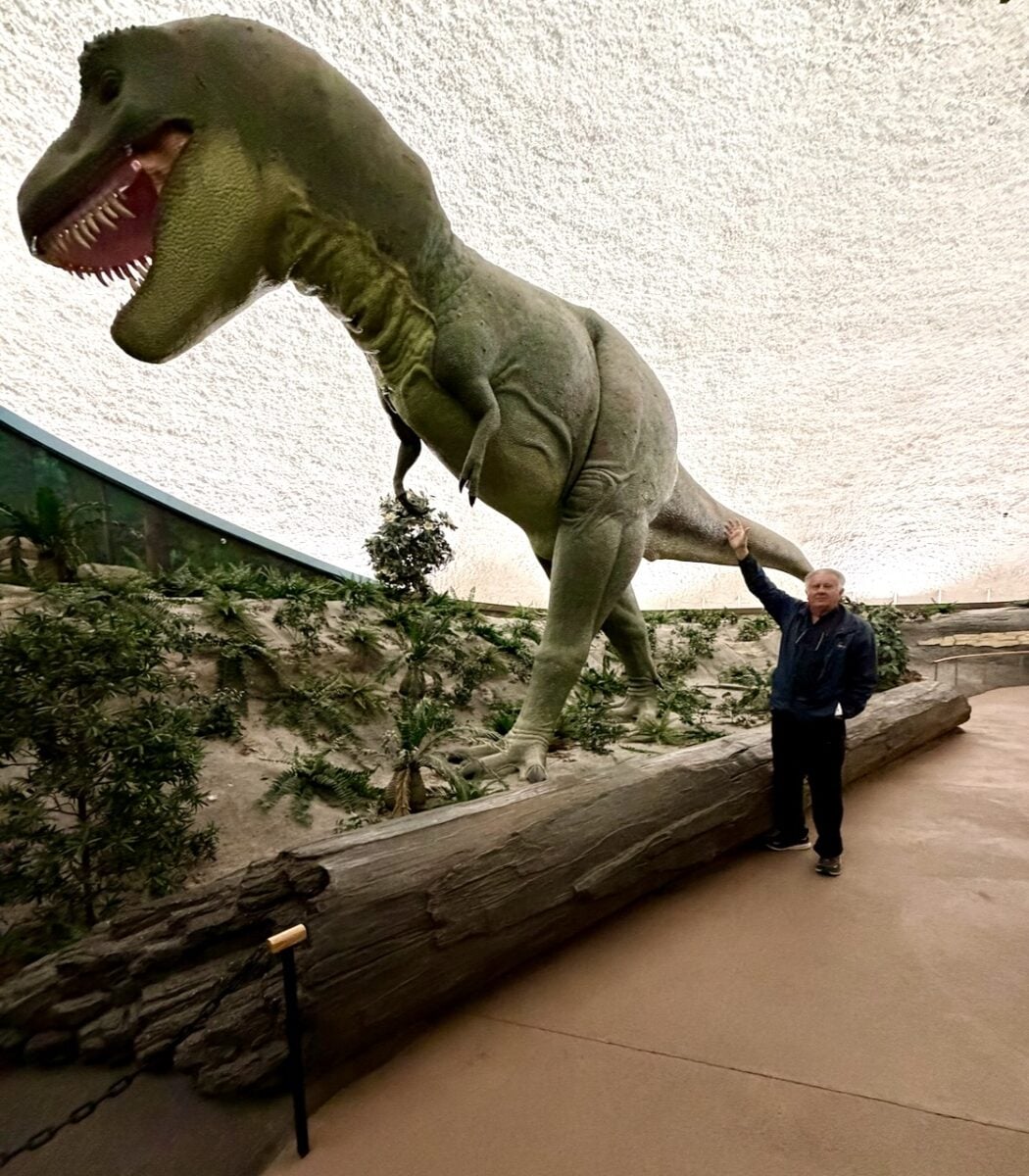
The top floor provides the moment many kids and adults anticipate: an immersive environment that transports visitors into the Cretaceous period, 80 million years ago, face-to-face with a Tyrannosaurus Rex and Pteranodons in their recreated habitat. The dome overhead amplifies the scale and, for a few minutes, the idea that the Great Plains were once ocean floor feels less like science and more like time travel.
The Sternberg Factor
The museum exists because of one family, and the family’s story begins with a coincidence.
George M. Sternberg was a surgeon assigned to Fort Harker, Kansas, in 1866. He later became Surgeon General of the United States. While visiting posts along the Smoky Hill Trail, he noticed that soldiers kept finding fossils in the western Kansas rock. He bought a farm near the fort and managed it with his brother, Charles H. Sternberg. Charles had other ideas. He began collecting fossils in earnest. The specimens he recovered ended up in museums across North America and Europe.
Note: The Smoky Hill Trail was a route forged by Native Americans before becoming a 19th-century overland route across the Great Plains, primarily in Kansas, between 1850 and 1870. It begins at the Missouri River and follows the Smoky Hill River westward. It was one of the more direct paths to the Colorado Gold fields during the Pikes Peak Gold Rush of 1859.
Charles’ three sons grew up watching their father hunt for fossils. Son George F. Sternberg found a plesiosaur at age nine. That discovery sent him down the fossil-hunting path for the rest of his life. Through his work with the Kansas Normal School—the institution that became Fort Hays State University—he was named curator in 1928. In 1952, Charles cemented the family’s legacy with this discovery: a large Cretaceous-era fish, preserved in stone, with a smaller fish still inside its body. The fish-within-a-fish became one of the most studied and recognized fossil specimens in the world.
George F. retired in 1962. When he died in 1969, the museum took the family name.
To visit: Plan two to three hours. The Sternberg opens Tuesday through Saturday, 9 am to 6 pm, and Sunday, 1:00 – 6:00 pm. It is closed on Mondays, but during summer hours, it adds a Monday. Admission runs $12 for adults, $11 for seniors 60 and older, $8 for children ages 4 to 12, and $6 for Fort Hays State University students with ID. Guided tours by paleontologists or educators are included in admission.
Hays: Two Stories, One Downtown
When you leave the Sternberg and drive into downtown Hays, the second story takes over.
The Hays City downtown walking tour links 27 distinct sites marked by bronze plaques that highlight the city’s Wild West frontier history.
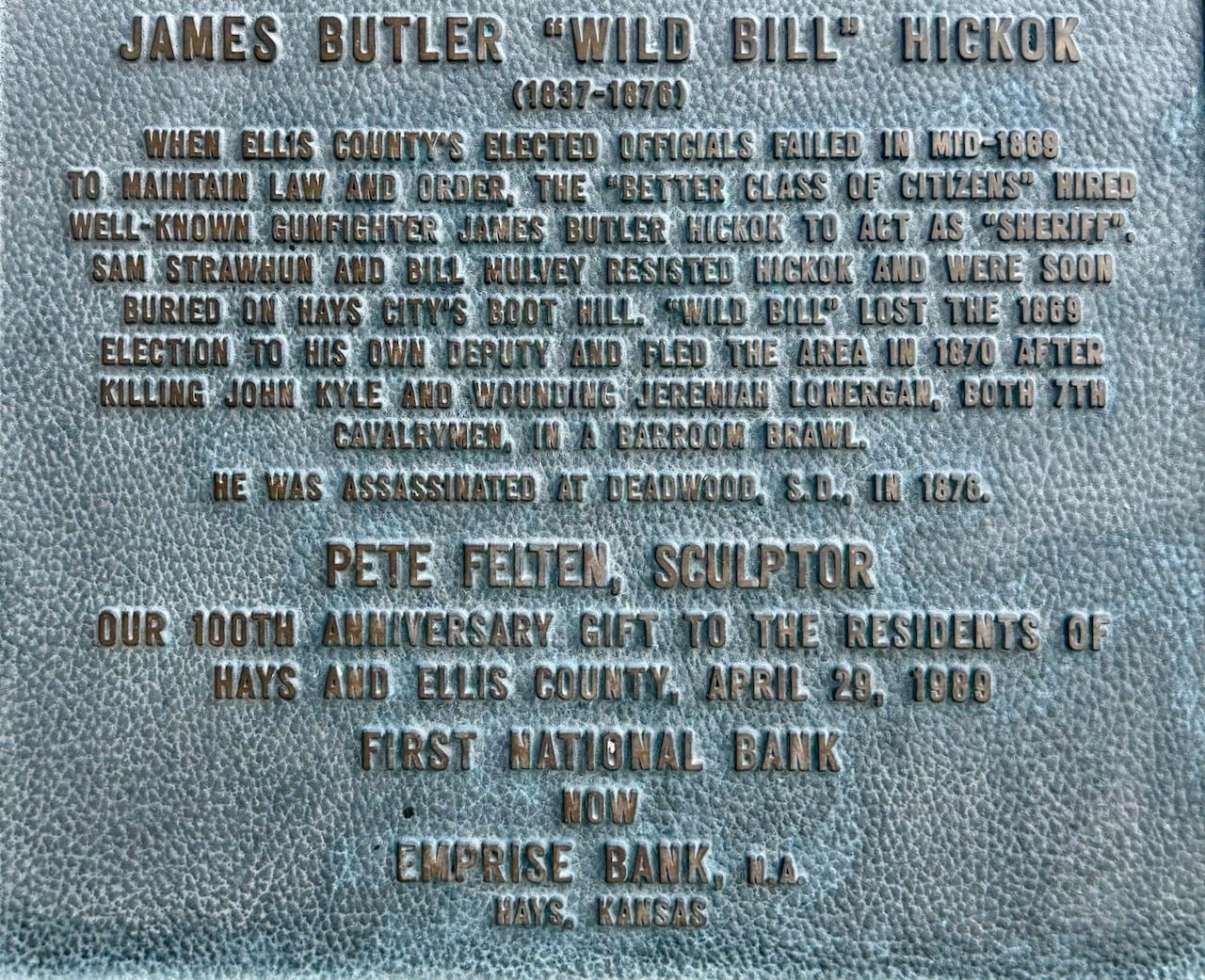
The first thing you’ll notice at 10th and Main is a limestone sculpture of Wild Bill Hickok created by Hays artist Pete Felten. Hickok’s stone face stares down 10th Street toward an area where more than 30 homicides occurred in and around Hays between August 1867 and December 1873.
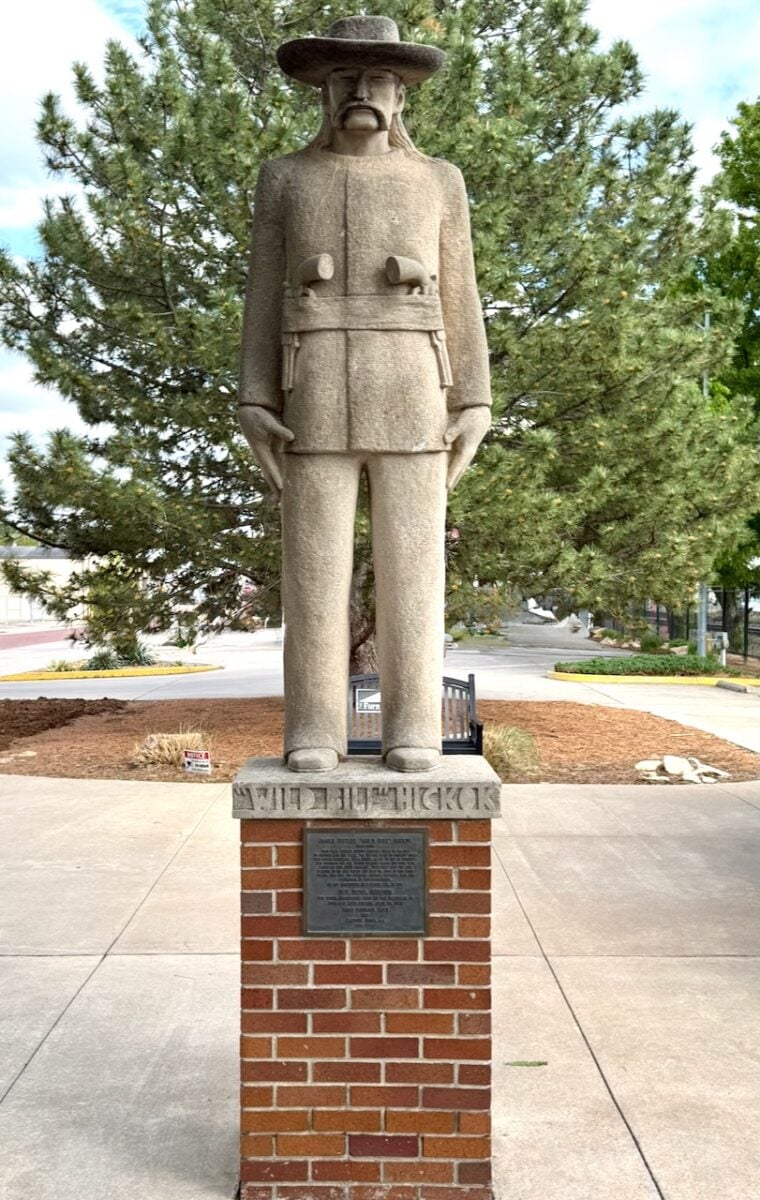
Hickok himself was part of the count. In the summer of 1869, the citizens of Hays City elected him sheriff, hoping his reputation as a deadly shot would impose some order on a town overrun nightly by buffalo hunters and Fort Hays soldiers flush with payday money. It worked, after a fashion. Within his first five weeks in office, Hickok had killed two men. Some Hays residents began to wonder if the cure was worse than the disease. By November, they voted him out. His deputy, Peter Lanahan, took the job.
What happened to Lanahan tells you more about Hays than any statistic. On the night of July 16, 1871, a fight broke out at a saloon on West 10th Street. Lanahan waded in to break it up. A bartender named Charles Harris shot him twice and beat him with a club. Lanahan, bleeding and barely standing, kept firing. Emma Bowen, the proprietress of a nearby brothel, ran out into the street and pressed two revolvers into Lanahan’s hands. He shot Harris dead. Then Lanahan was carried into Bowen’s house to and died the following day. He was the second of the county’s first three sheriffs to be killed in the line of duty. The third was also murdered. The ground where these events played out is still downtown Hays.
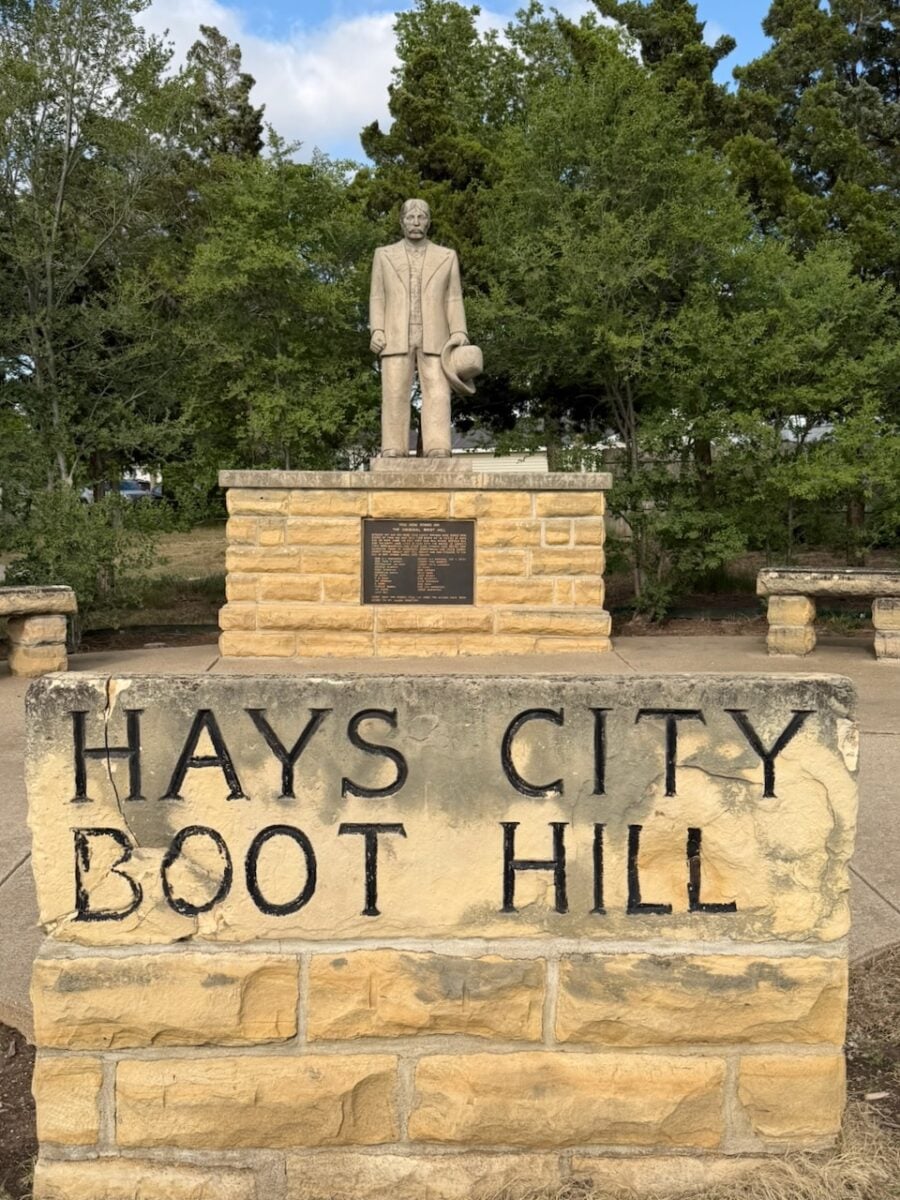
Elizabeth Custer, the wife of George Armstrong Custer, noted in her diary during the summer of 1869 that 36 graves already filled the cemetery on Boot Hill. Yes, Dodge City has its own Boot Hill, too, but Dodge was not built until 1872. By then, the Hays cemetery was well populated. The original Boot Hill belongs to Hays.
Hays City’s reputation for bloodshed grew from the convergence of three forces that fed off each other. The Union Pacific Railway reached Hays on October 14, 1867, turning the town into a railhead—the end of the tracks—where wagon haulers, gamblers, and drifters piled up the way they did at every end-of-track settlement on the Kansas frontier. Fort Hays, half a mile south of the city, pumped military payroll funds into the volatile mix. The Smoky Hill Trail delivered the rest: buffalo hunters, freight haulers, and a general absence of law. These defined the contested ground during the Indian Wars. When the railhead moved west and the fort closed, the violence went with it. The saloons and dance halls of 10th Street were not the cause. They were where all three currents collided.
Hays Art Projects
One rewarding aspect of walking downtown is discovering the sculptures. Local artist Pete Felten carved 28 pieces from native limestone and displayed them throughout the city. The Hays Convention and Visitors Bureau provides a guidebook to Felten’s art, including a map of all 28 locations, at visithays.com. Limestone, quarried from the same geologic layers as the Sternberg fossils, serves as the native building material of the Kansas plains. Seeing it shaped into figures reflecting the land and history adds another dimension to the downtown walk.
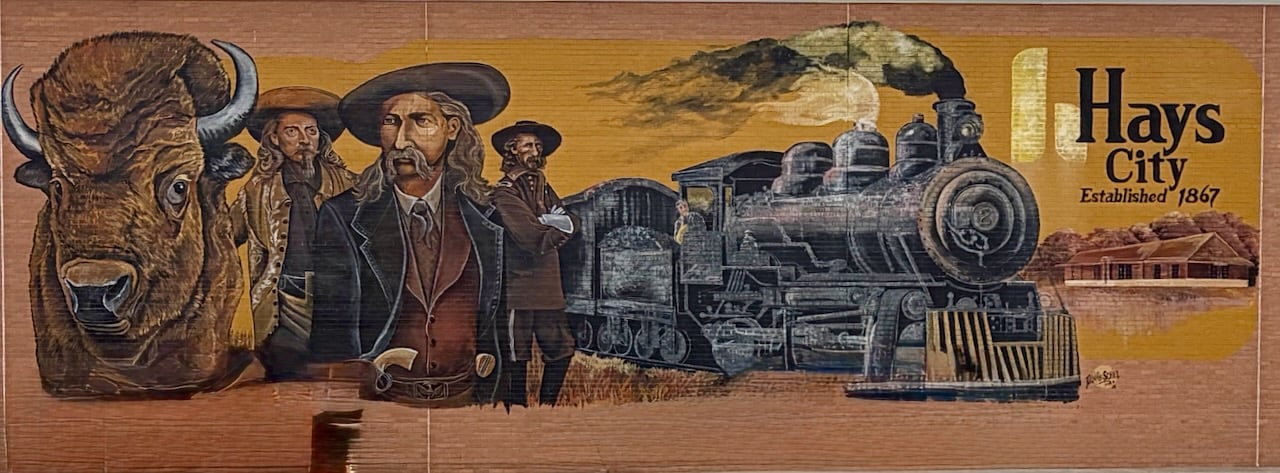
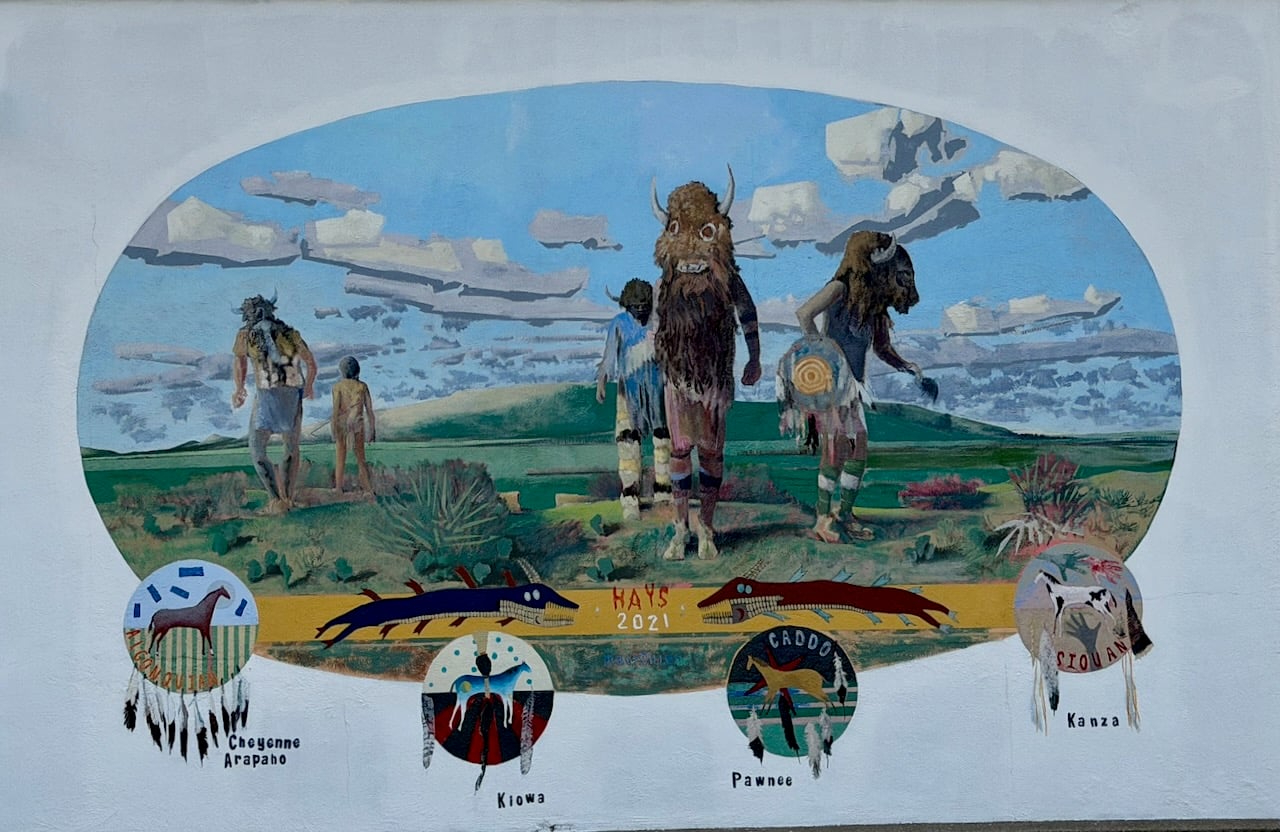
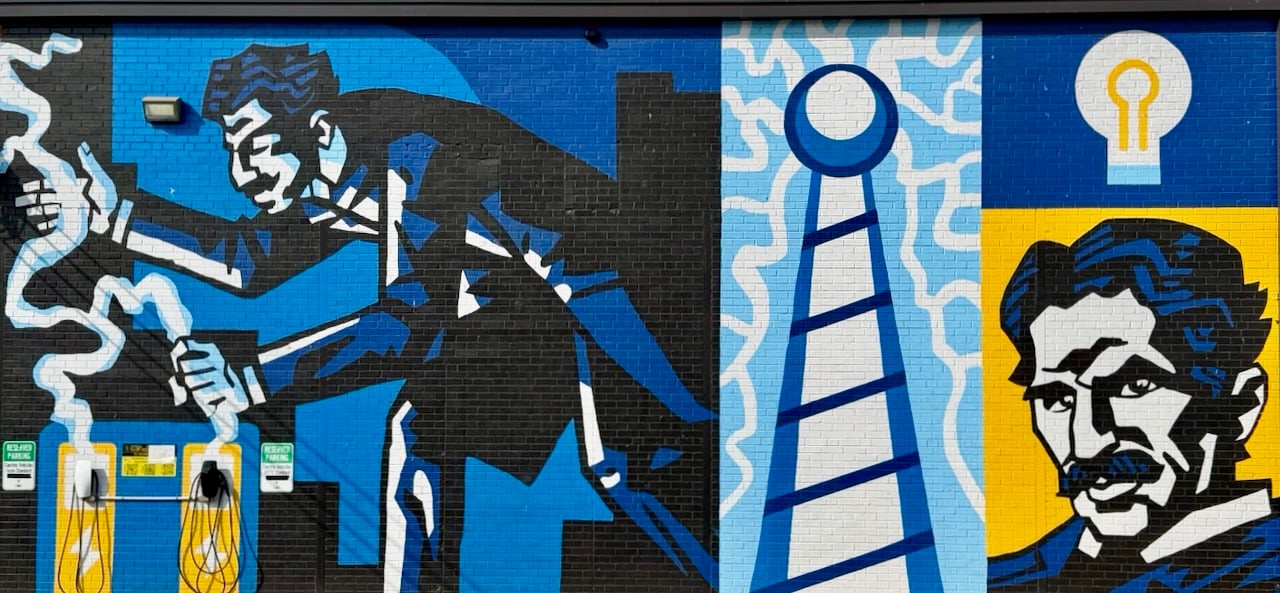
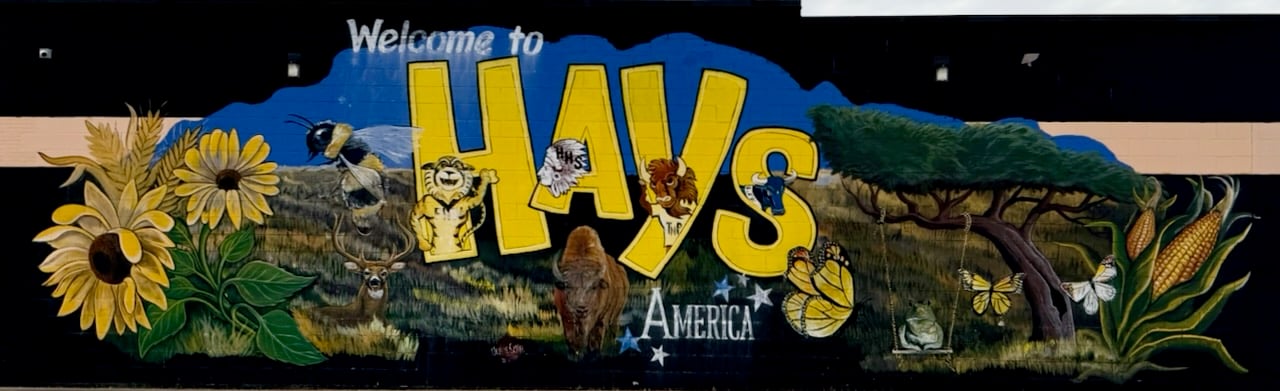
Twelve murals spread across the downtown buildings add another layer. These are large-scale painted images that function as a visual history of the region. The Hays Convention and Visitors Bureau also provides a dedicated mural guidebook, available at visithays.com. Together with the Felten carvings and the 27-stop walking tour, these features give a first-time visitor more to look at than a full afternoon covers.
Fort Hays
Historic Fort Hays stands as one of the original military outposts that defined the post-Civil War West—the same ground George M. Sternberg walked before fossil hunting became the family business. It sits to the south of the city, just outside of town. There is no entry fee, and visitors are free to walk the grounds. Several original buildings remain on the site.
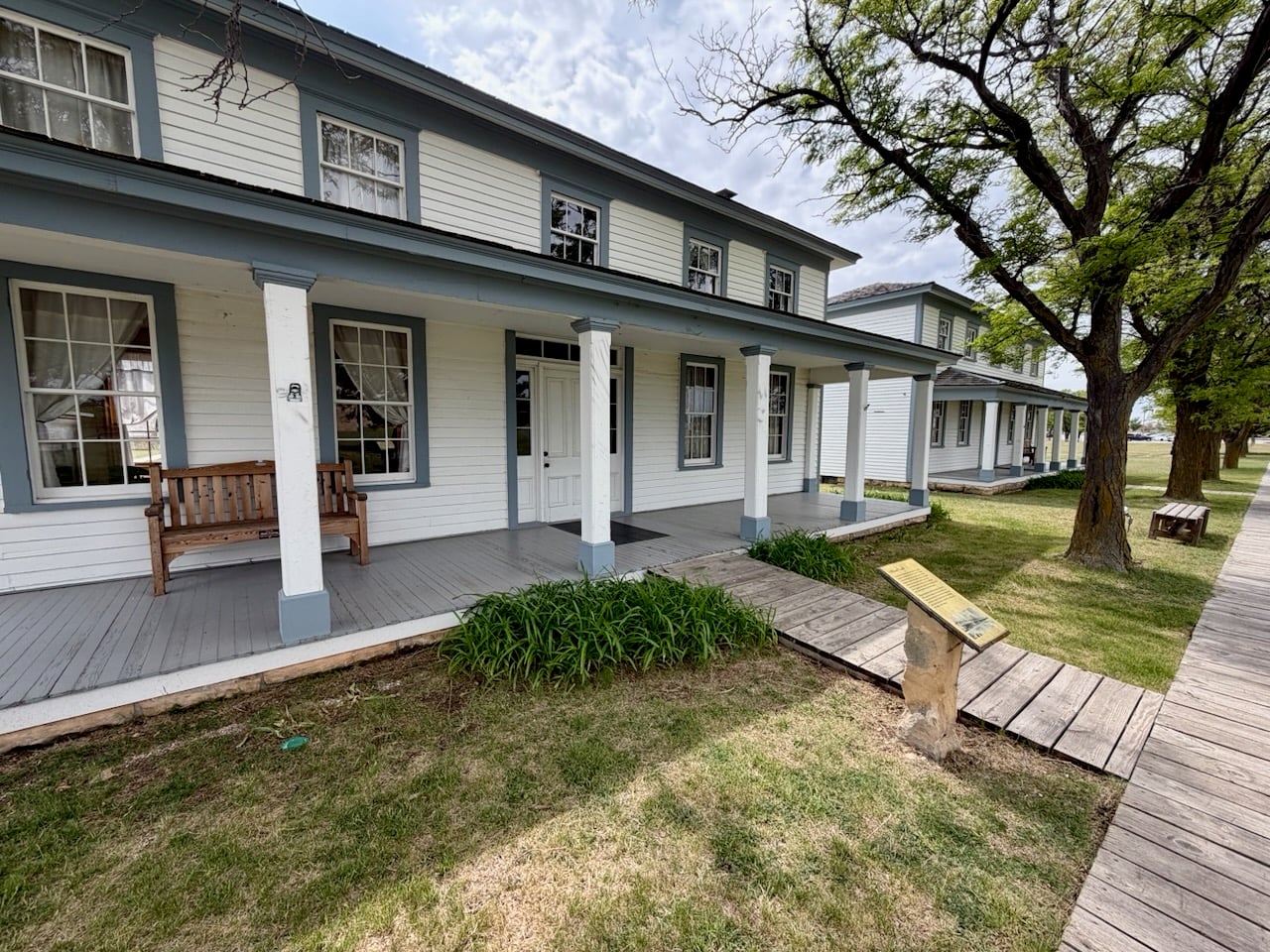
Hays sits on the Gunsmoke Trail, a driving loop connecting four Kansas cities—Wichita, Abilene, Hays, and Dodge City. Each city figured in the long-running television series that made the Wild West part of American homes for two decades.
RVers and road-trippers who run the Gunsmoke Trail find that Hays holds its own among them. Here, history is not a reconstruction or a theme but part of a working city—visible in limestone buildings, fort grounds, and the layout of the streets themselves.
Hays: The College Town—Where To Eat
Fort Hays State University sets Hays apart from typical Great Plains cities. The university creates a restaurant scene that punches above its weight.
Hays supports dozens of locally owned restaurants alongside national chains—more variety than most cities of its size on the plains can offer.
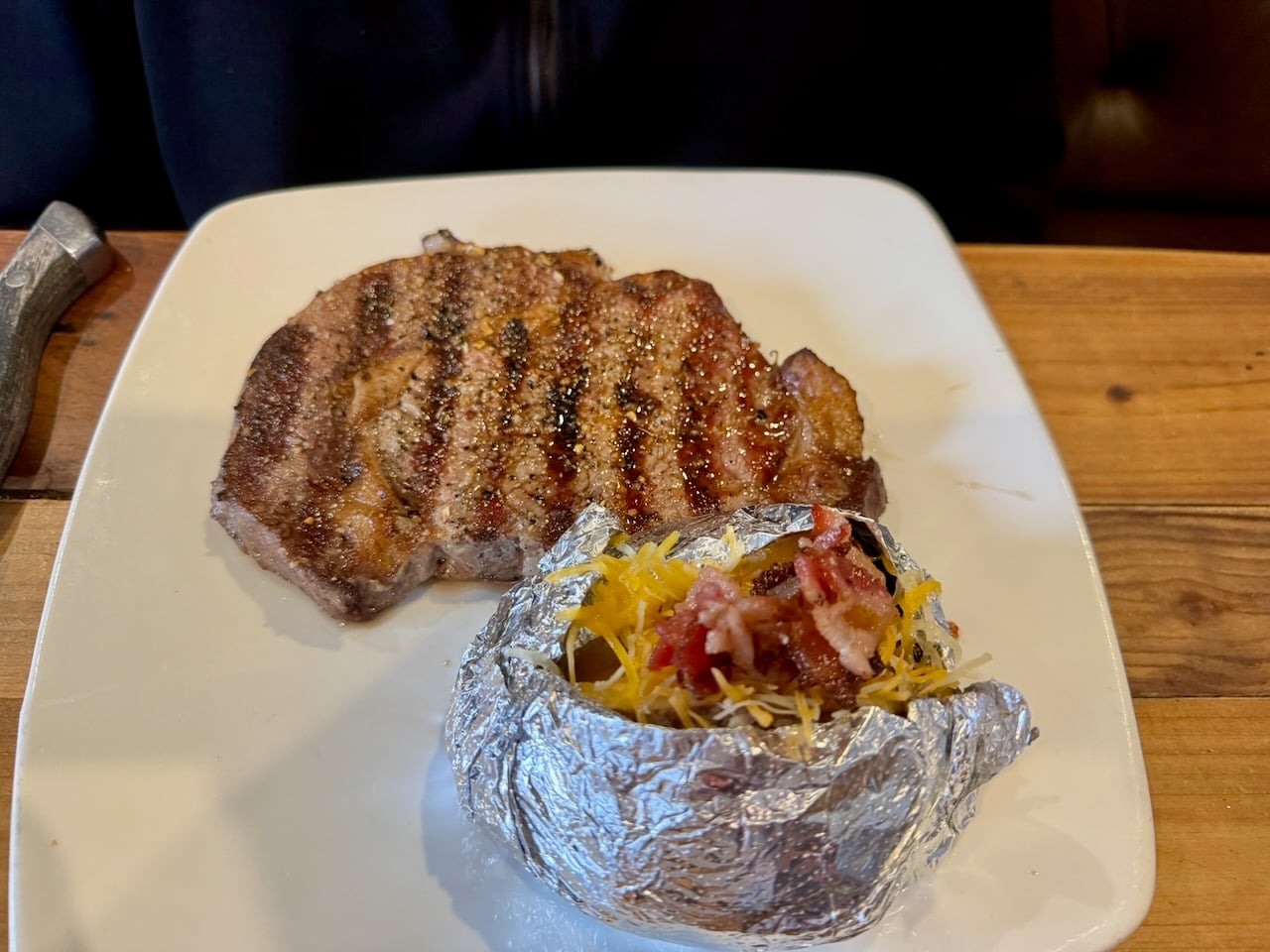
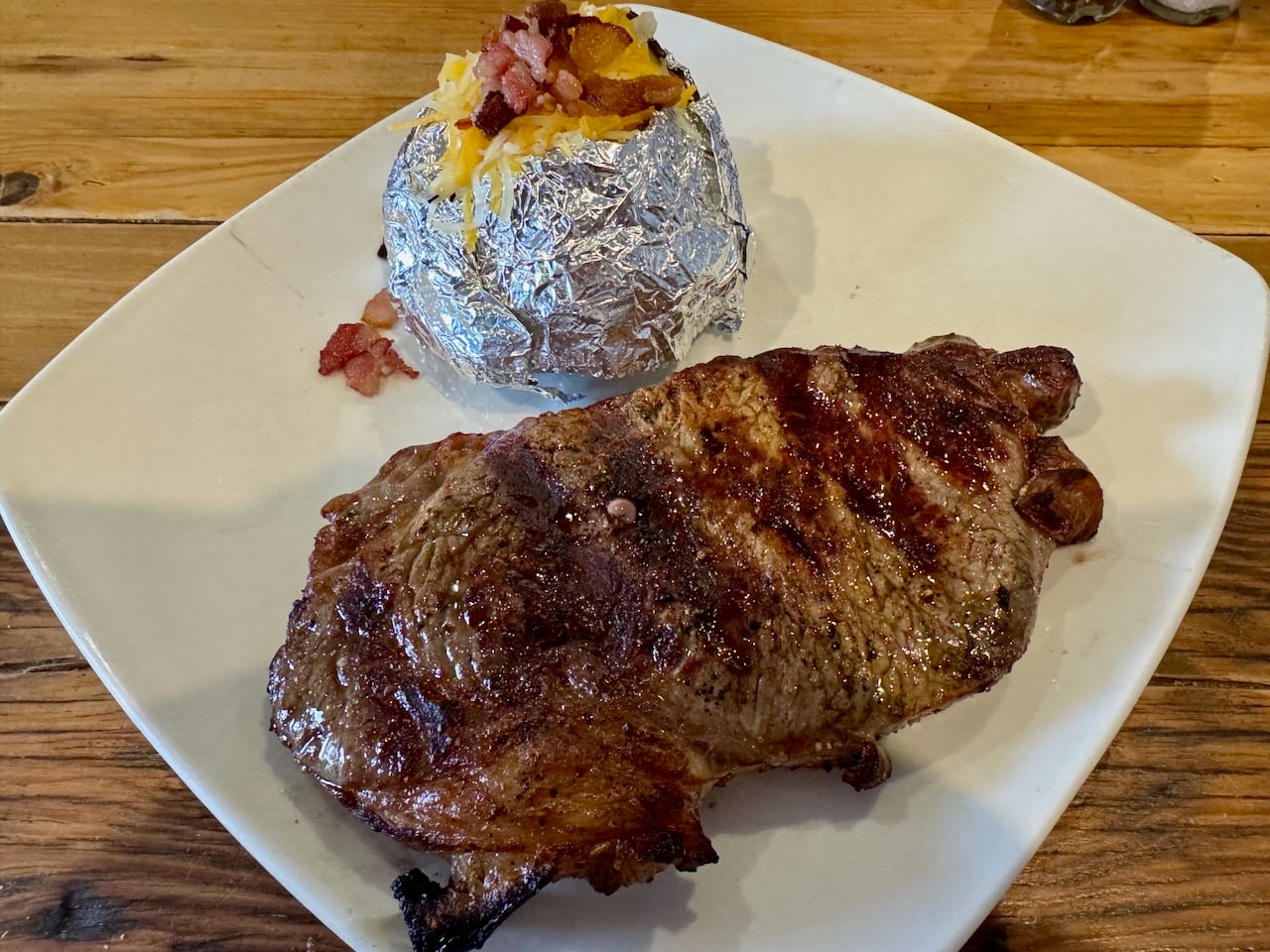
Hickok’s Steakhouse, at 3402 Vine Street, serves locally sourced midwestern Angus beef, hand-cut and aged in-house. The restaurant carries a name that links it to the town’s frontier past. The ribeye and KC cut arrive with a proper sear, and freshly baked rolls come with cinnamon butter. The wine and craft beer list draws from across the country. Hours run Tuesday through Friday, 4 pm – 9 pm; Saturday, 11 am – 10 pm; and Sunday, 11 am – 8 pm.
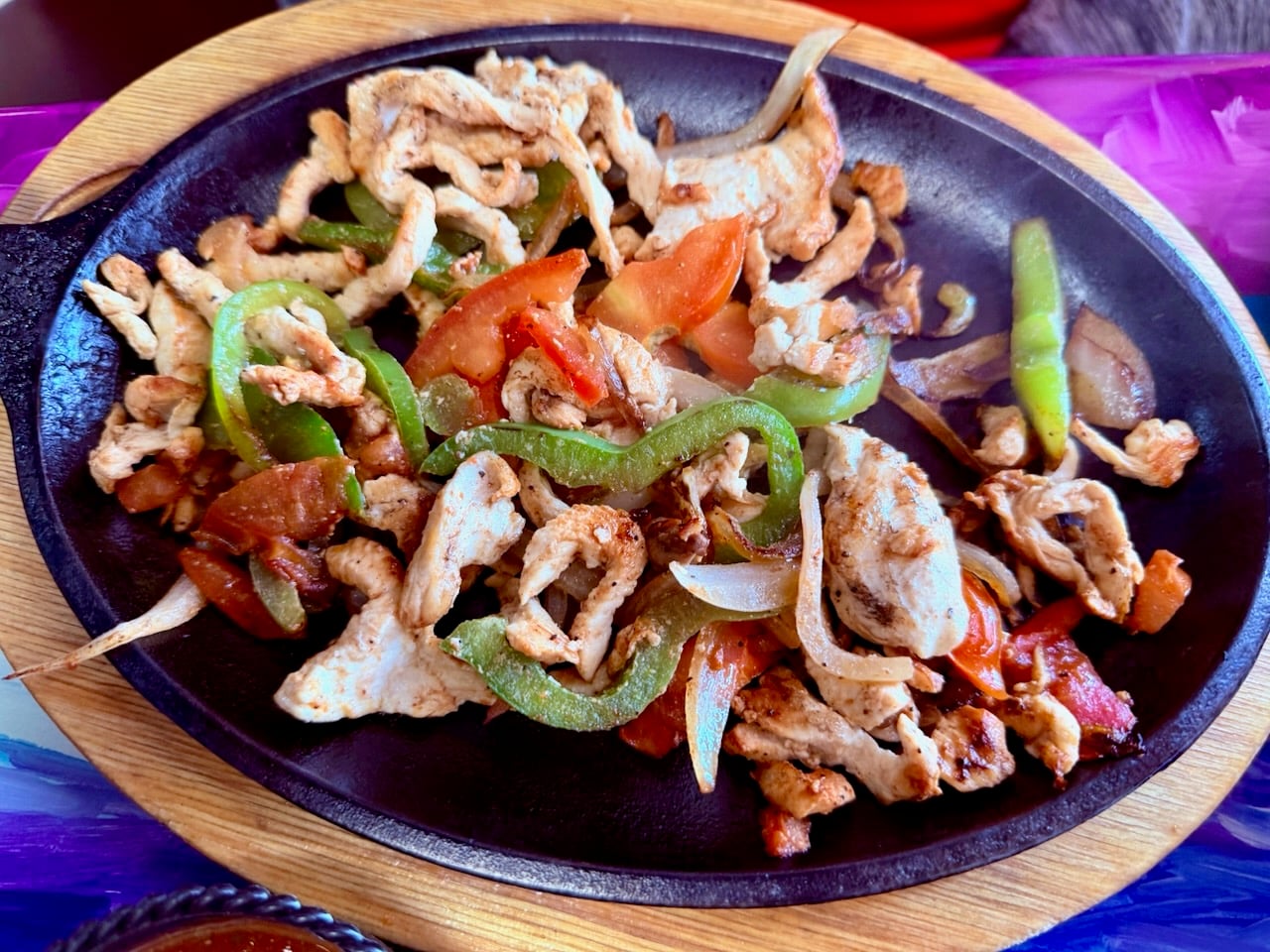
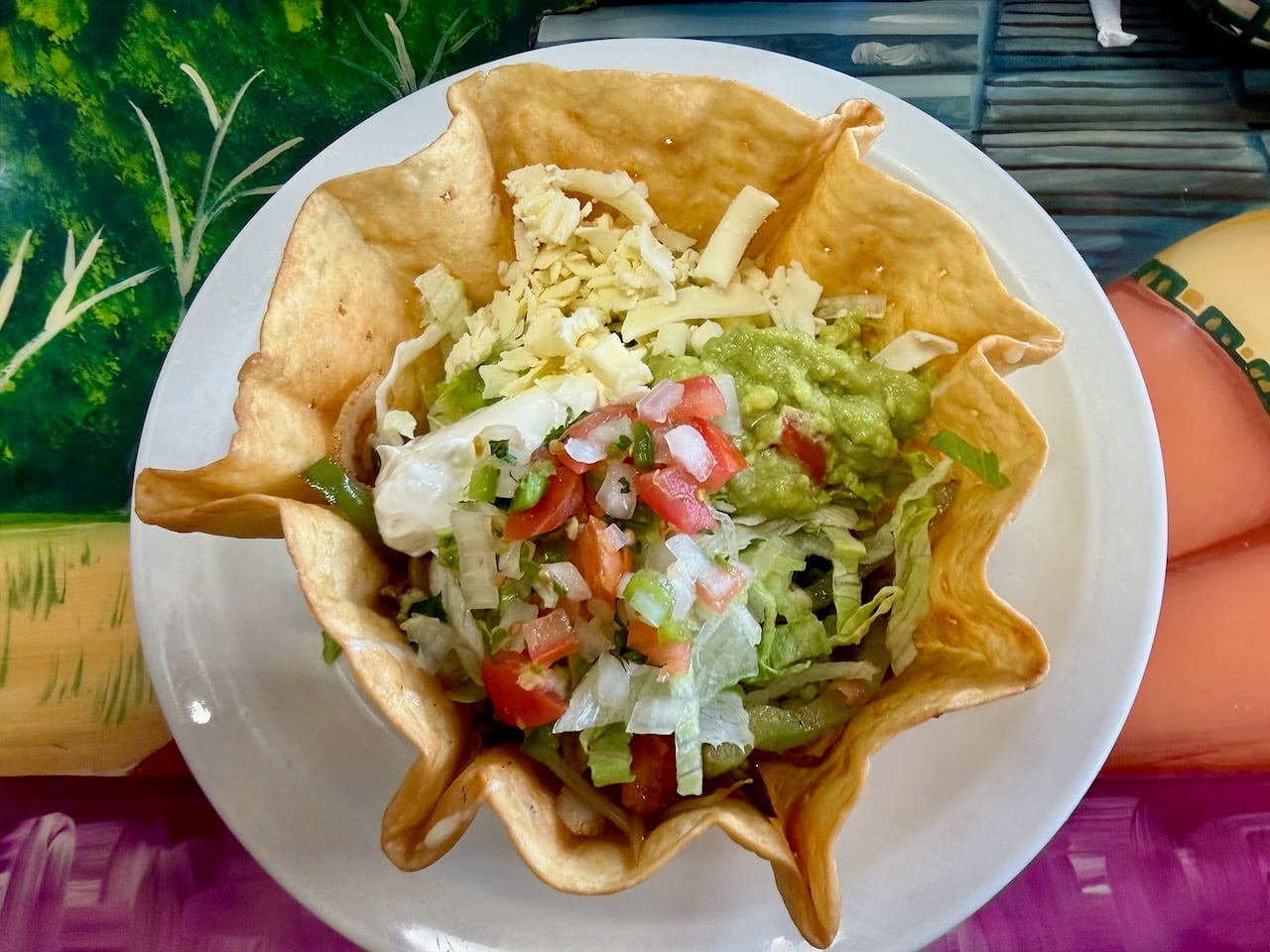
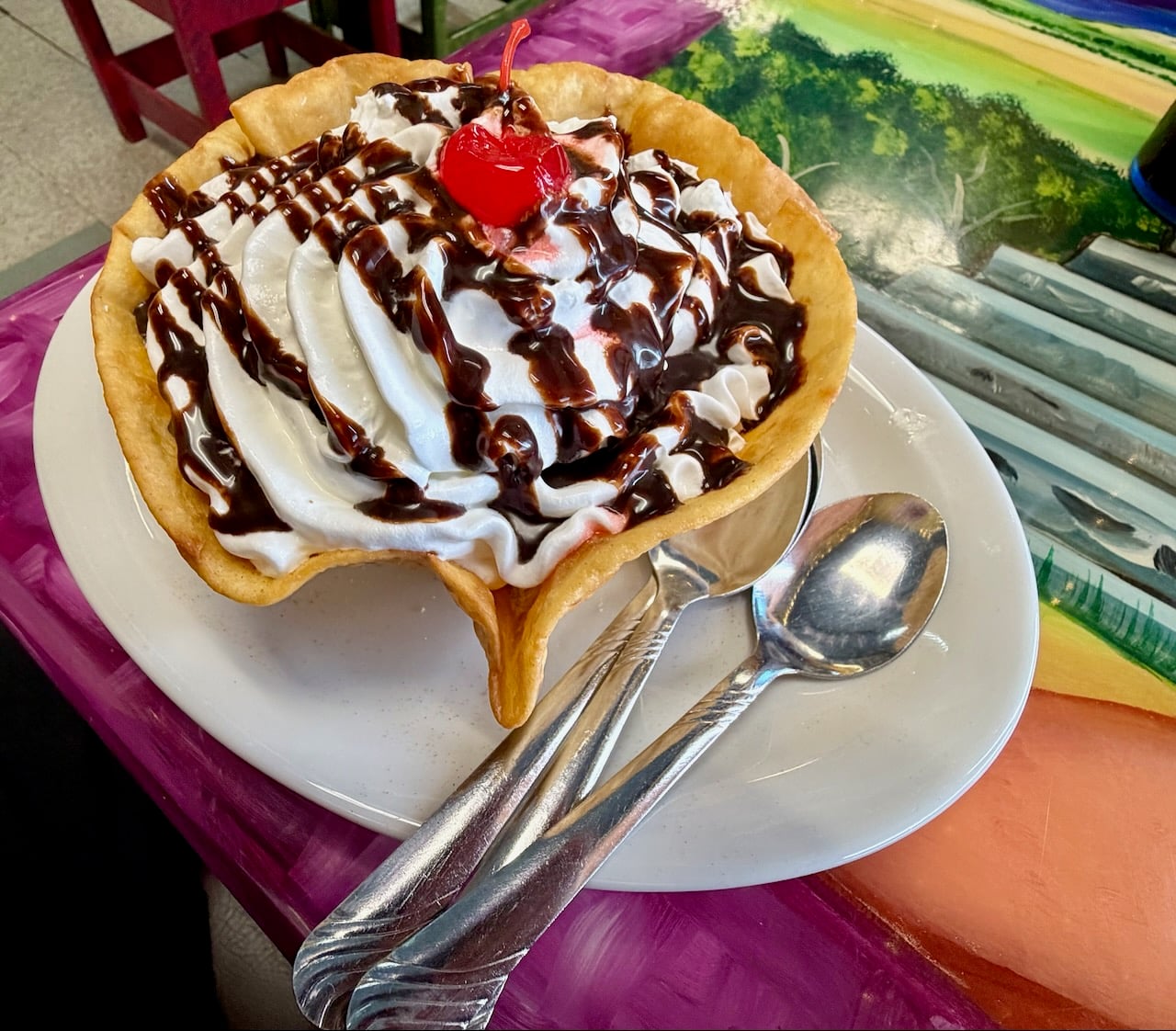
El Dos Mexican Restaurant, at 1002 East 41st Street, has operated since 2007 and built the kind of local following that sustains a restaurant for nearly two decades. The menu runs from taco fajita salads to chile rellenos, with portions that suit road-trip appetites. The atmosphere is casual and family-friendly.
The German Connection
The Volga-German community shaped local culture, a legacy still evident today in Hays. In 1876, the first groups of Volga Germans—European immigrants who settled Russia’s Volga River region under Catherine the Great’s invitation before seeking new land—arrived in Ellis County, Kansas. Their descendants remain a significant part of the community.
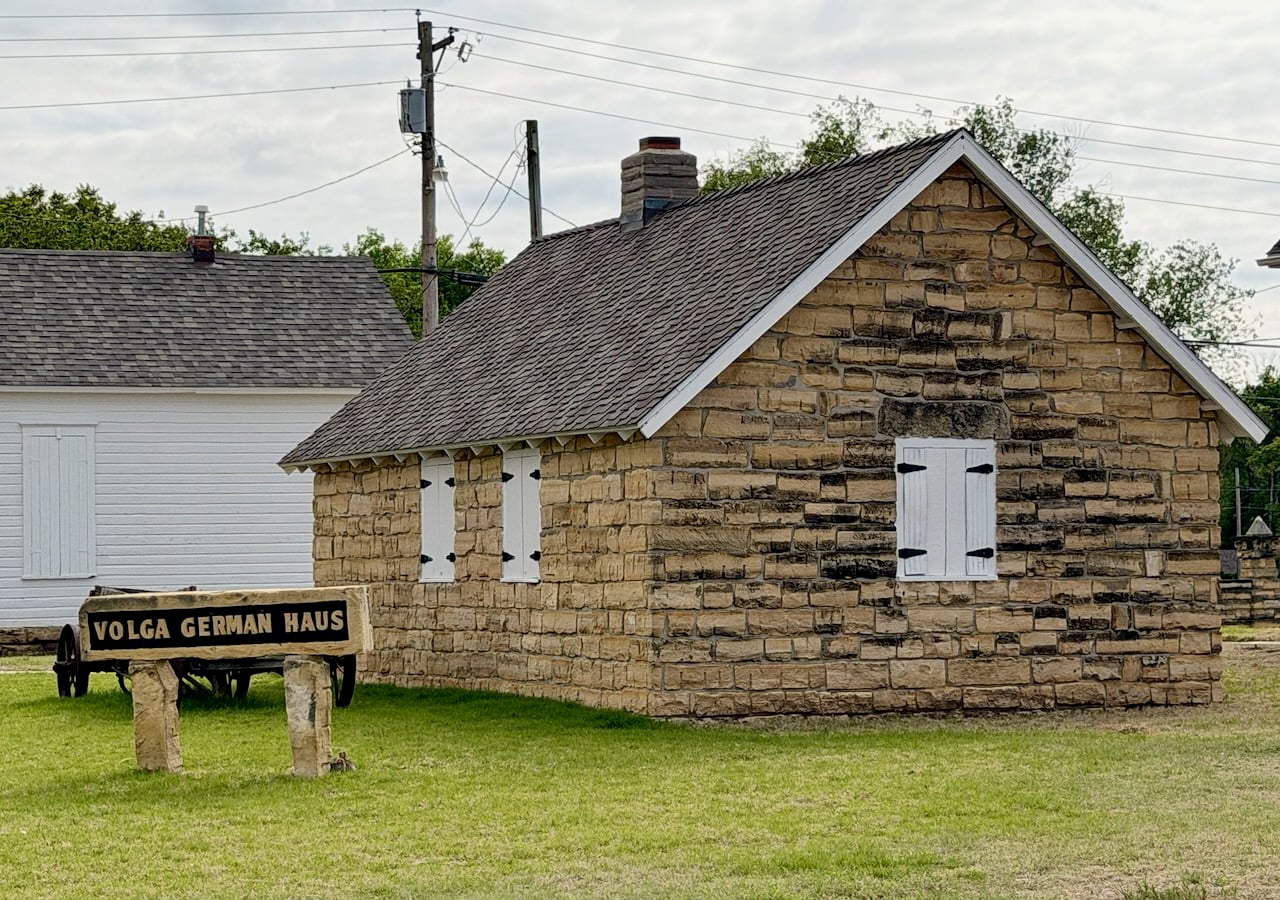
In Hays, you’ll hear a German dialect or accented English among the older generation in local coffee shops. Their cultural presence is most visibly celebrated each fall during Oktoberfest, an annual two-day event hosted by the Volga German Centennial Society since 1972. This free festival occupies Municipal Park at 1st and Main Streets during Fort Hays State University’s homecoming, attracting thousands with traditional food, German music, stein-holding contests, and ceremonial keg tapping.
The 2026 Oktoberfest—the 54th annual and part of the broader Sesquicentennial marking 150 years since the community’s arrival in Kansas—is scheduled for October 2 and 3, 2026. This is one of western Kansas’s largest annual events; for current details, visit oktoberfesthays.com.
Sixteen parks and playgrounds are spread across the city. Golfers have two courses within easy reach of the Creekside Resort: the public Fort Hays Municipal Golf Course—an 18-hole course laid out on land that was once part of the original fort, with bluegrass fairways and bentgrass greens—and the private Smoky Hill Country Club, an 18-hole membership course adjacent to the resort at 3303 Hall St.
Why a Two-Day Visit is Ideal
The combination of the Sternberg Museum, the 27-stop downtown walking tour with its bronze plaques, Pete Felten’s 28 limestone sculptures, 12 large murals, and Historic Fort Hays creates far more to experience than a single day allows.
An overnight stay gives you ample time at the museum, plus time to explore downtown, the sculptures, Fort Hays, and the local food scene. If you time your visit for late September or early October, the annual Oktoberfest adds a third compelling reason to linger.
Where to Stay: Creekside Resort
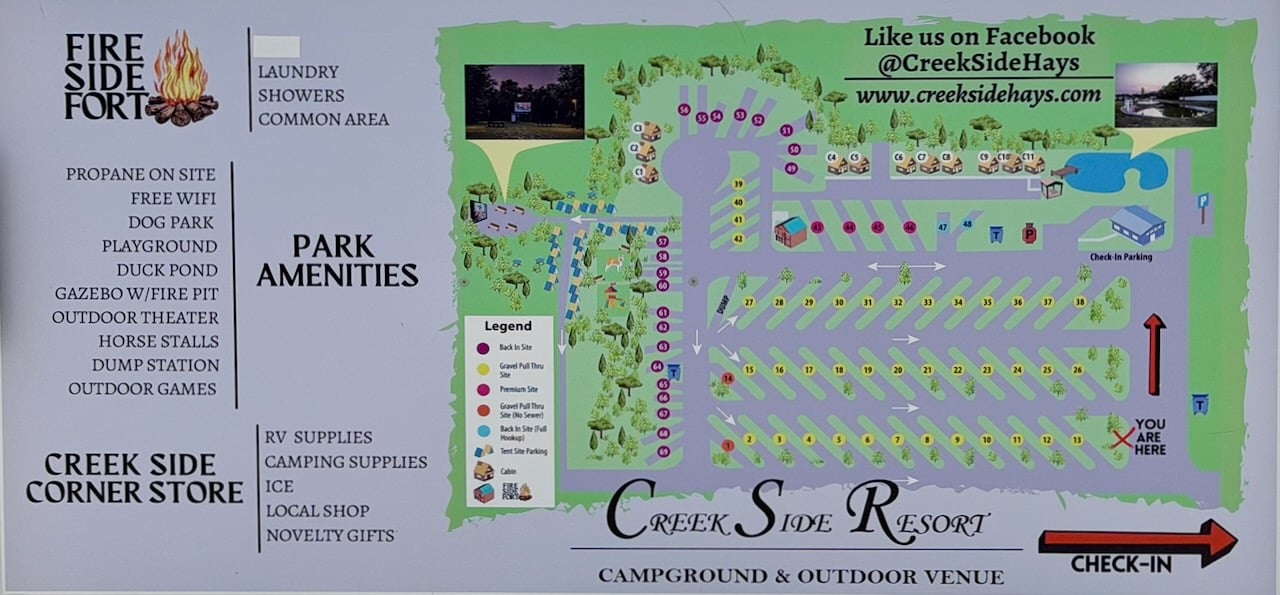
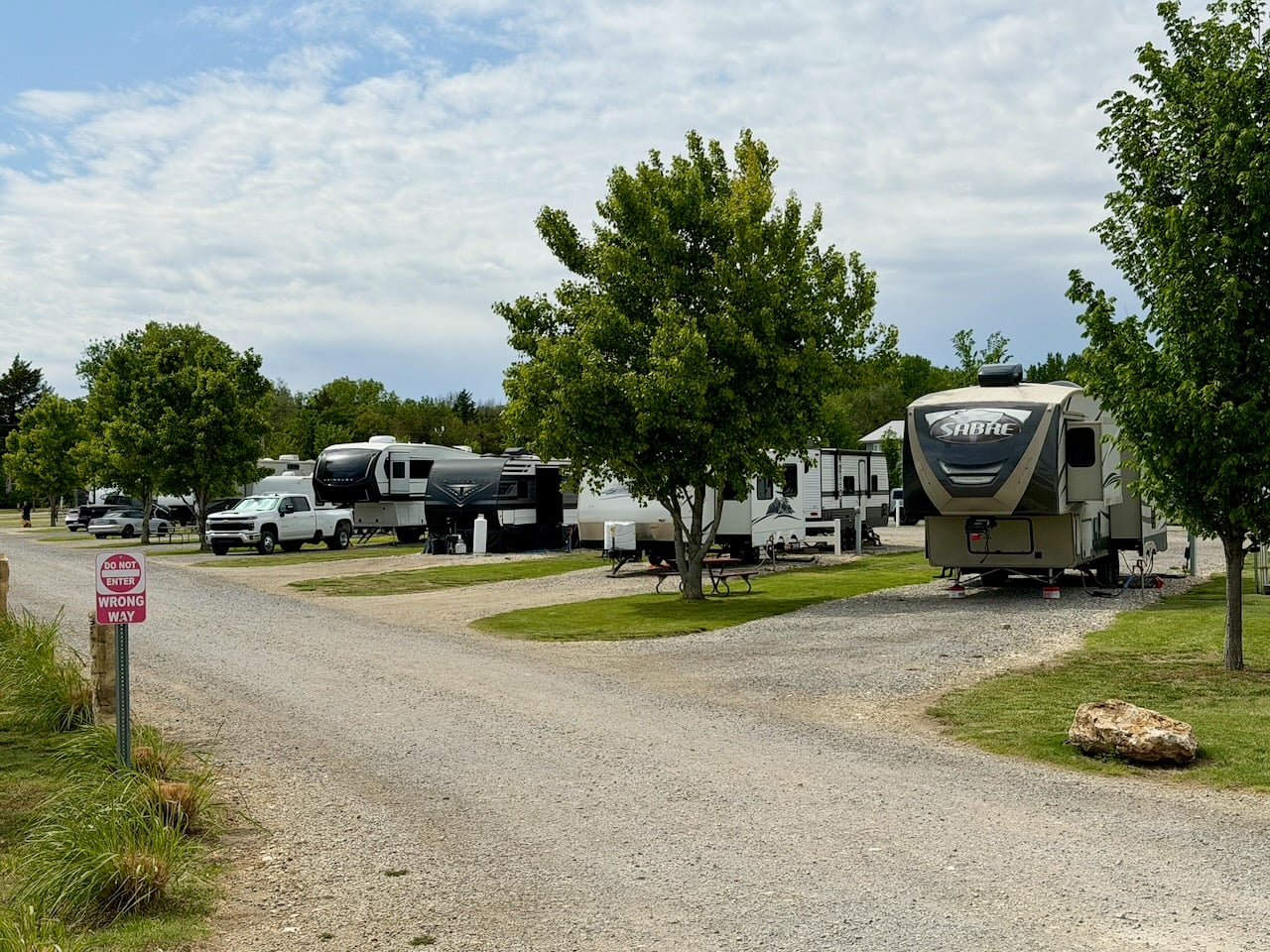
For RV travelers, the Creekside Resort sits close to Interstate 70, approximately 2.6 miles and a seven-minute drive from downtown Hays. The resort is newly built and offers 69 concrete or gravel-level RV sites, along with small cabins. Full hookups, onsite laundry, a dog park, a duck pond, propane fill, and a dump station cover the practical needs. A gazebo with a fire pit, outdoor games, horse stalls, and a walk-in theatre cover the rest.
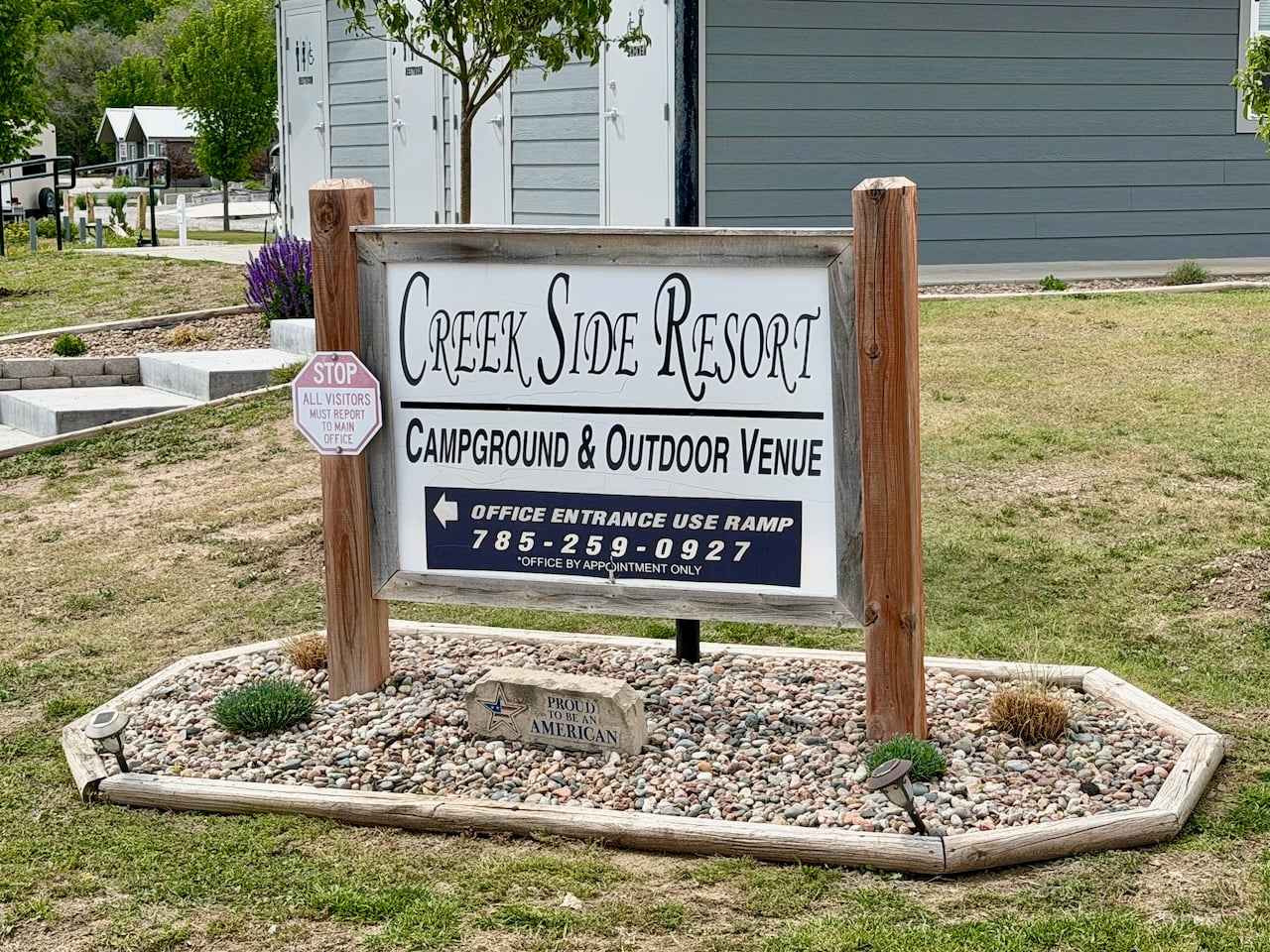
We stayed on a premium site, a concrete slab right next to the bathhouse/laundry/vending area. Sites were absolutely level with full hookups for RVers. The Smoky Hill Country Club sits adjacent to the Creekside. The public Fort Hays Municipal Golf Course is less than a mile away.
The Creekside is the kind of setup that makes staying an extra night feel like the obvious choice rather than an indulgence.
When To Go
The fish-within-a-fish has waited 80 million years. It’ll still be there when you visit.
The Sternberg Museum alone justifies the stop at Hays—it ranks among the most robust natural history museums along the American coastlines, built on a family legacy spanning four generations and a fossil record that stretches back to a sea most people never knew existed here.
Combined with the downtown walking tour, limestone carvings, murals, Historic Fort Hays, a strong local restaurant scene, and an Oktoberfest that draws thousands every fall, a visit to Hays easily fills two full days.
You can get more information to plan your visit at visithays.com. If you want to drive the Gunsmoke Trail loop, put Hays in the middle of the route and build in more time than you think you need. The city keeps offering more than a single pass reveals.
Acknowledgments
The authors thank Janet Kuhn of the Hays Convention & Visitors Bureau for her guidance and support throughout their research and visit to Hays.
This is a companion discussion topic for the original entry at https://leisurevans.com/blog/ancient-seas-wild-west-streets-hays-kansas-runs-deeper-than-you-think/